The Creative Currency STORYTELLING LAB
A cultural archive project capturing the lived reality of Melbourne’s creative HIGH ACHIEVERS.
Intimate, filmed conversations - peer to peer format - between inspiring creative forces in Melbourne.
The project documents the ideas, sacrifices, DNA, family inter generational patterns that have shaped the city’s cultural landscape.
Each episode moves beyond interview into process, collaboration - and how creative careers are sustained over time.
CURRENT STORYTELLING LABS AND MEDIA PRODUCTIONS
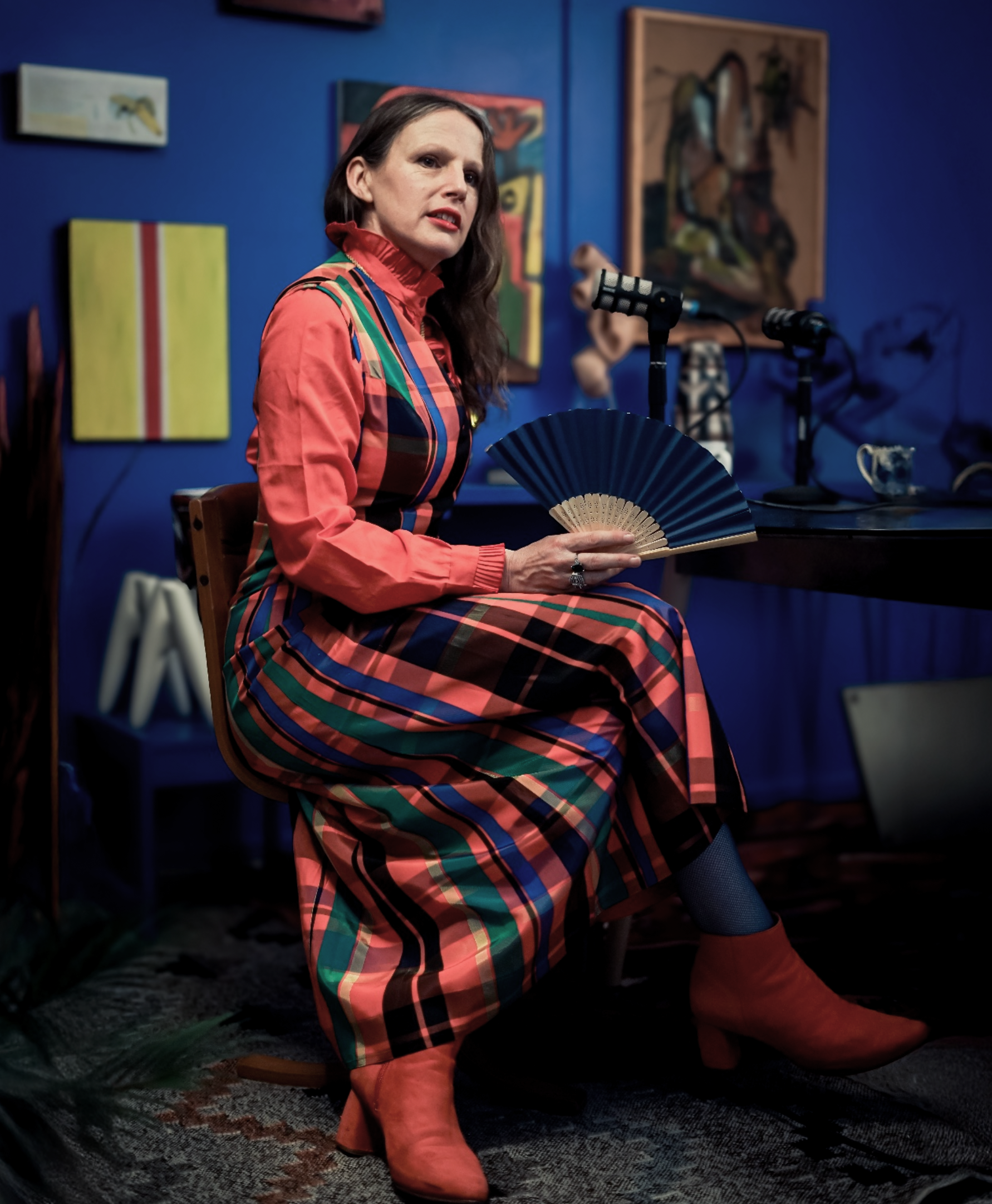
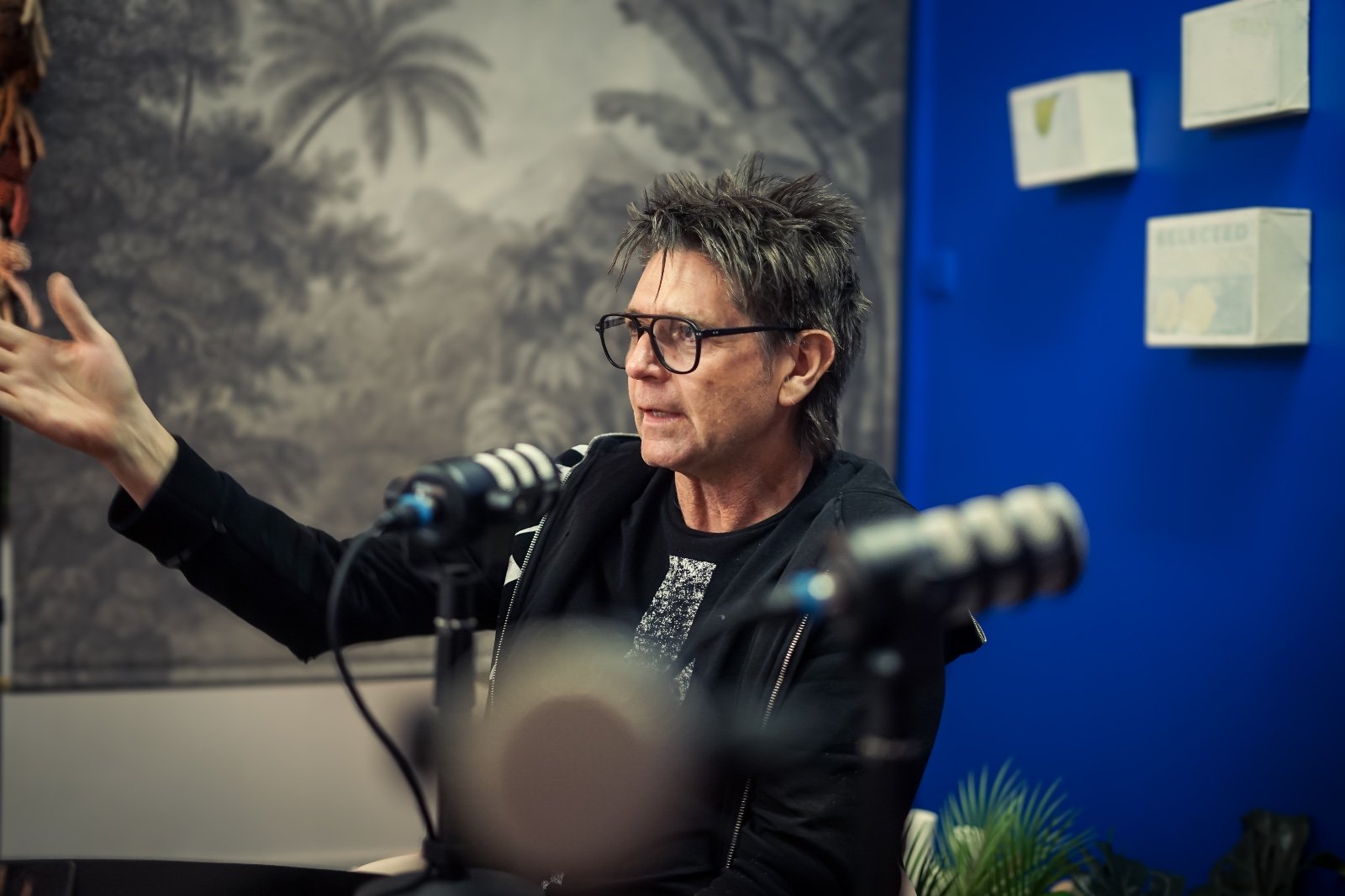
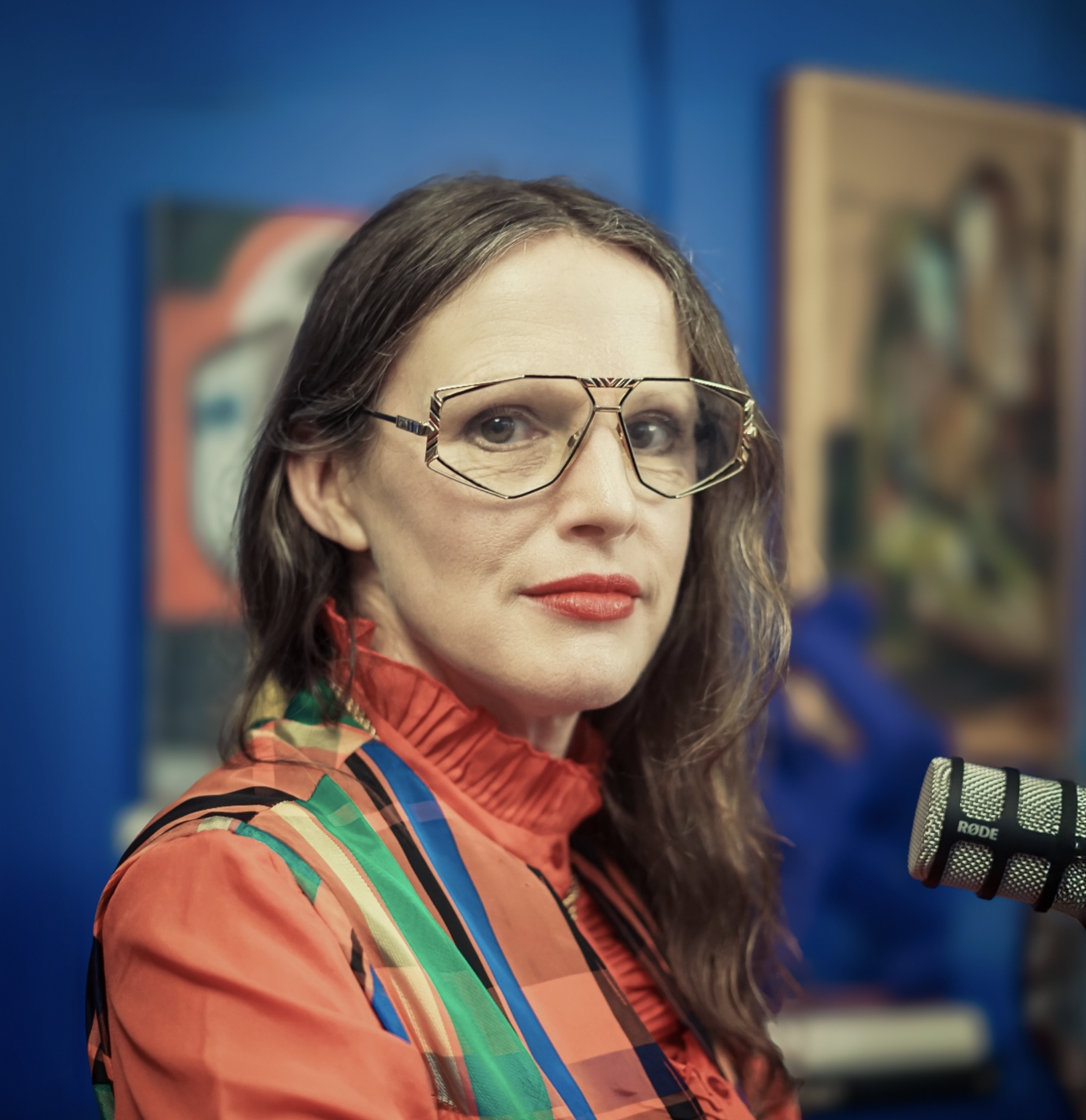
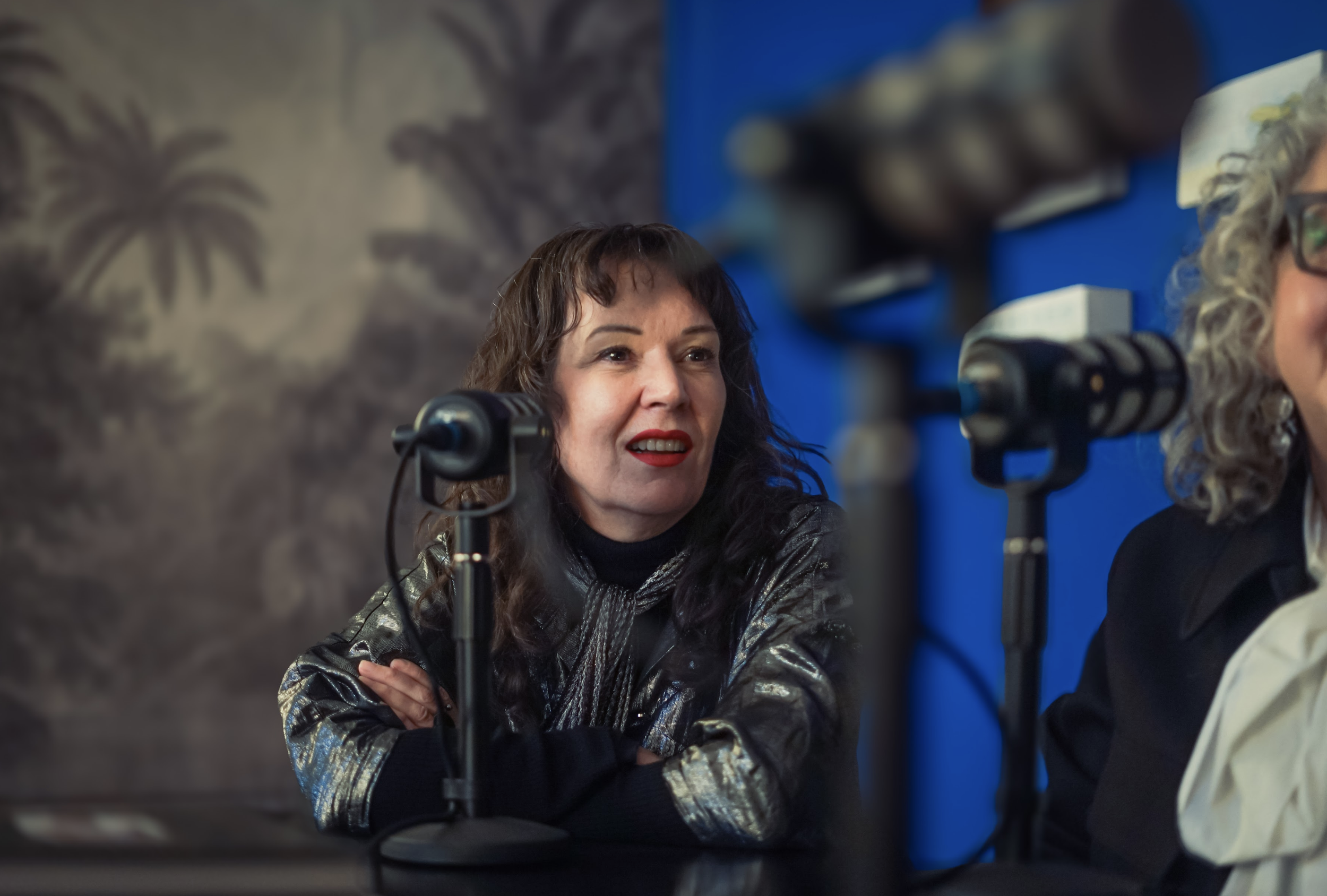
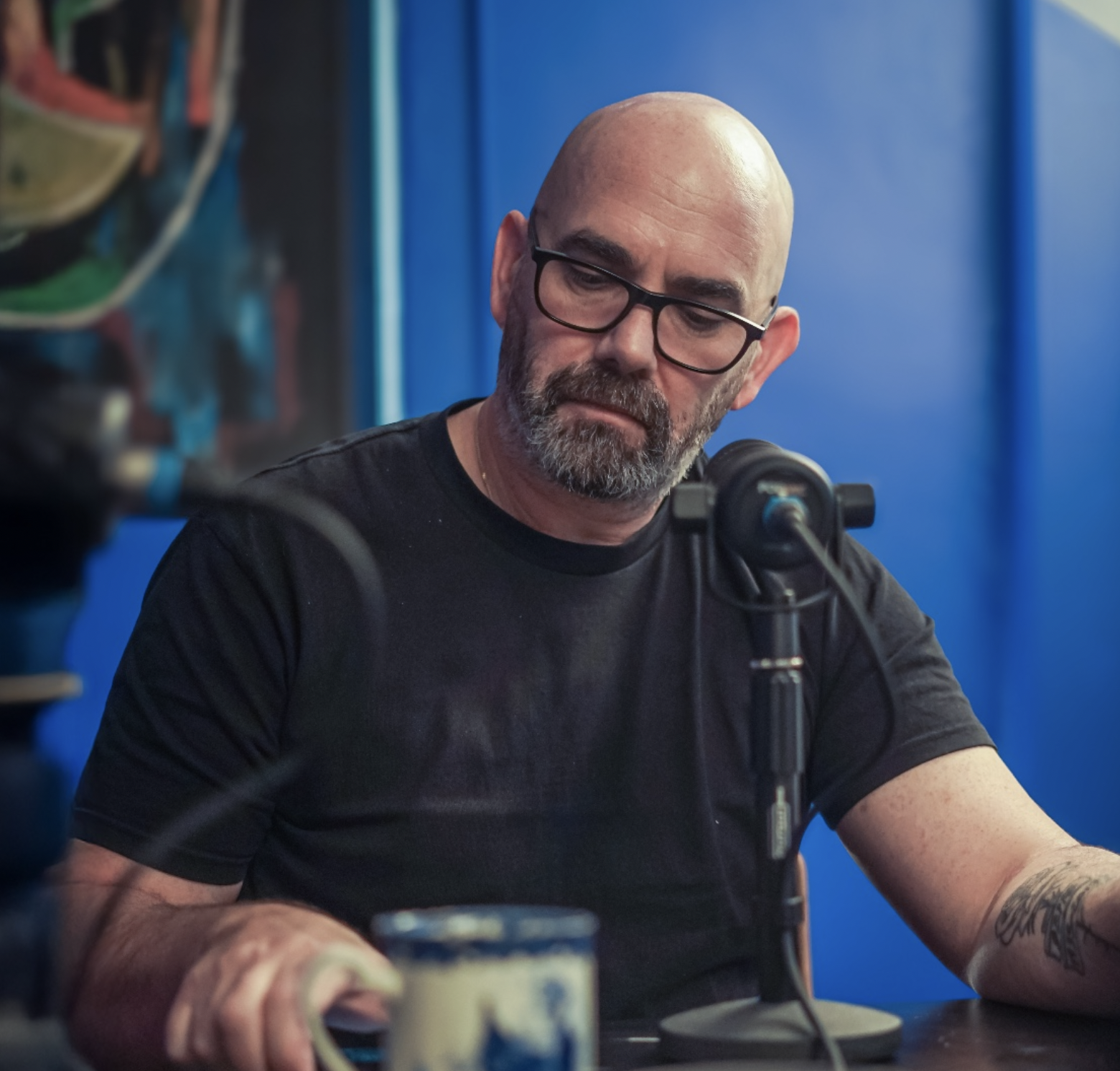
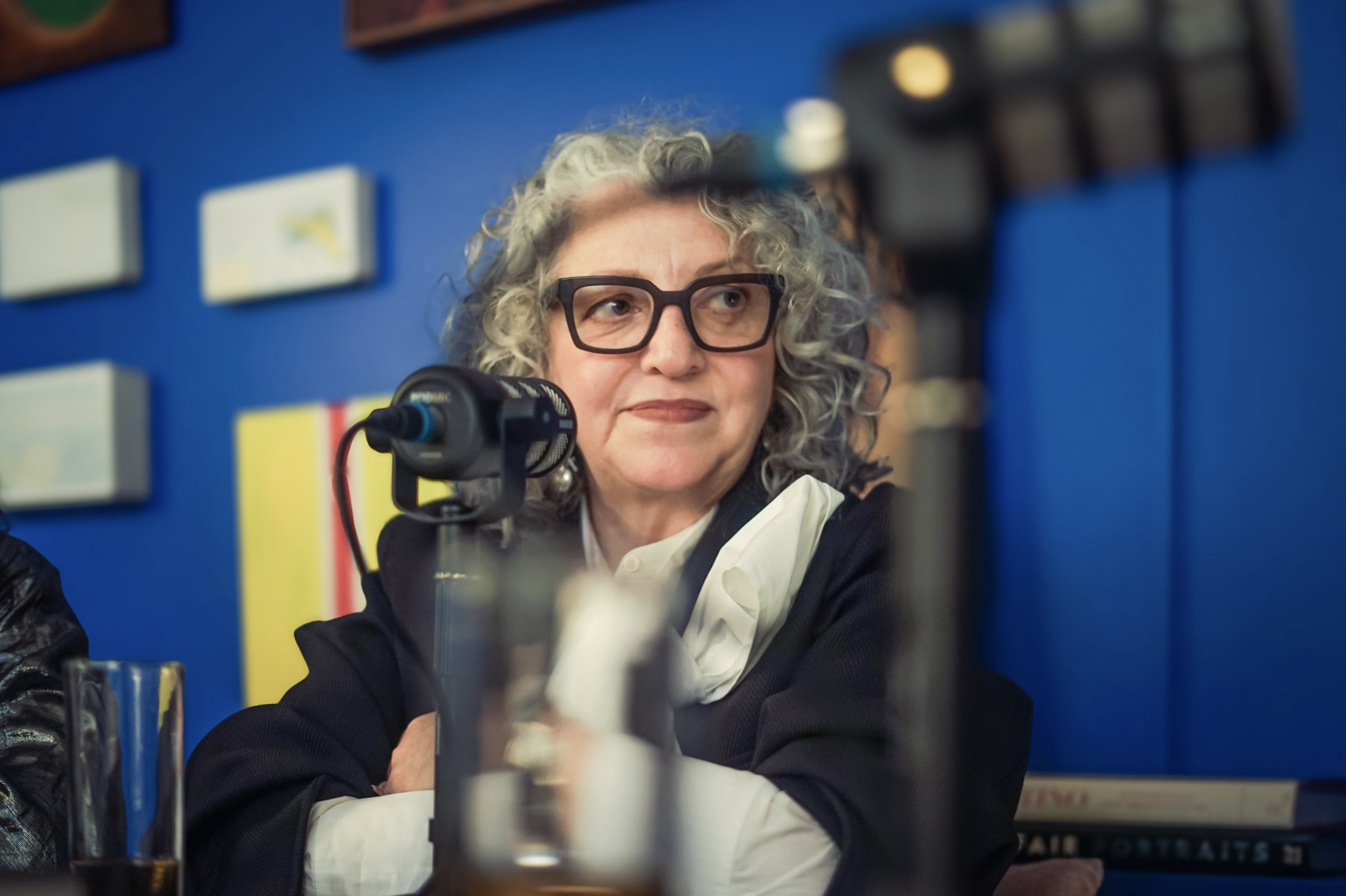
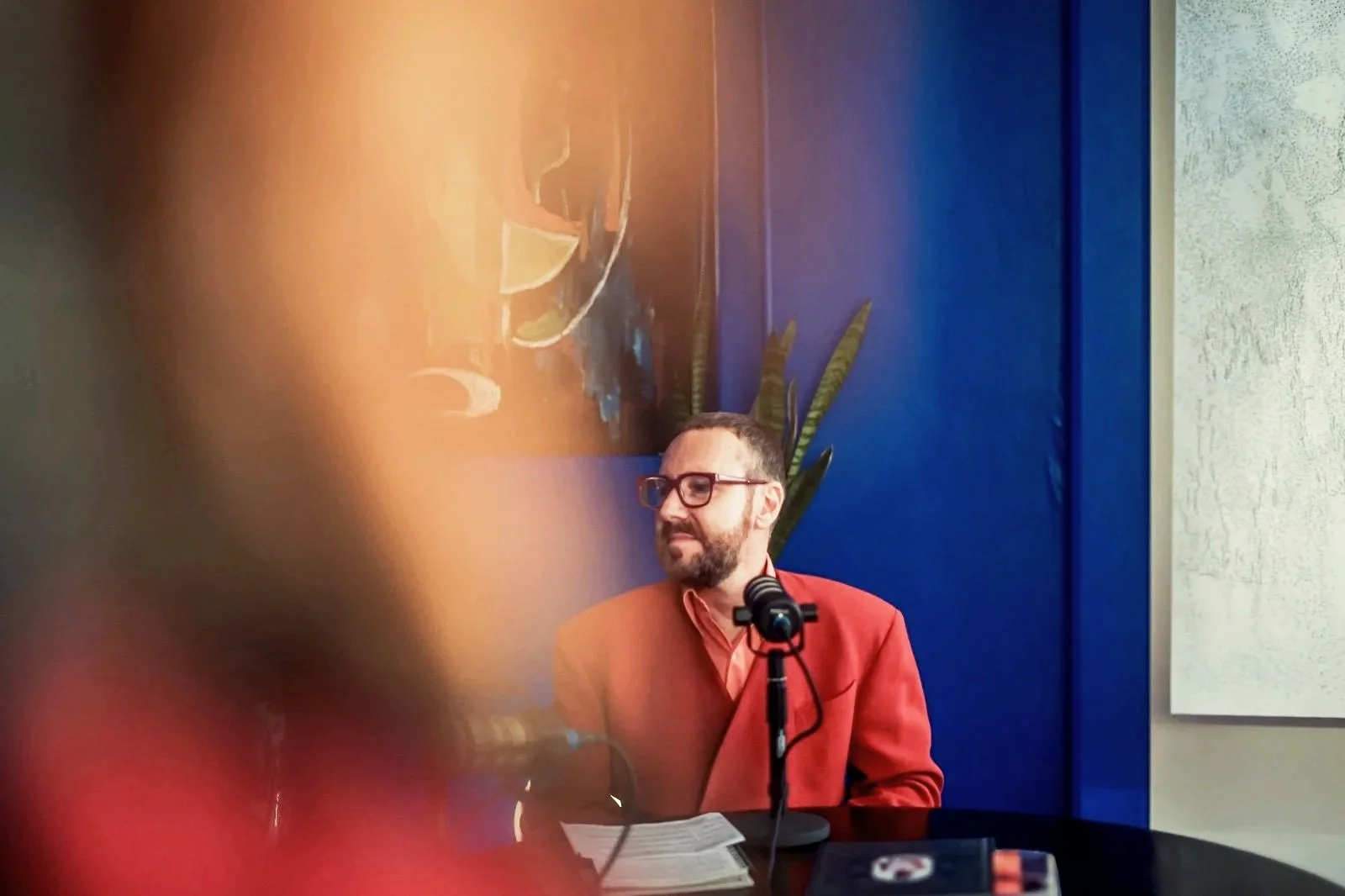
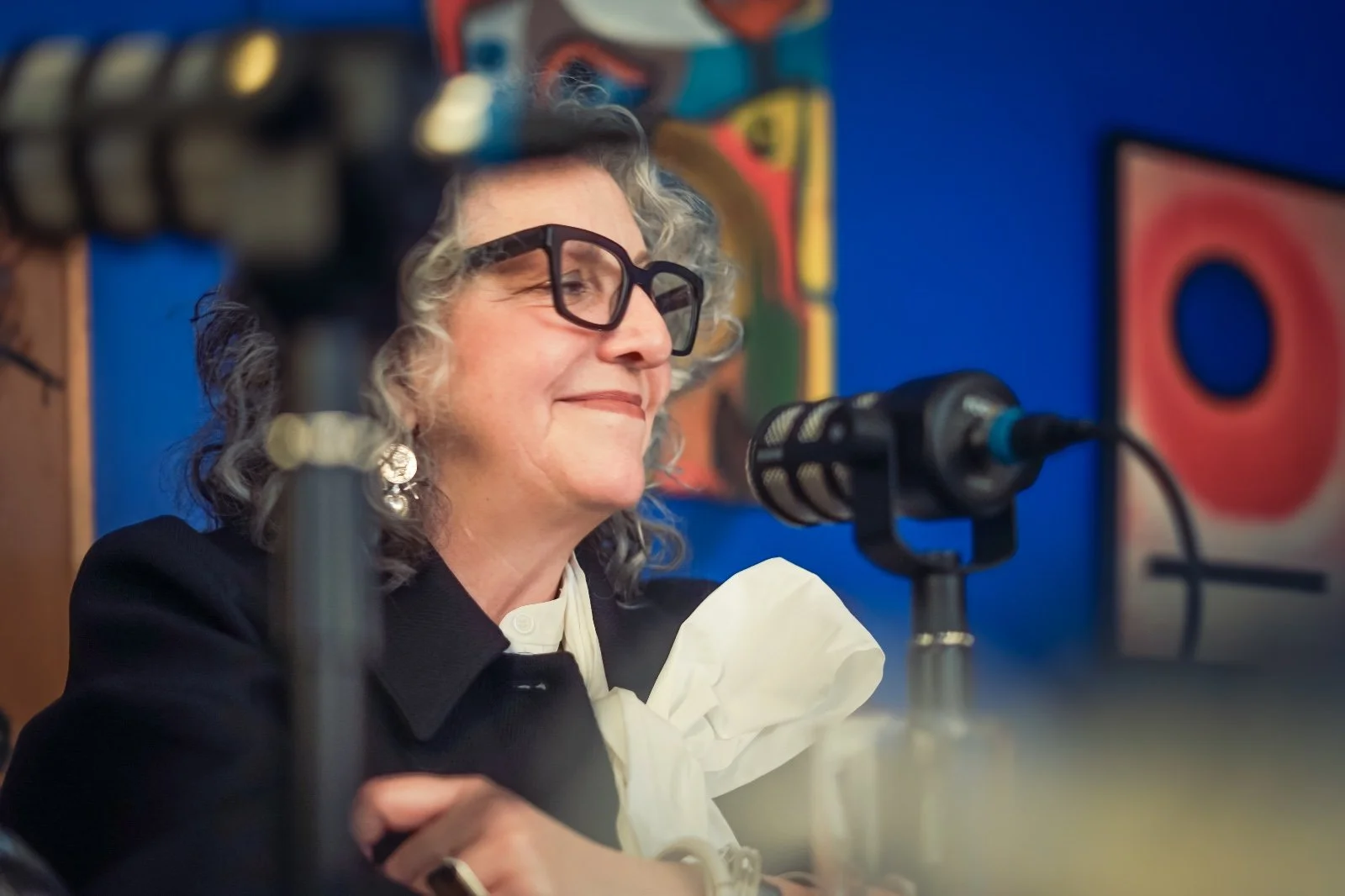
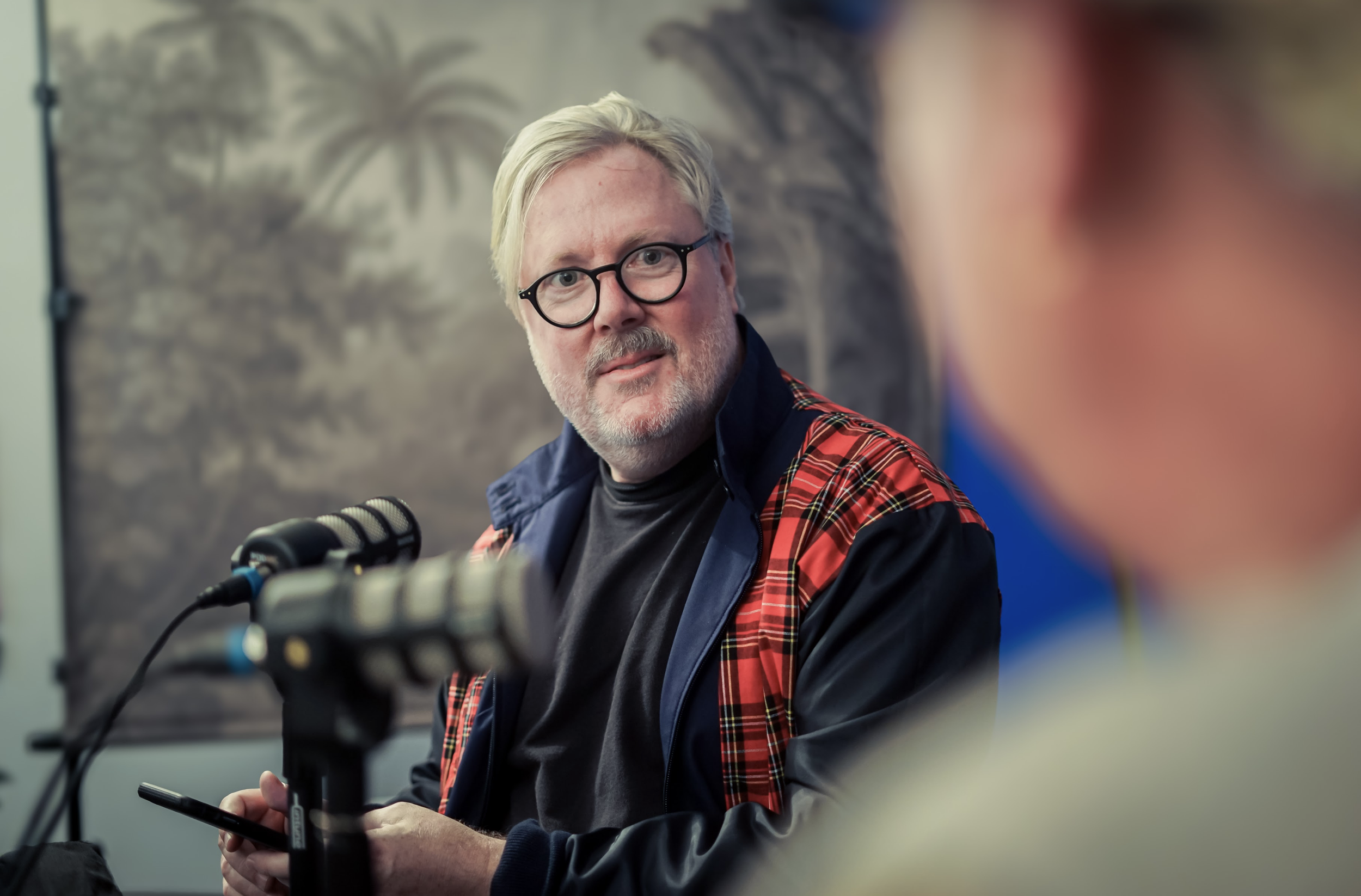
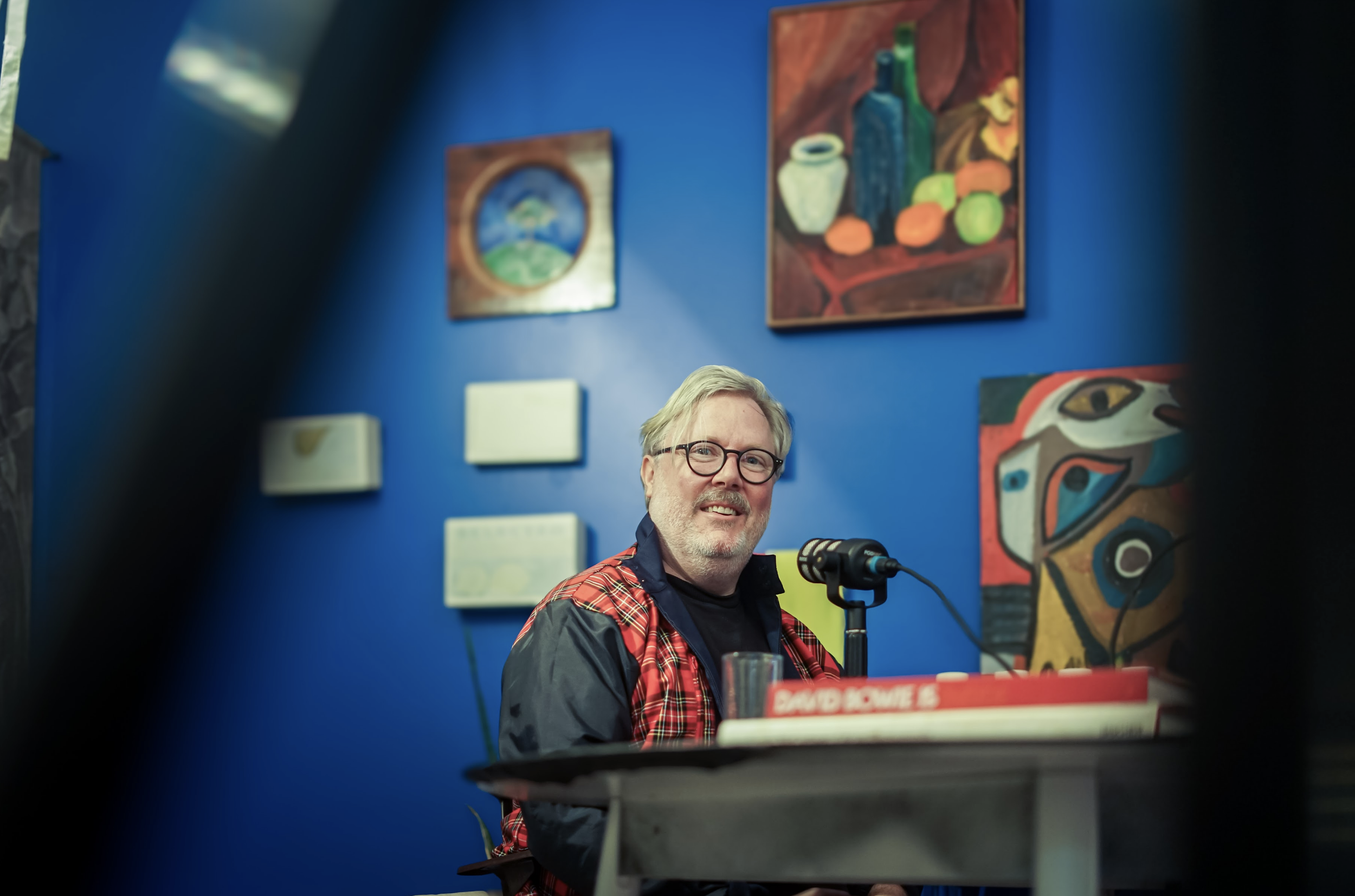
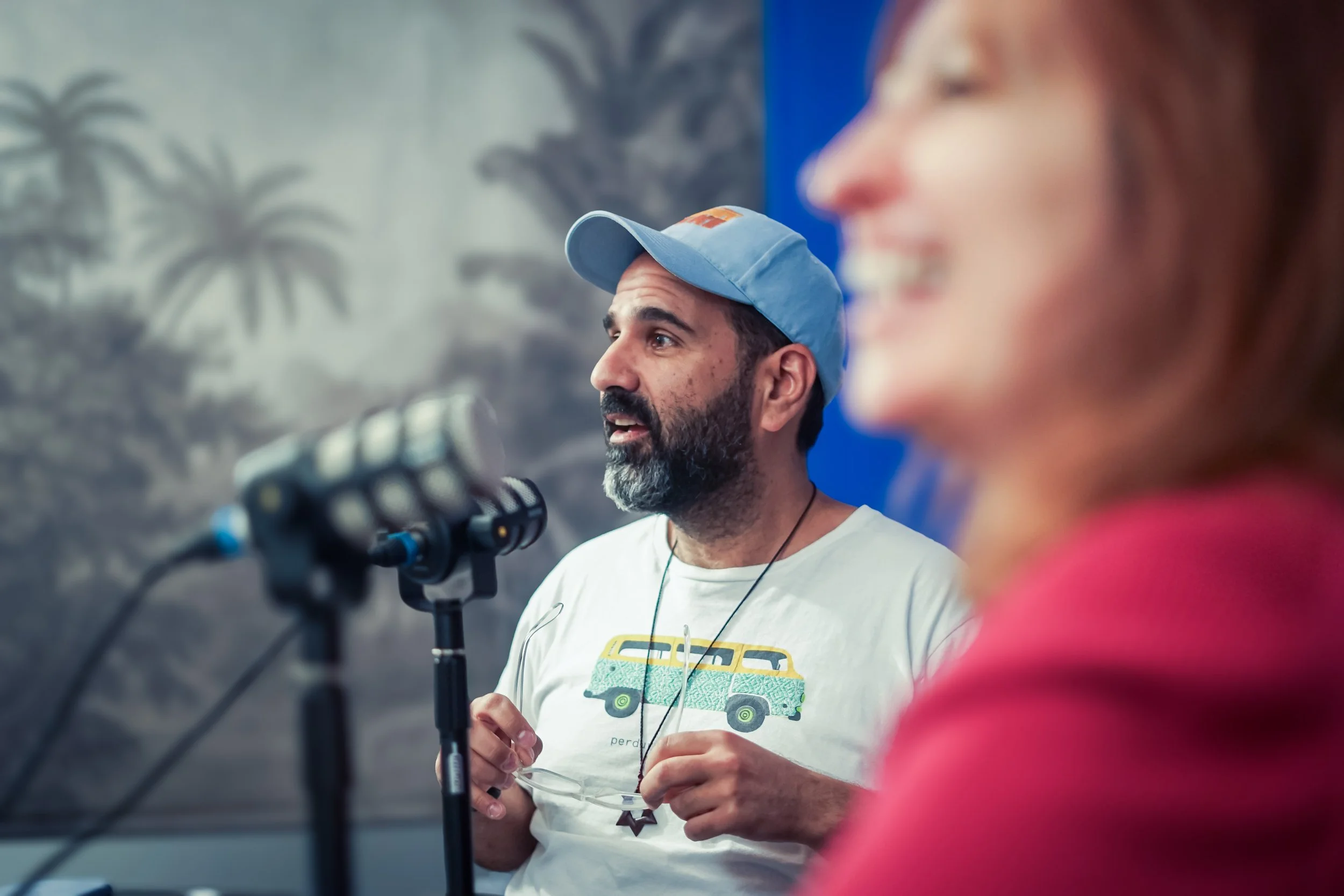
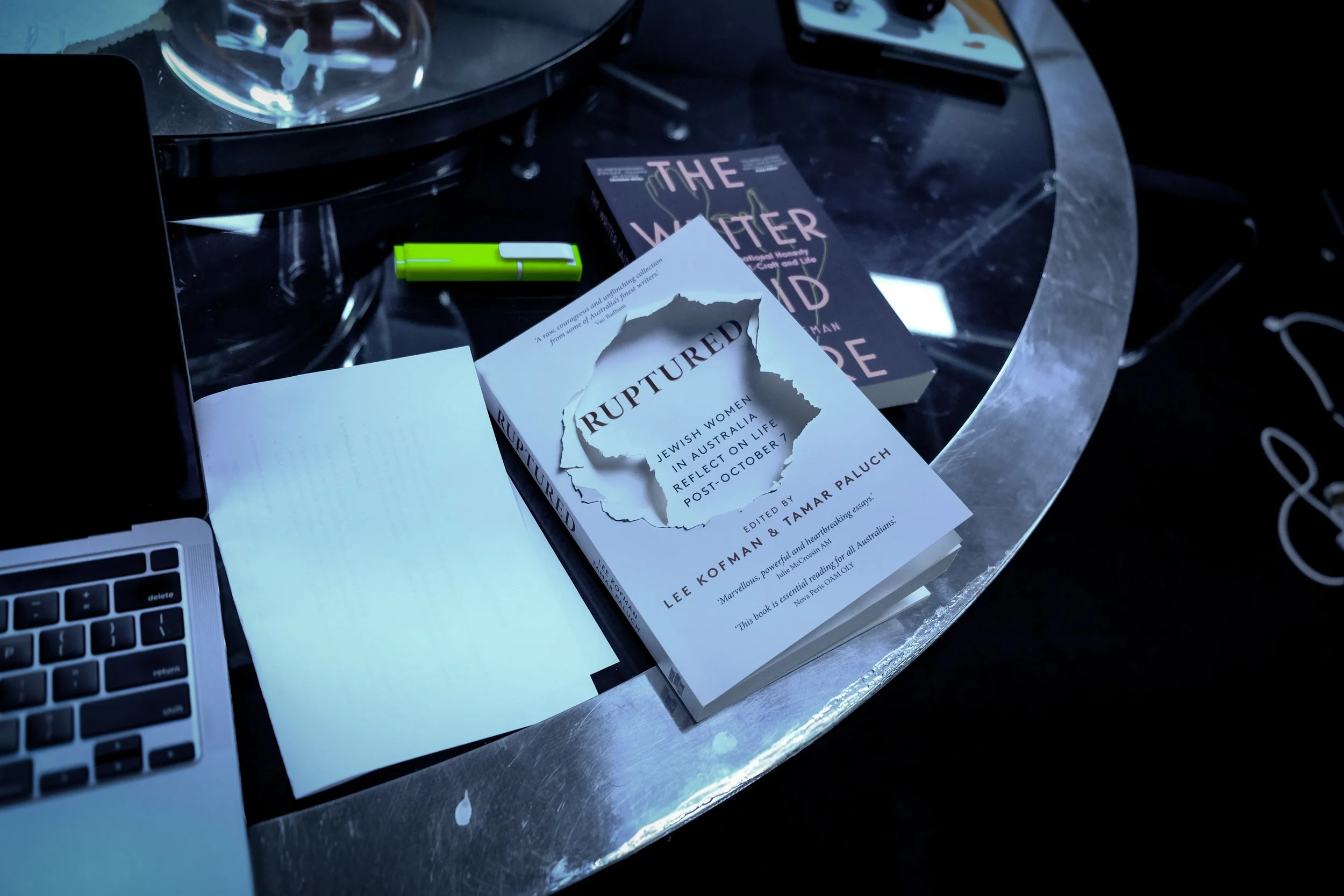
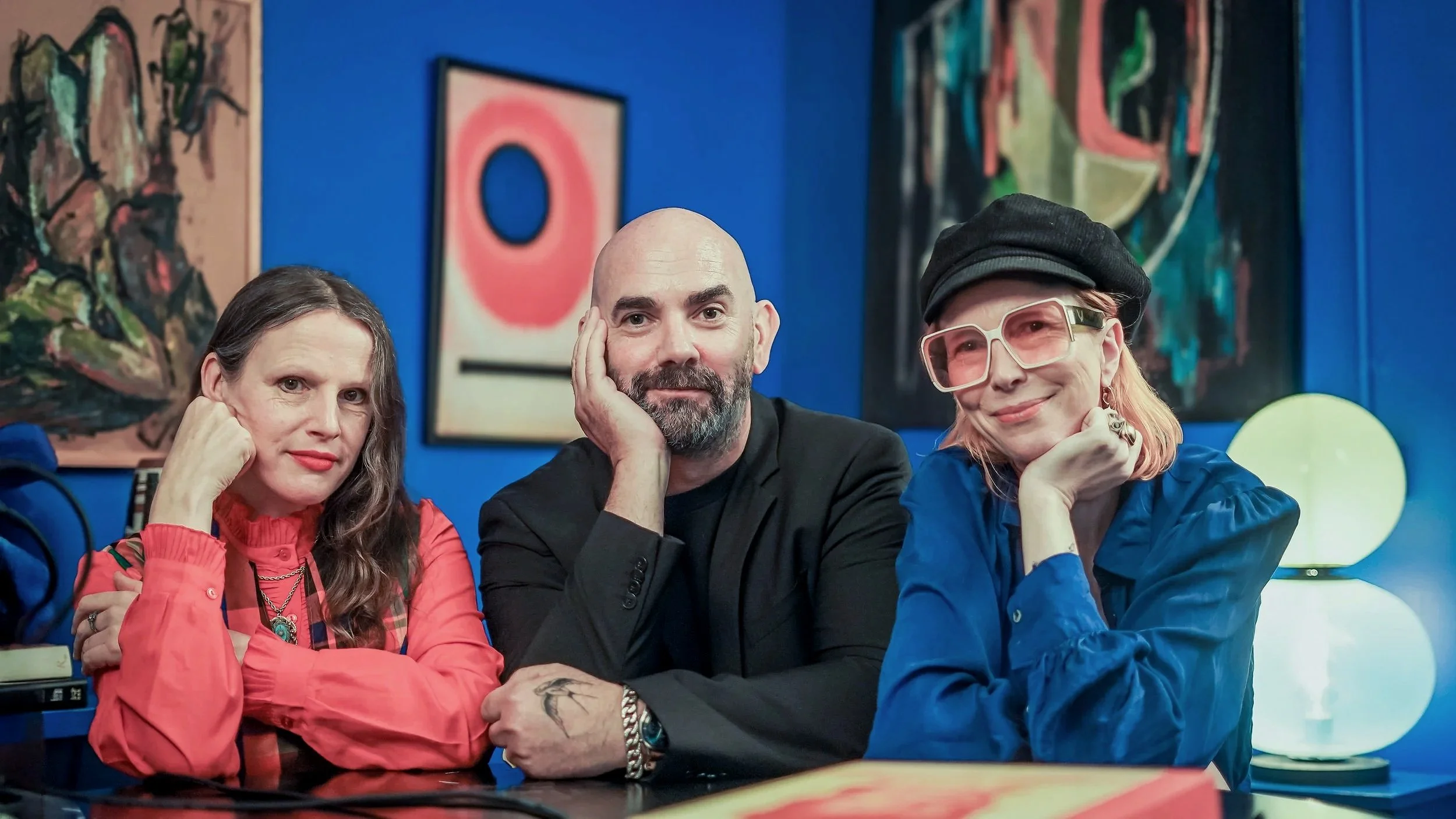
DR. LEE KOFMAN & ADAM KRONGOLD - IN CONVERSATION
ON THE MORNING OF December 15 2025 THE WORLD WOKE UP TO NEWS OF UNIMAGINABLE SCALE AND tragedy. OUR TEAM HAD BEEN PLANNING TO FILM FOUR LEADING CREATIVES IN CONVERSATION DISCUSSING THE USUAL:
ART, CULTURE AND THEIR CREATIVE PROCESS. BUT WE HAD TO PIVOT. THE TRAUMATIC REALITY OF THE BONDI DEATH TOLL RISING EVERY HOUR.
DR.Lee Kofman and Adam Krongold move beyond personal narrative into something unexpected:
BEYOND UNIMAGINABLE GRIEF - WE WITNESS A conversation shaped by WARMTH, REFLECTION and THE POWER OF silver liningS.
Yesterday in Sydney there was mass murder and people were killed. Jews were killed just for being Jewish on a day, on the first day of Chanukkah, which is a holiday celebrating Jews being able to be Jewish in their indigenous homeland, Israel.
So it's quite ironic, and maybe I still haven't found any silver lining in this at this point, with regard to that, because I'm still processing and still aligning, there has to be - there has to be. There will be, and there is - and that's the way I take it. I'm not imposing on anyone or anything, but it's for me. This is where I find resilience, in finding the thing, in anything, to take me to the next point and to move forward.
And being around so many creatives, I've met so many people that I wouldn't ordinarily have met. I get to engage with yourself for example.
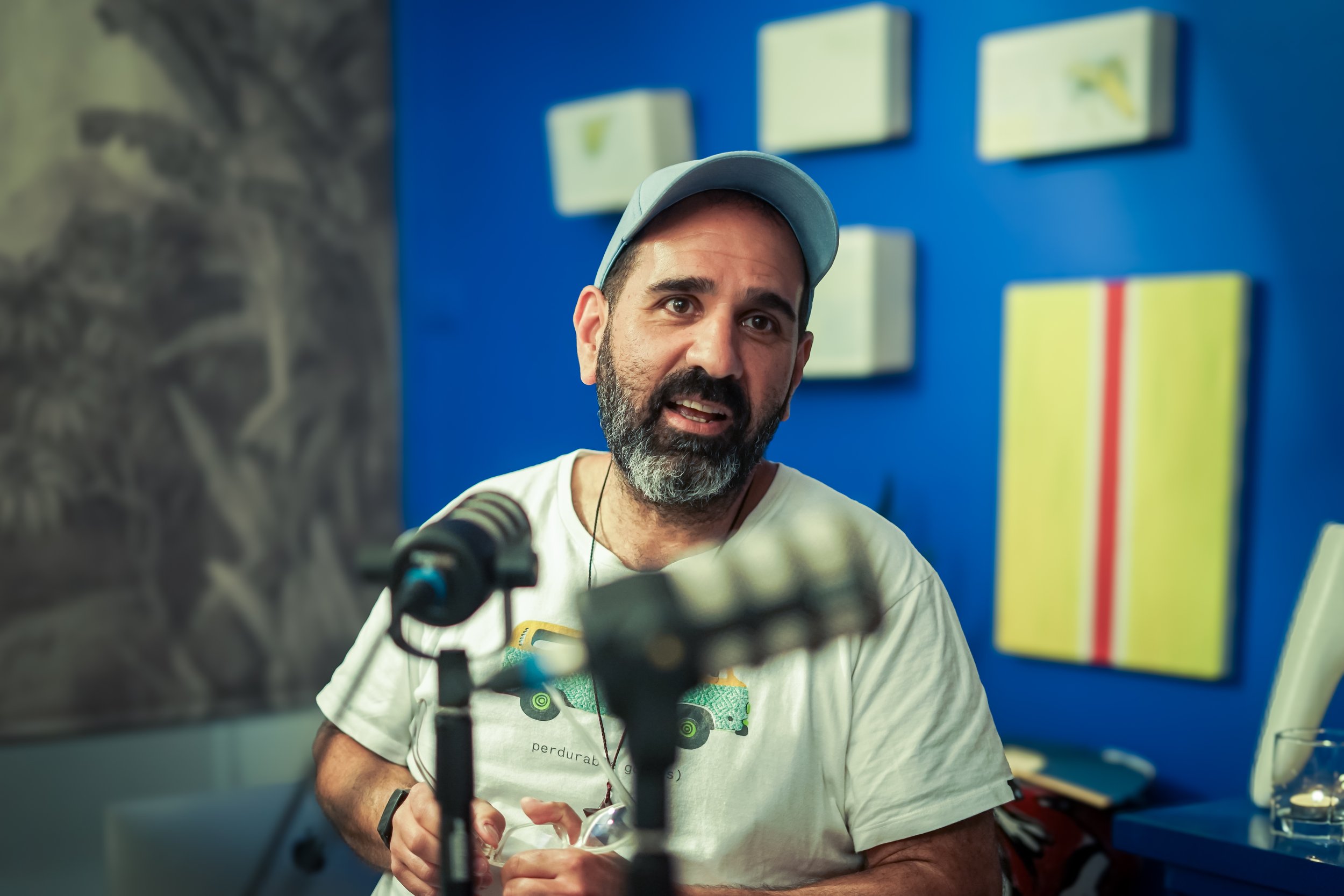
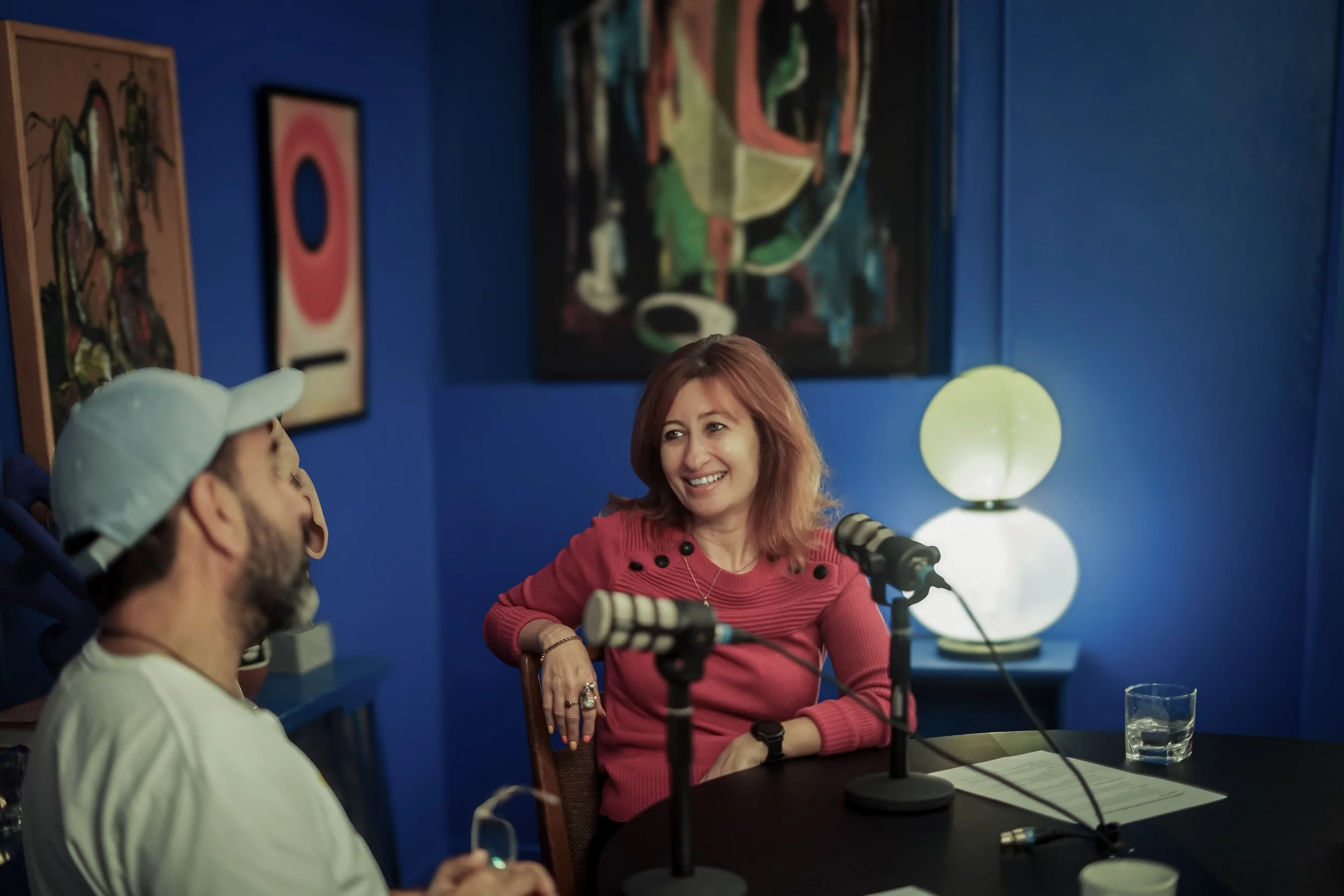
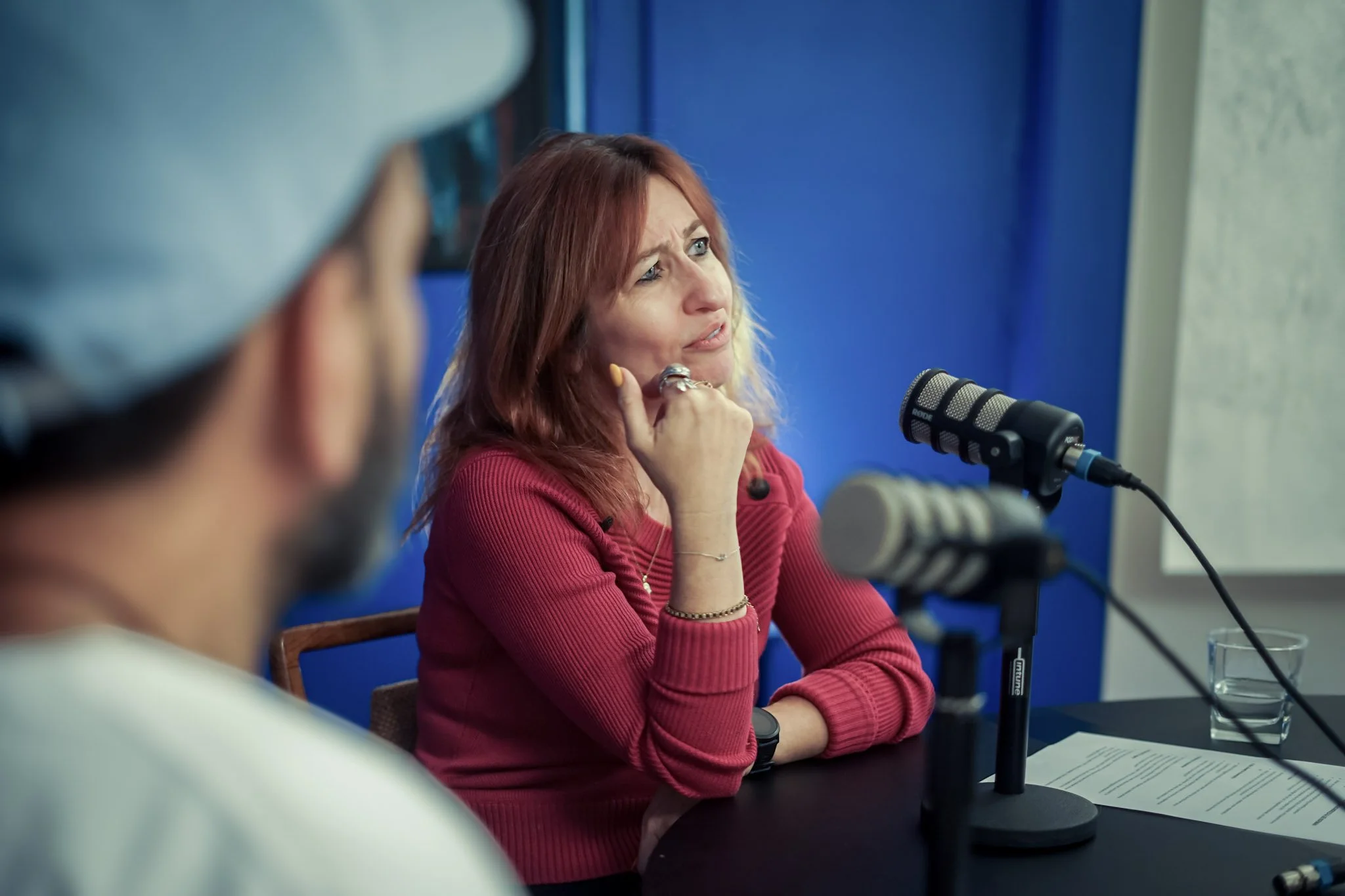
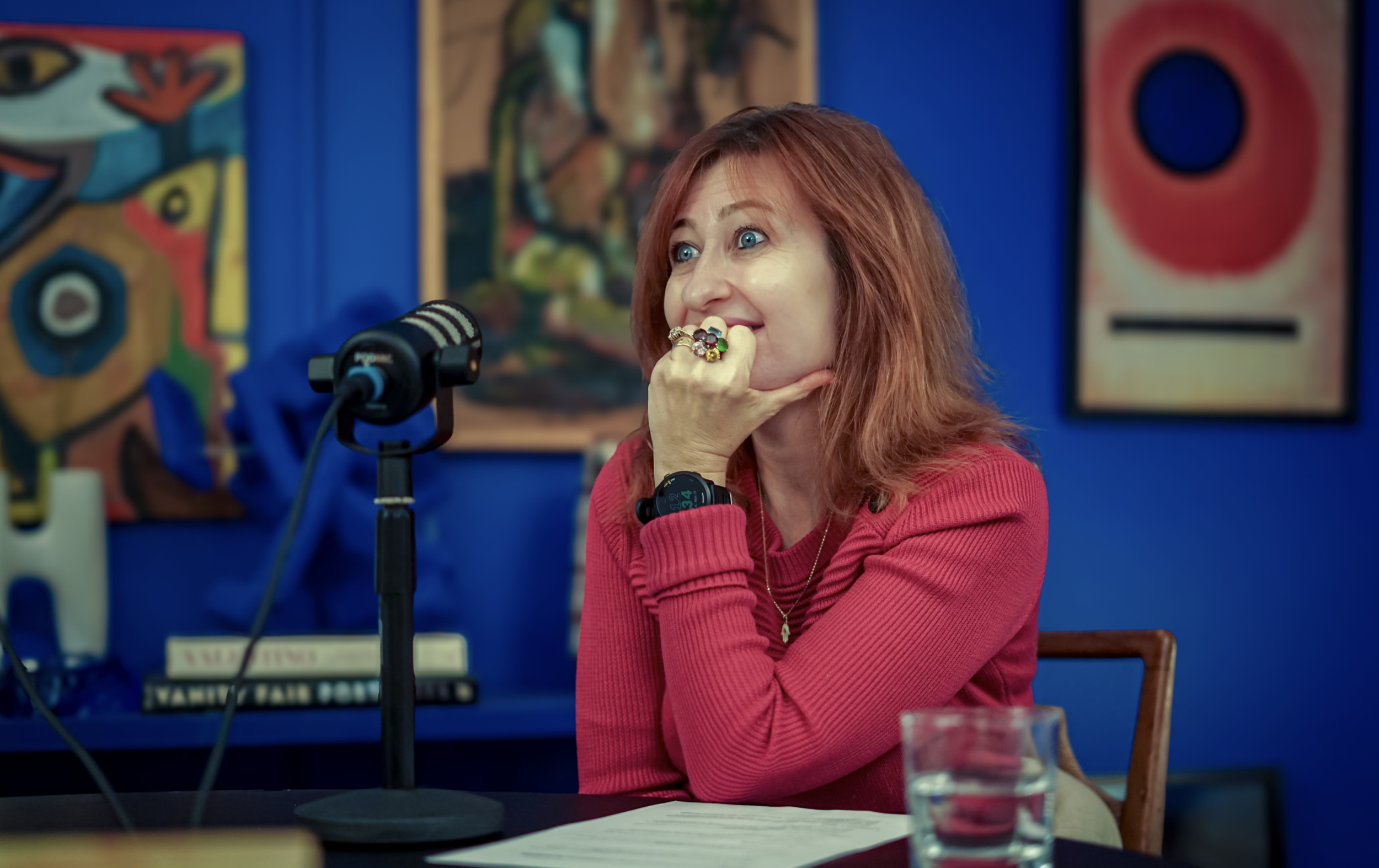
The conversation shifts now to Krongold interviewing Dr. Lee Kofman.
Kofman reflects on a paradox shaping shaping her creative vision and process. Constraint has the potential to sharpen one’s artistic voice.
Drawing on her experience growing up under Soviet censorship, Kofman observes that periods of restriction often give rise to independent, underground forms of expression work that is urgent, self-determined, and resistant to institutional gatekeeping.
I’ve been working on a story about my life for a long time, but only since October 7 have I found the framework - the structure for how to tell it.
It’s really a story of growing up—with parents who were dissidents in the Soviet Union, religious Jewish dissidents.
I’m not religious at all, but I come from a very religious, ultra-Orthodox family. I always rebelled against my parents. I left religious school when I was fourteen.
And in everything I did in my work, in my private life, I made sure to say: I am not like my parents.
Then October 7 happened. I’d organised a WhatsApp group for Jewish creatives. We were doxxed. I was abused online. Some writing organisations wouldn’t employ me.
For more than fifteen years I was regularly employed.
And then suddenly I was the ‘bad Jew,’ the one organising other Jews.
I remember being at Goldstone Gallery, talking about artists who had been excluded, spaces for dissidents and thinking about that history.
And I had this moment -oh my God, I am like my parents.
At the moment, almost every Jewish artist who does not publicly deny their indigeneity is treated as a dissident.
And that gave me the structure.
Now I’m writing about the parallels between my parents experience and my own.
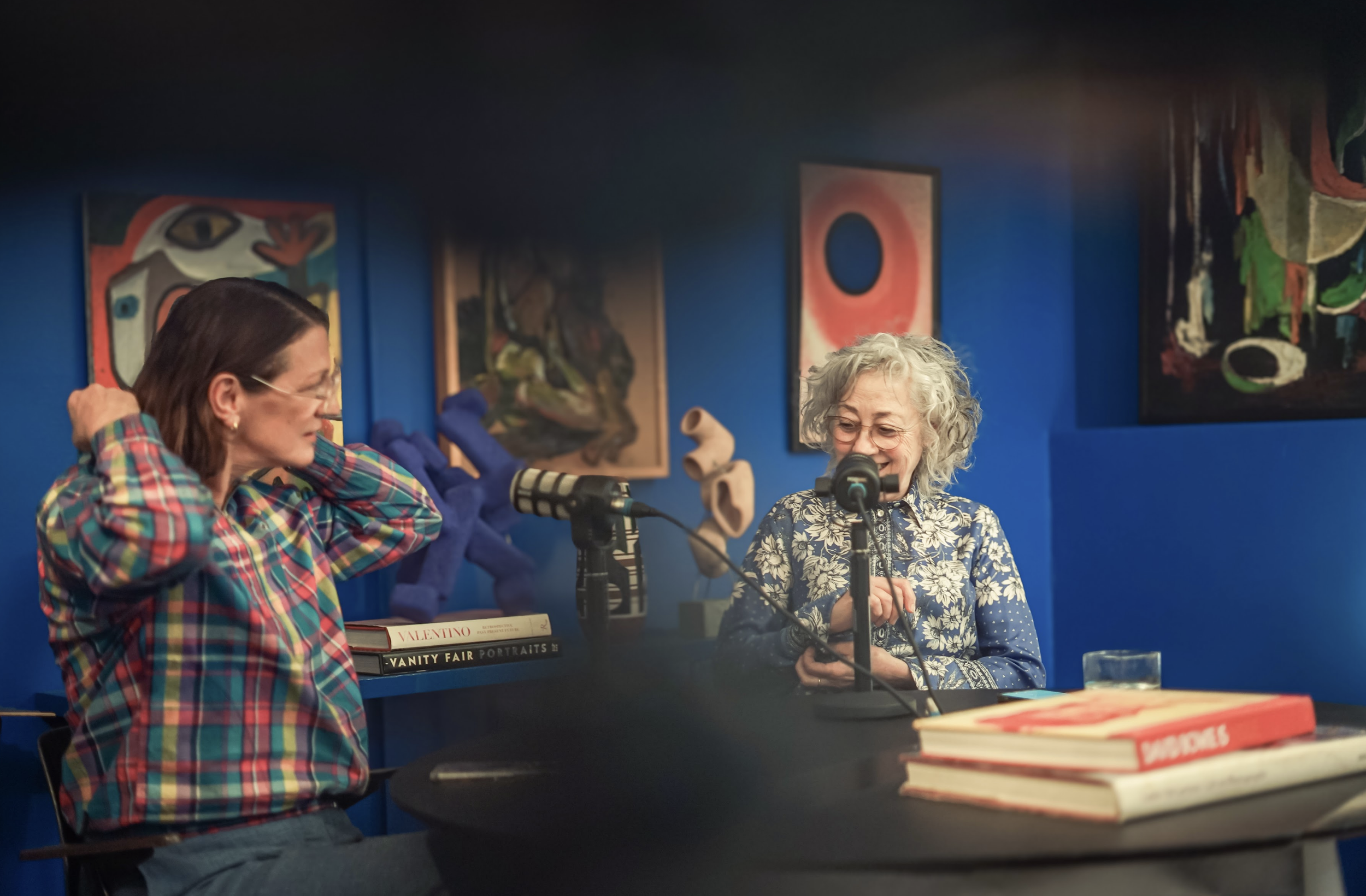
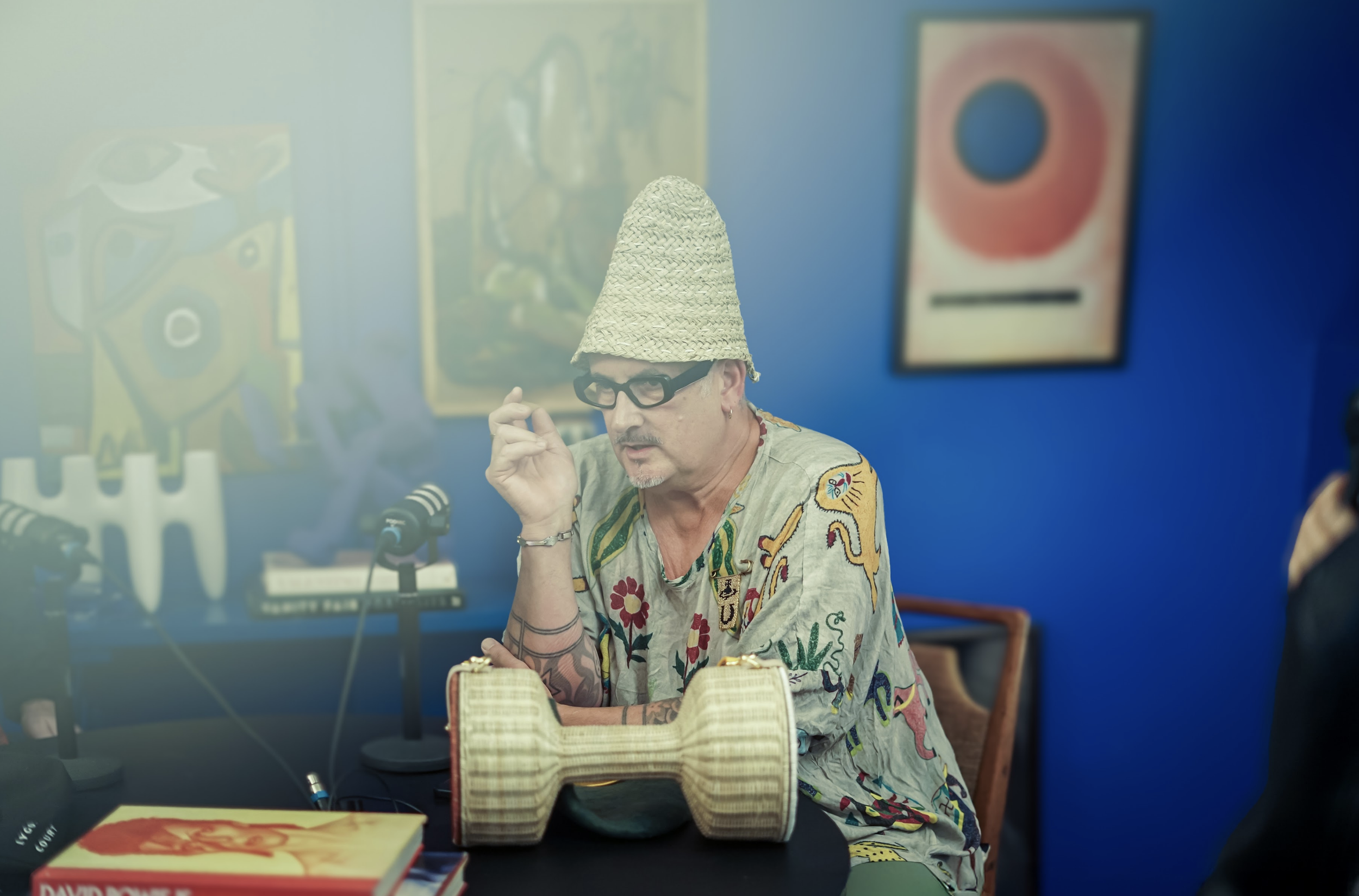
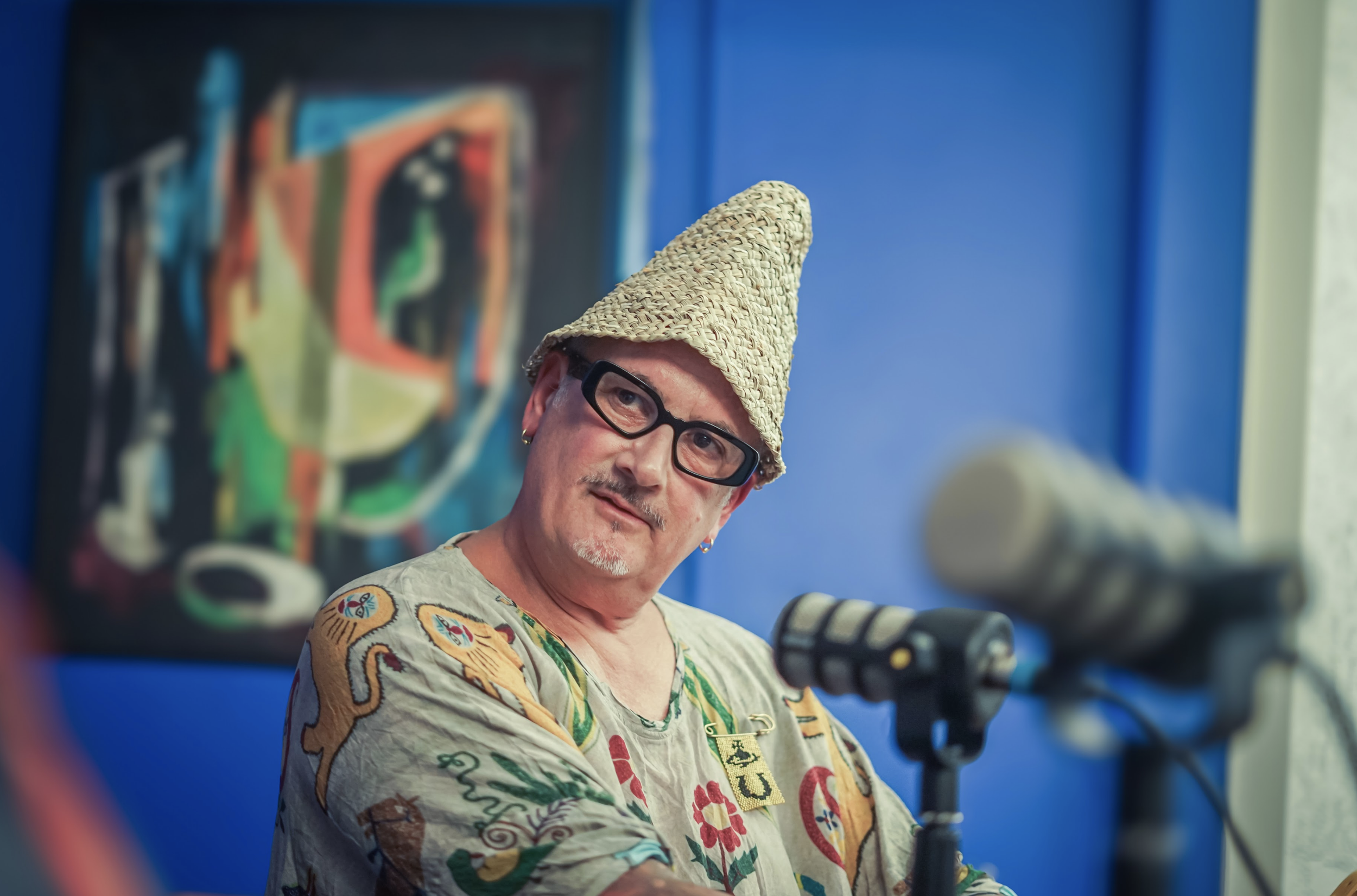
Burkin and Tovo IN CONVERSATION
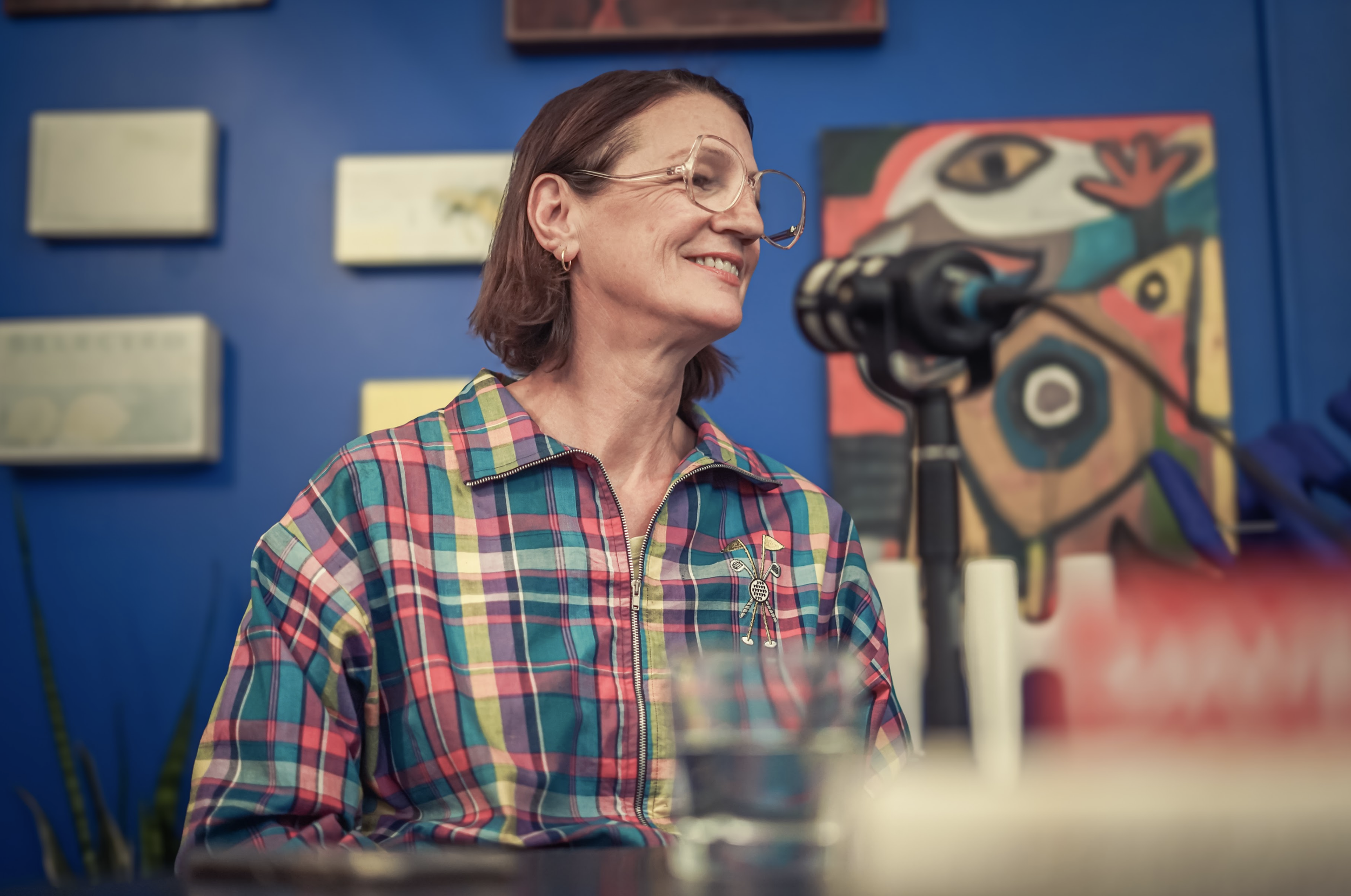
An unscripted first encounter between Gwendolynne Burkin and Christopher Tovo unfolds as a study in creative memory.
Moving through Australia’s cultural landscape of the 1990s Burkin and Tovo exchange stories shaped by lineage and discipline where reputation was earned, not performed.
What emerges is more than nostalgia.
It is a quiet reckoning with the present:
What happens to craft when visibility replaces substance - and what remains when the signal of social media begins to collapse?