THE GHOST OF EMERALD HILL
AUSTRALIAN–IRISH CO-PRODUCTION
IN DEVELOPMENT WITH
CLTV DUBLIN
IN CONSULTATION WITH HISTORIAN DR LIZ RUSHEN
BASED ON THE PUBLISHED WORKS OF
EDMUND FINN ESQ.
THE FINN FAMILY PAPERS
STATE LIBRARY VICTORIA ARCHIVAL COLLECTION
Synopsis
1841: Edmund Finn arrives in Melbourne as a 20-year-old political exile from Ireland, carrying the weight of Catholic oppression under British occupation. His wife, Annie Reidy, is a gifted young poet whose private collection of works will disappear.
The narrative shifts intermittently to an elderly Edmund in his study.
Isolated, lonely and blind, powerful visitations from the dead appear as messengers, driven to transform and guide poor old Edmund.
Melbourne is a town of mud, tents and misery, controlled by squatters, judges and violence. A gifted linguist and scholar of the classics Ancient Greek, Hebrew and Latin young Edmund is appointed at The Herald Newspaper. He travels out to the Indigenous peoples camps documenting the local Wurundjeri - learning language and culture.
But an unexpected phenomenon occurs: the Great Comet of 1843, bringing fear and direful harm. The experience forever changes young Edmund. The elders issue a warning: malevolent spirits have hurled the Great Burning Spear.
The Chief Elder speaks to Edmund in the native tongue:
“The Giant Spear heralds the imminent collapse of Natural Order.”
At The Port Phillip Herald, Edmund uses his gift for words as a weapon. Writing under a web of pseudonyms, he turns journalism into a campaign against corruption, exposing the Establishment and documenting the systematic oppression of the Wurundjeri, Irish Catholic and Jewish communities.
To the dispossessed, he is a champion. To the Establishment, he is a dangerous agitator, pursued through libel suits, fines and death threats.
But as Edmund's public influence grows, his private world begins to unravel.
A devastating personal tragedy breaks Annie's spirit. In a society that silences women, Annie is ultimately institutionalised. Edmund, who has spent his life challenging abuses of power, is forced to confront his own place within the structures he despises.
Grief will blur the boundaries between memory and reality.
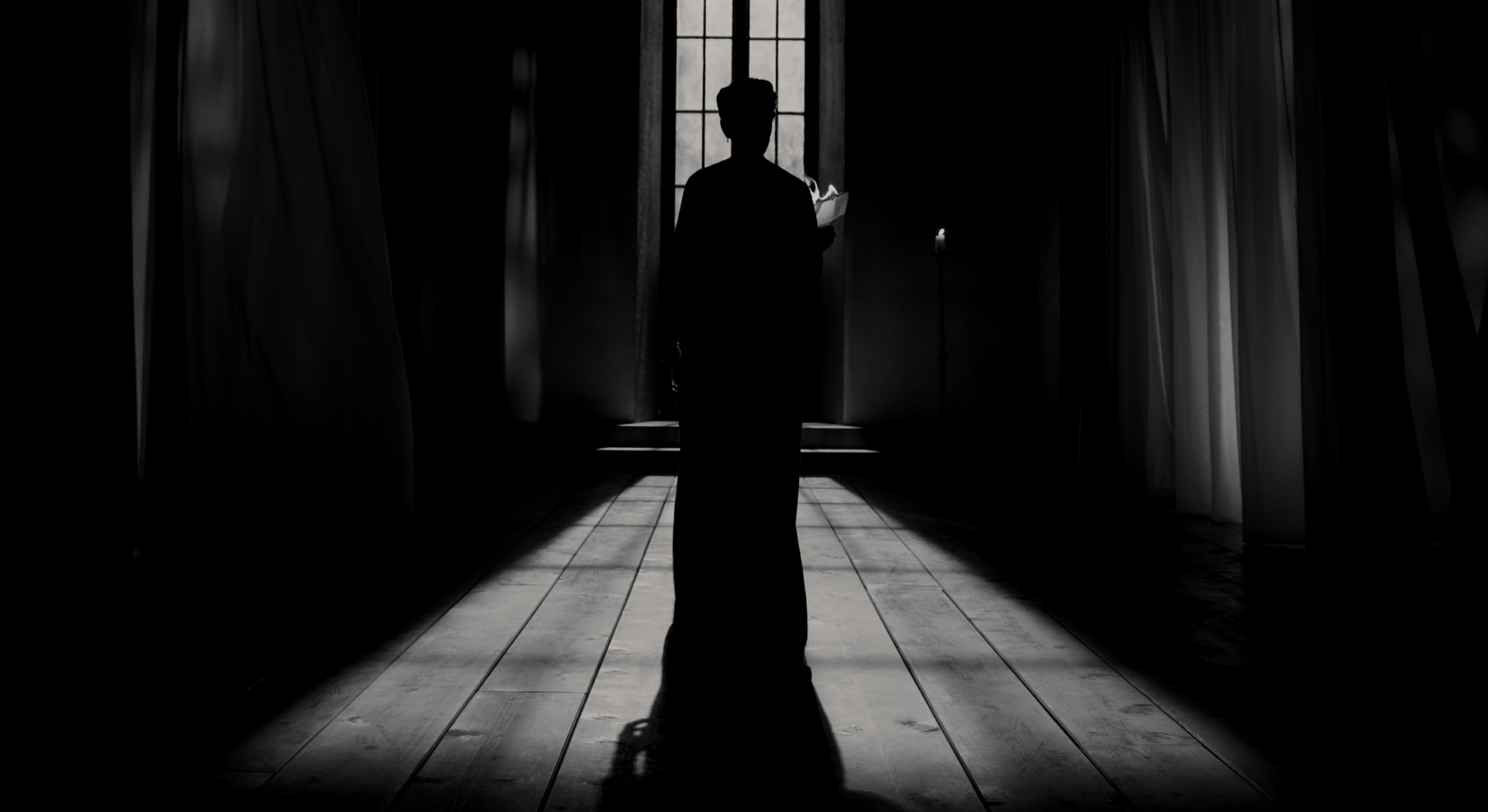
Edmund is haunted by three figures from his past: Irish Liberator Daniel O'Connell, his friend Rabbi Moses and, eventually, Annie herself. Each ghost appears as a messenger archetype.
At times, they issue warnings — in gothic black and white — appearing in the form of the Three Witches from Macbeth. At other times, they appear as their younger selves, casually conversing with Edmund in his study at night.
“Though no Spiritist, I have been abiding in a spiritual world
Impelled by imagination, I retraced a region dead and gone
And held communion with friends and foes alike.”
— Edmund Finn
As he races against time and vision loss to complete The Chronicles of Early Melbourne, his final act of resistance is to document the truth.
“The darkness is not empty.
It is crowded.
As the world of the dead grows vivid,
I am losing the sun
but I am finding the souls I thought I'd forgotten.”
— Edmund ‘Garryowen’ Finn, 1888
Grief will blur the boundaries between memory and reality.
“I am not a writer
I am a witness to a recurring truth.
I write not for the masters
But for the ghosts they strive to erase”
- Edmund Finn
Edmund is haunted by three figures from his past: Irish Liberator Daniel O'Connell, his friend Rabbi Moses and eventually, Annie herself. Each Ghost appears as a messenger archetype.
At times they issue warning- in gothic black and white - appearing in form of The Three Witches from MacBeth. At other times they will appear as their younger selves, casually conversing with Edmund in his study at night.
“Though no Spiritist, I have been abiding in a spiritual world
Impelled by imagination, I retraced a region dead and gone
And held communion with friends and foes alike”
- Edmund Finn
As he races against time and vision loss to complete The Chronicles of Early Melbourne his final act of resistance is to document the truth.
“The darkness is not empty
It is crowded
As the world of the dead grows vivid I am losing the sun
but I am finding the souls I thought I’d forgotten”
Edmund ‘Garryowen’ Finn 1888
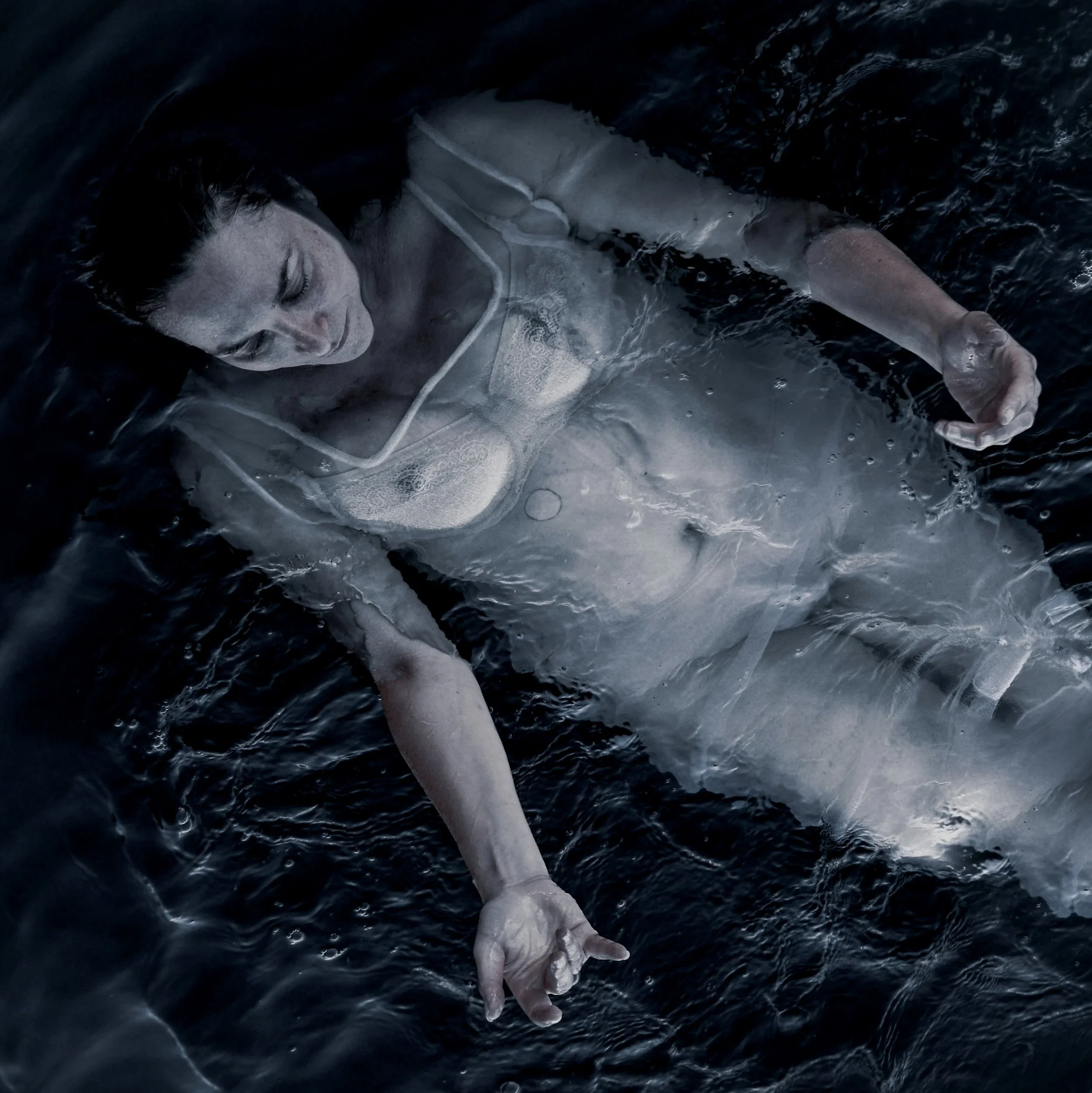
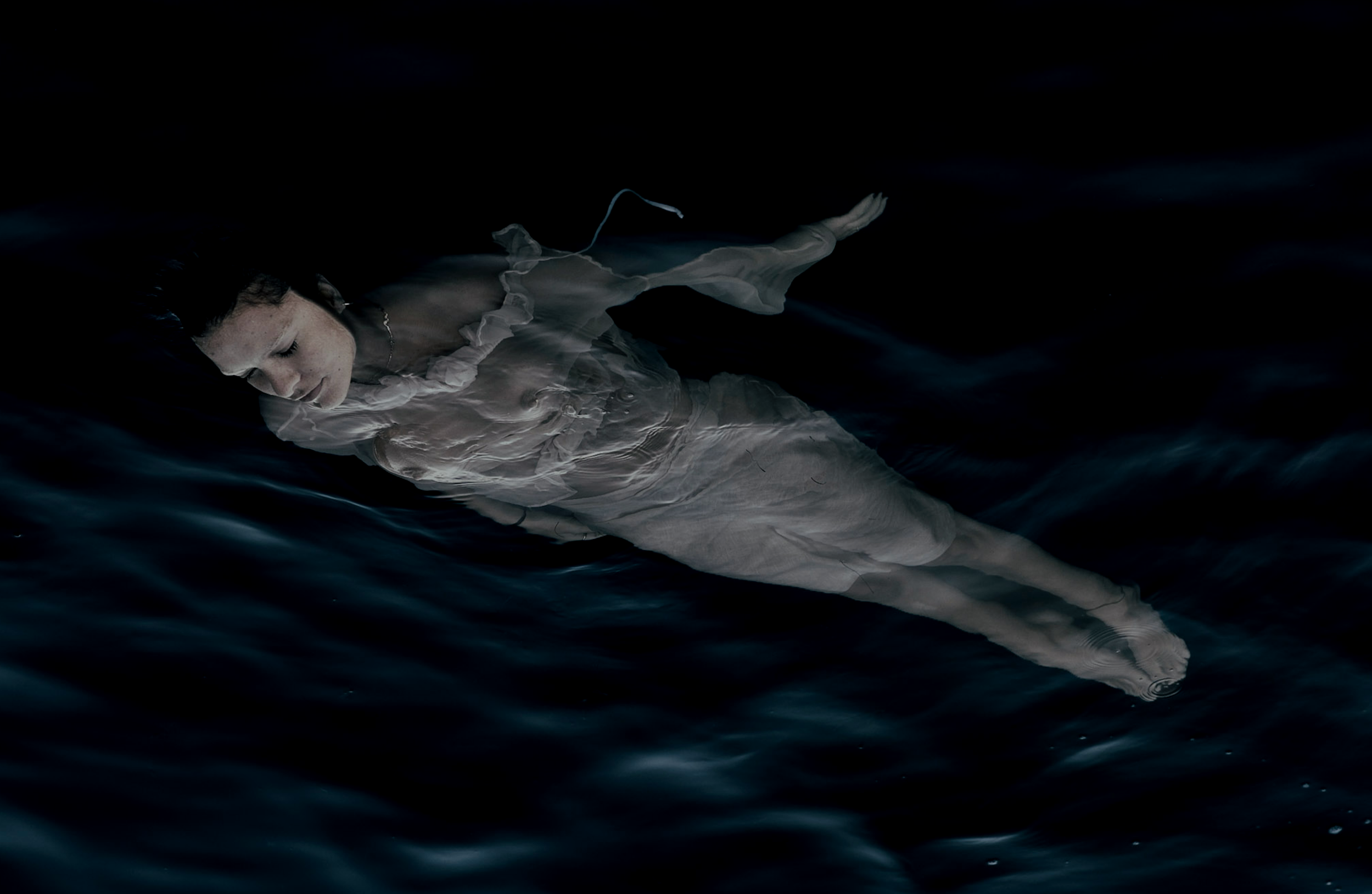
The darkness is not empty It is crowded
As the world of the dead grows vivid I am losing the sun but I am finding the souls I thought I’d long forgotten
Edmund ‘Garryowen’ Finn 1888
APPENDIX
HISTORICAL RESEARCH DOCUMENTATION
THE CREMORNE GARDENS SCENE - ANNIE FREQUENTLY DANCES ALONE AT HOME BUT WHEN SHE IS LOST TO THE MUSIC AT THE CREMORNE FAIR, SHE WILL BE SHAMED AND SILENCED FOR YEARS TO COME.
“I am not a writer
I am a witness to a recurring truth
I write not for the masters
But for the ghosts they strive to erase”
- Edmund Finn 1888
The Aboriginal people are the Lords of the Soil
And we are the interloping trespassers.
I have watched with a regret the fading away of a people who once roamed these hills with a freedom we can scarcely comprehend.
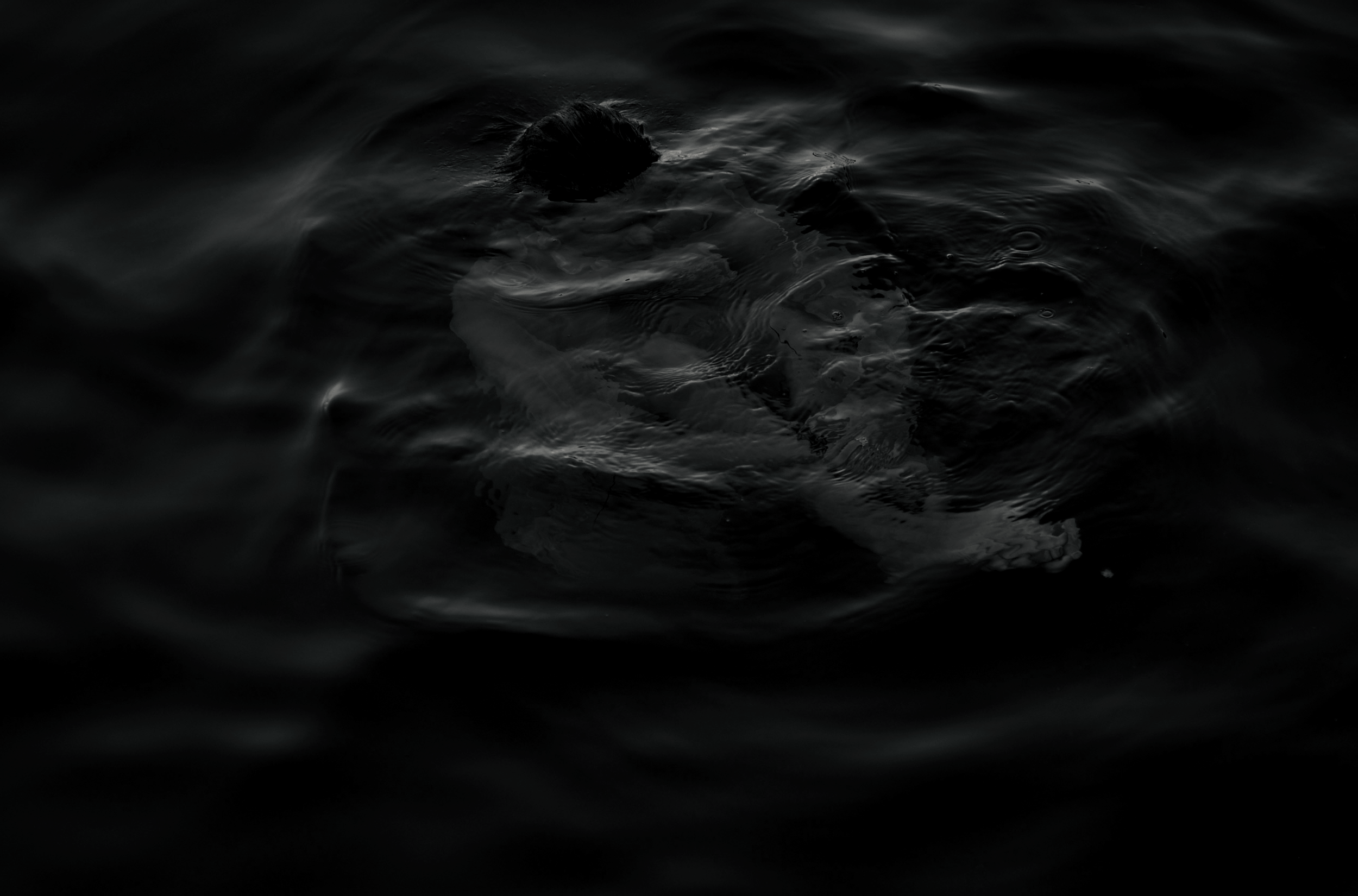
They are very superstitious. Comets are their peculiar aversion. The first night the great comet of 1842 appeared, there was dreadful commotion and consternation among the Australian tribes.
A large number were encamped close to the station where I resided, and I remember the intense alarm it created-different spokesmen gesticulated and speechified far into the night; but as the comet still remained, and all their endeavours to explain the unusual appearance were fruitless, they broke up their camp in the middle of the night—the only time I ever remember its being done — and crossed the river, where they remained huddled up together until morning. Their opinion was that the comet had been caused and sent by the Ovens blacks to do them some direful harm. They left the station, and did not return until the comet disappeared.
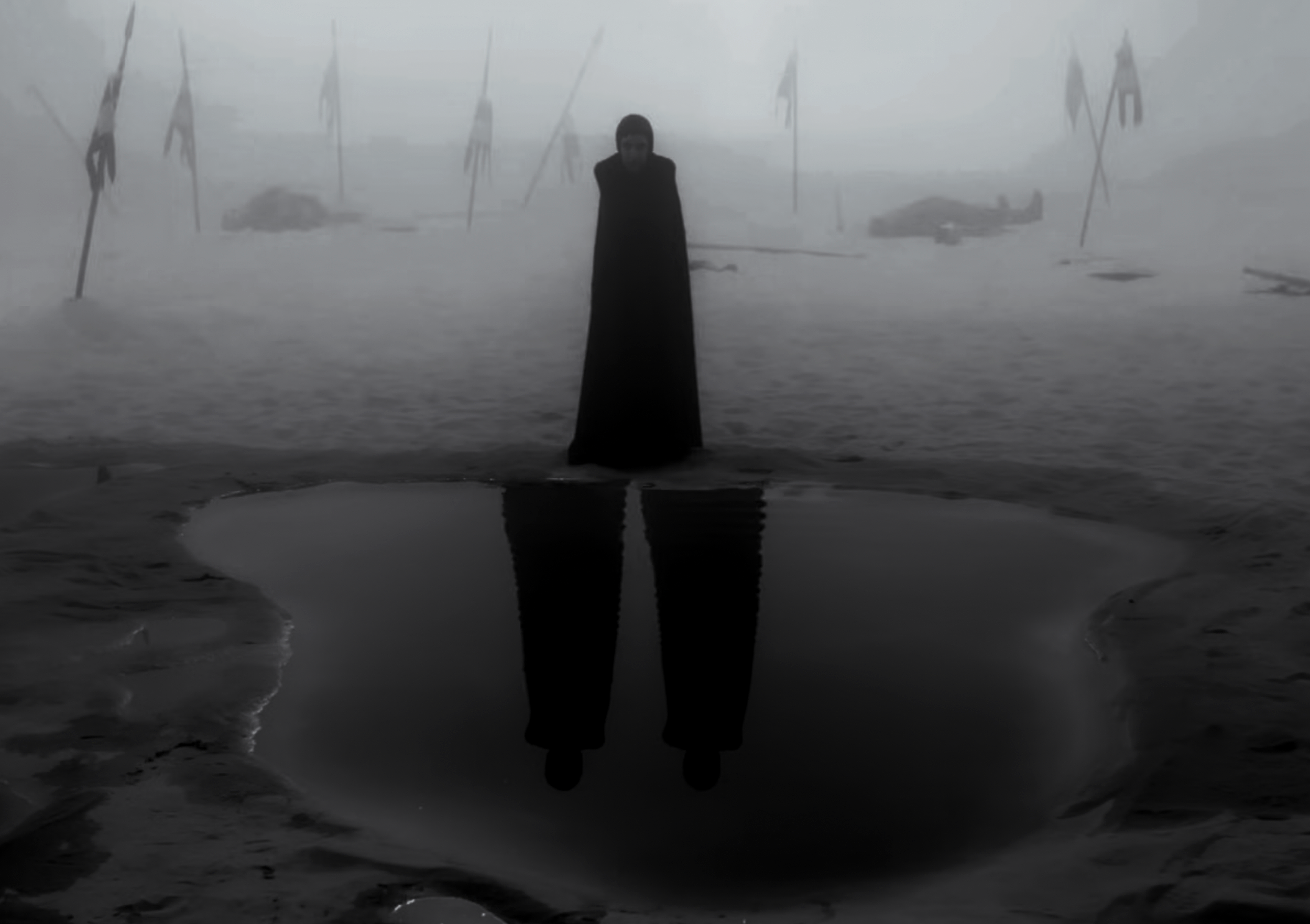
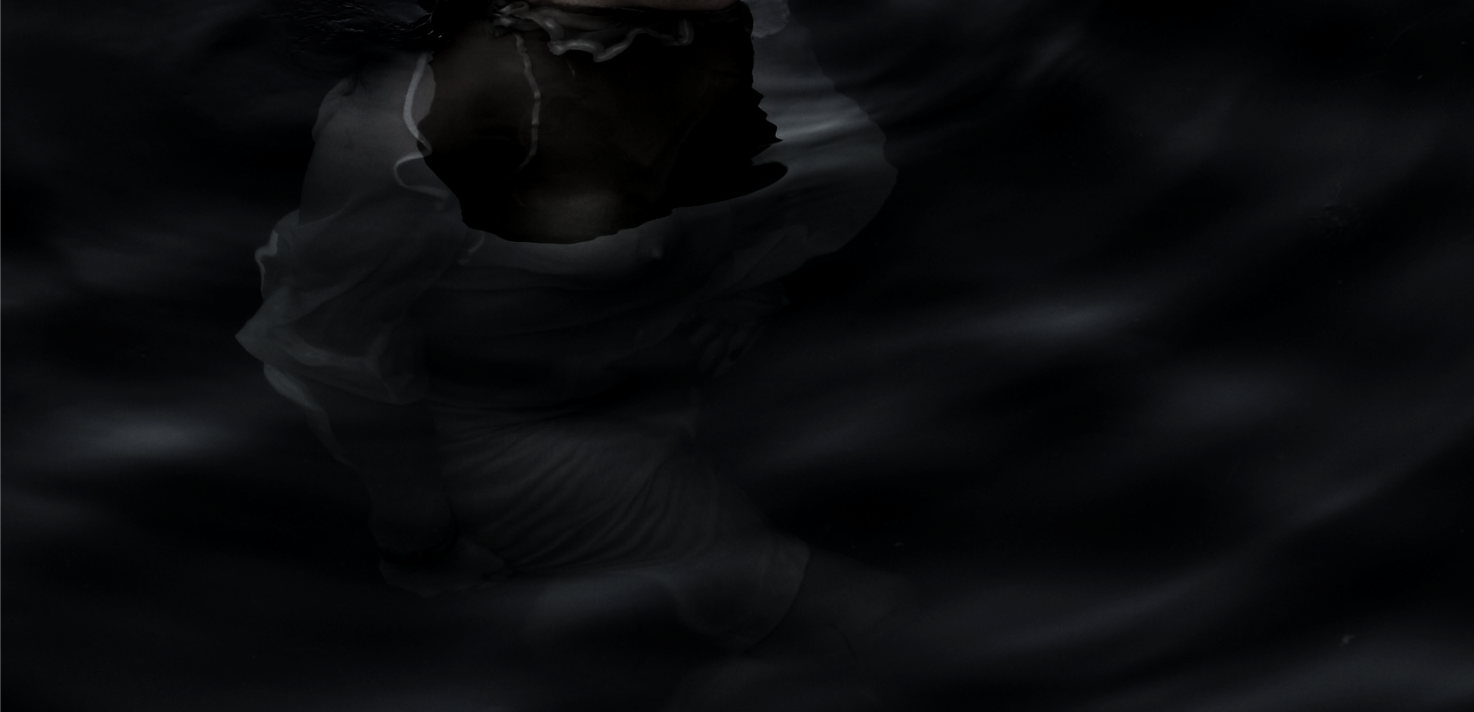
“Though no Spiritist, I had been abiding in a spiritual world, and, impelled by imagination, retraced a region dead and gone, held communion with friends and foes alike”
Edmund Finn 1888
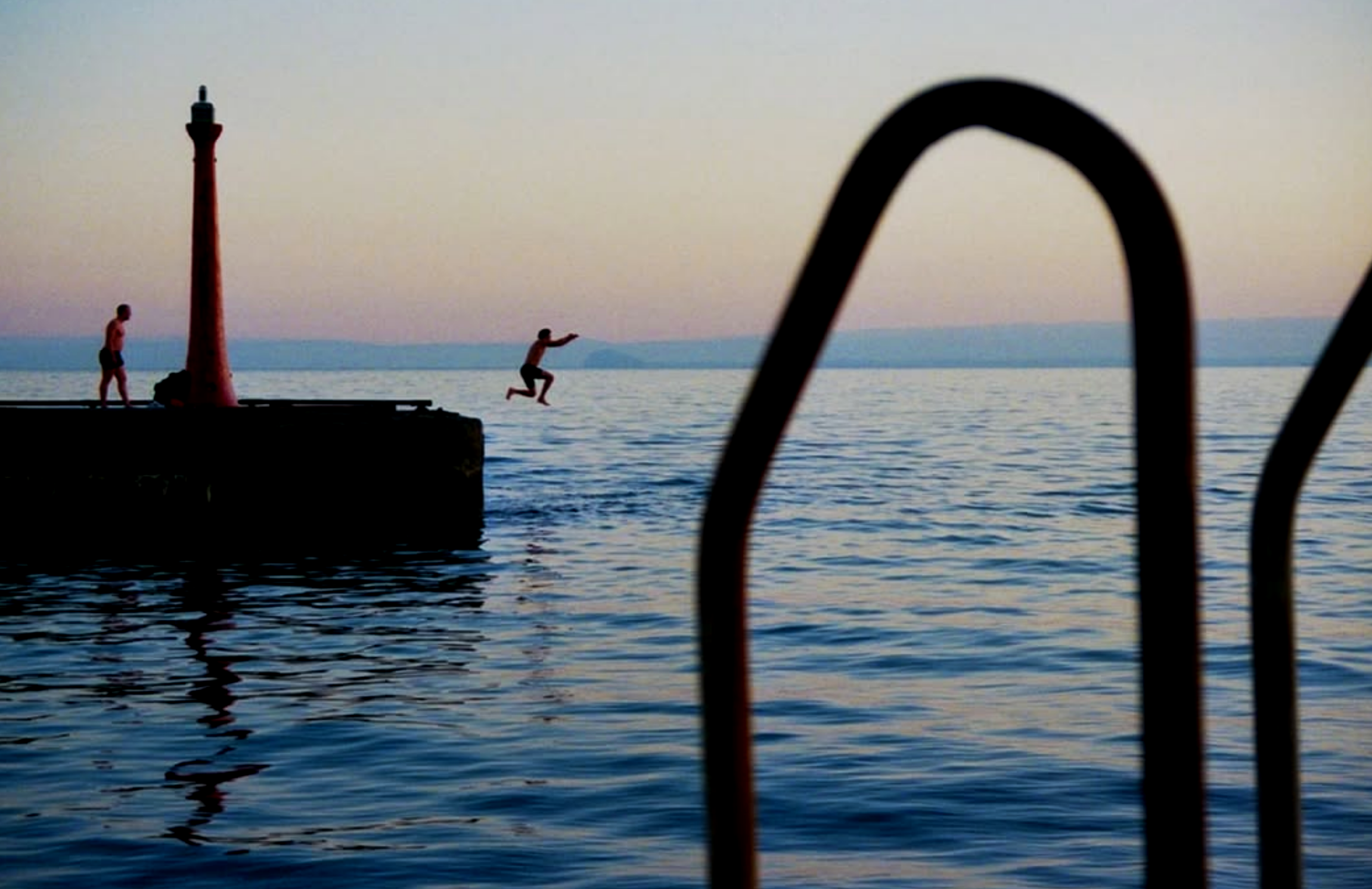
"Millions of spiritual creatures walk the earth
Unseen, both when we wake and when we sleep."
Edmund Finn
The Children
EDDIE FINN
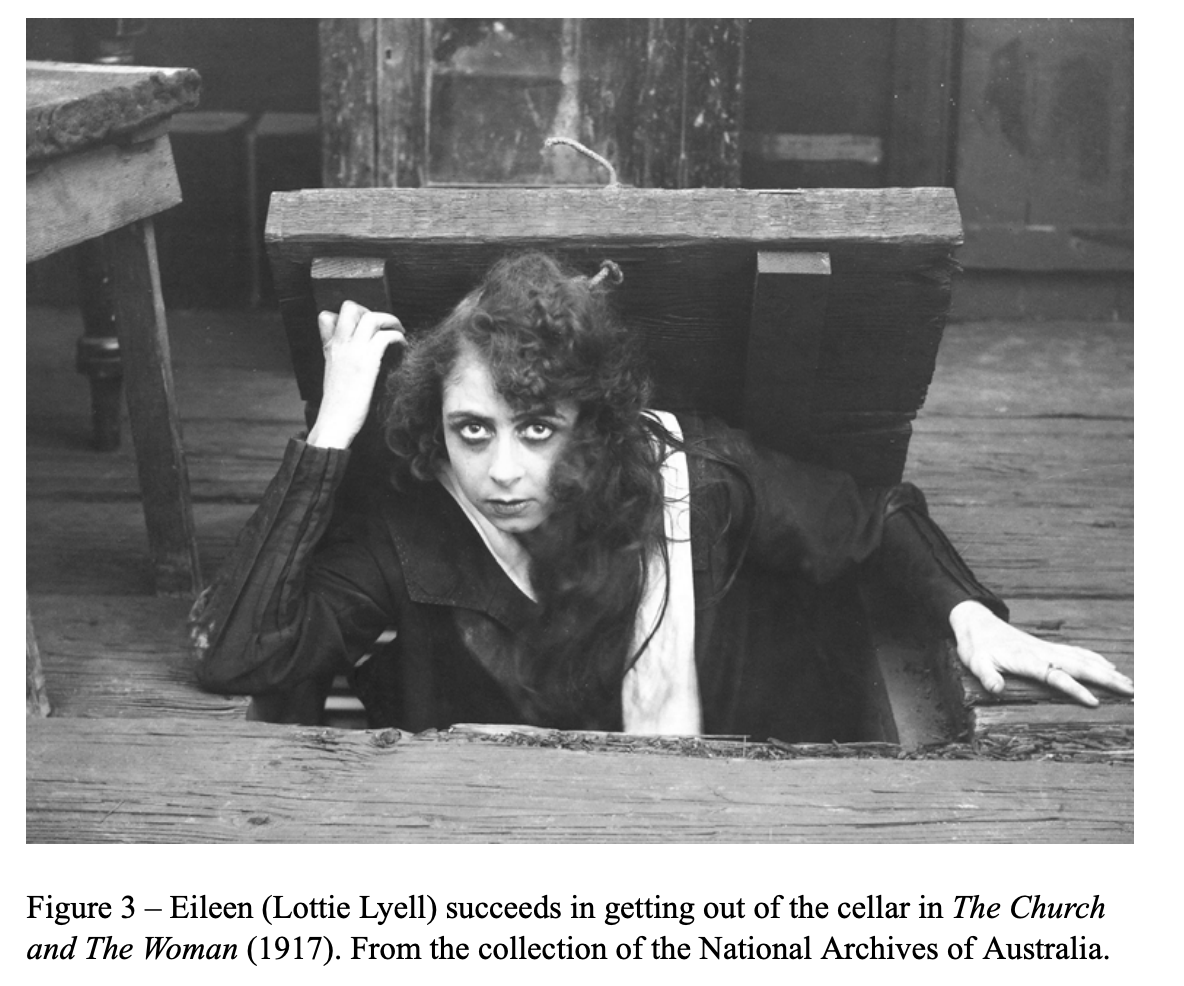
Eddie inherits the brilliance and contradictions of his father, along with the deep artistic sensitivity of his mother, Annie Reidy. Raised in public acclaim and private fracture. As editor of Melbourne Punch, a sharp cultural observer and arts critic at the turn of the century. His novel A Priest’s Secret later sparks a landmark copyright battle over the film The Church and the Woman, extending the family’s legacy of authorship — and conflict.
JACK FINN
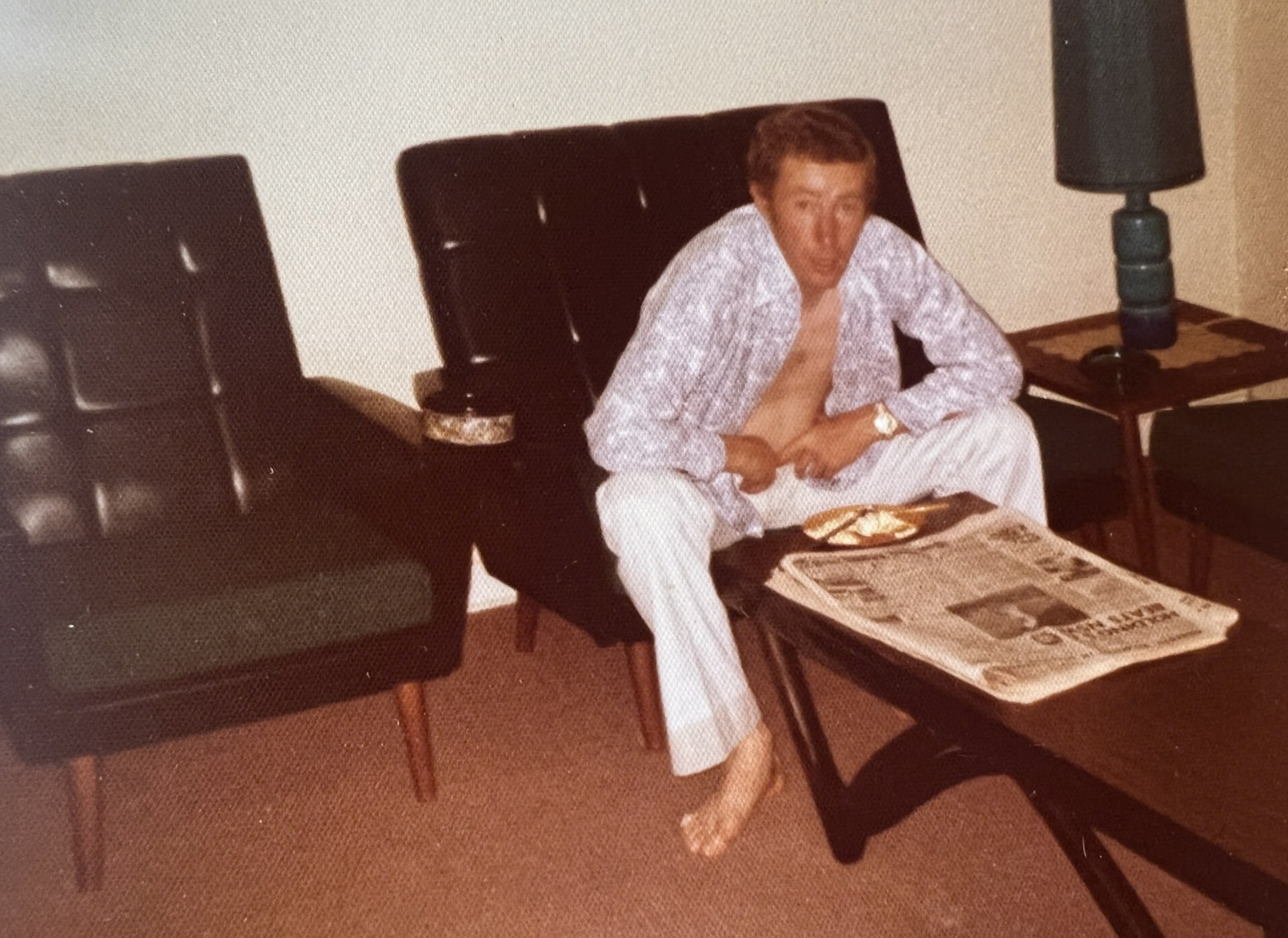
1976 socialist raconteur, Unionist and semi-professional golfer who rejects his elite grooming. Mentored by "The Baron," Jack leads a "chosen family" of dockside unionists. In a physical echo of his ancestor Patrick’s 1842 escape, Jack executes an audacious mid-air plane heist, concealing himself inside a cargo crate. He is a man caught between the "Gypsy Soul" of the 1976 boat and the kinetic, desperate fire of a 1988 reckoning.
REBECCA FINN
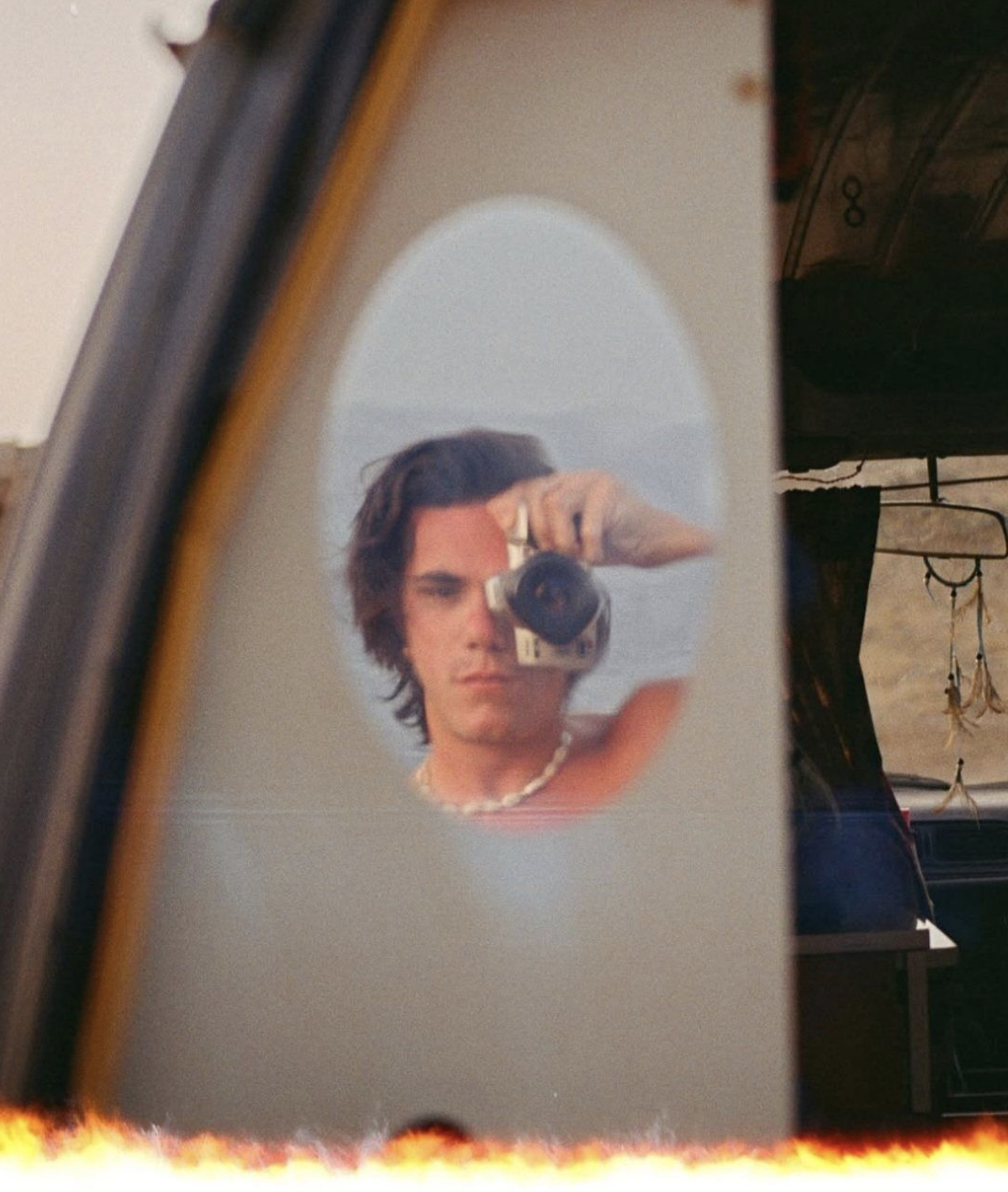
1986 A twenty-nine-year-old activist and photojournalist, inherits Anne Reidy’s spirit and courage. ADDICTION TO LIMERANCE, LOVING POWERFUL UNAVAILABLE MEN. While her marriage collapses, she navigates the complexity of the Mabo Case, and discovers Edmund’s Chronicles. Through his ink, she finds her vision—realising her work for ‘Mabo’ indigenous land rights is the modern completion of the "Architecture of Return." She is capable of bringing the family’s sedimented secrets into the light.
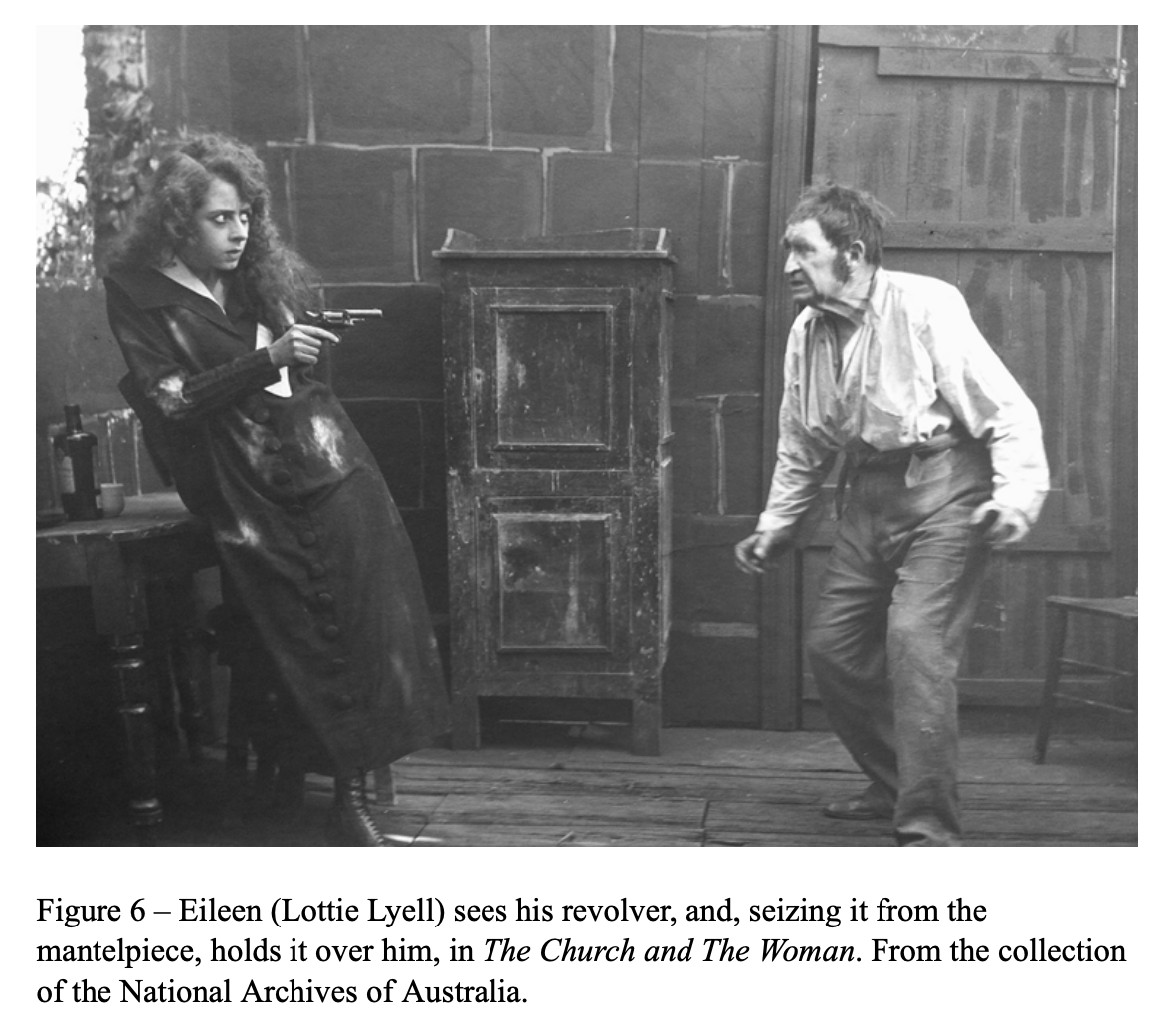
ANNIE & EDMUND’S DESCENDANTS




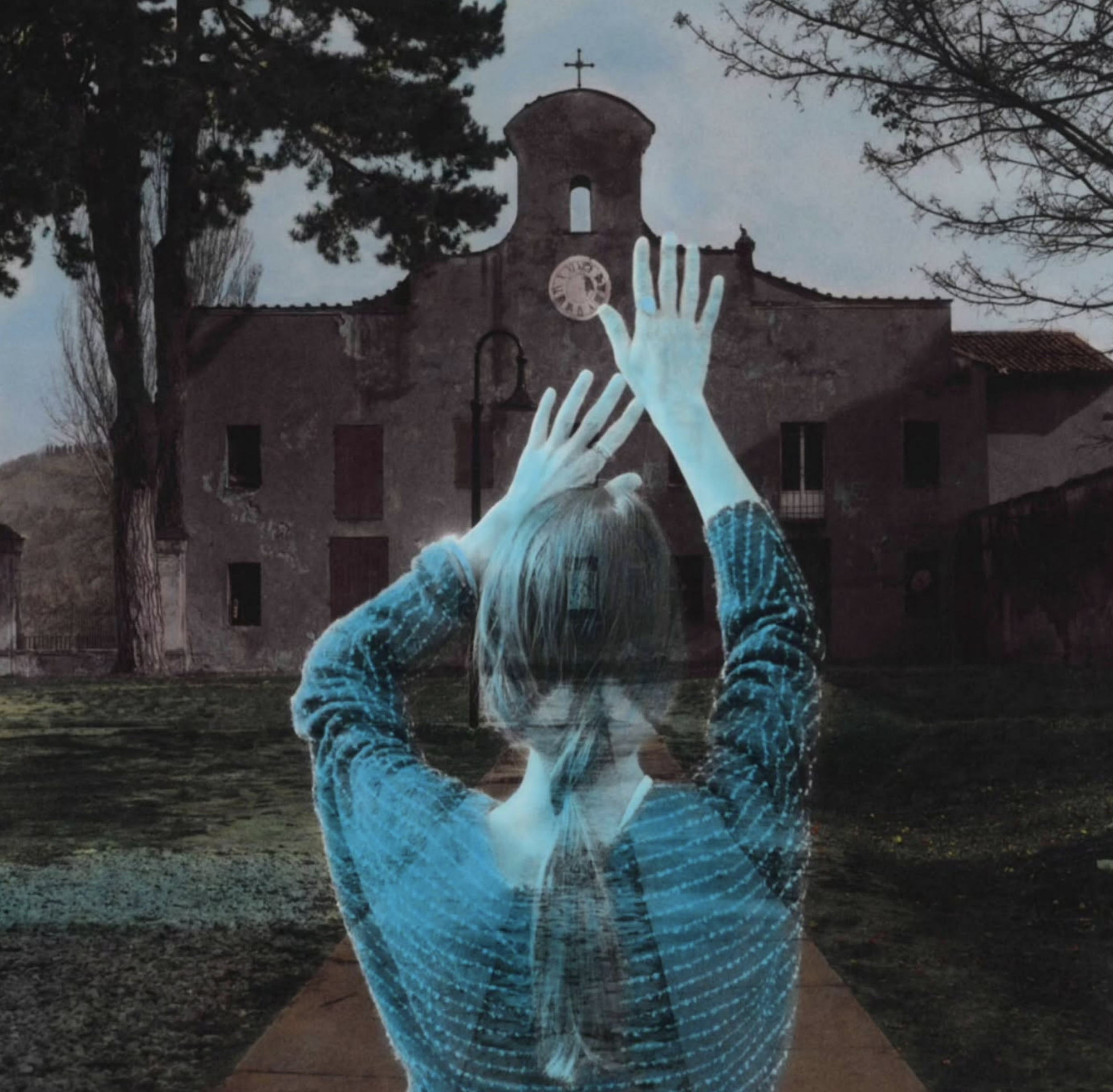







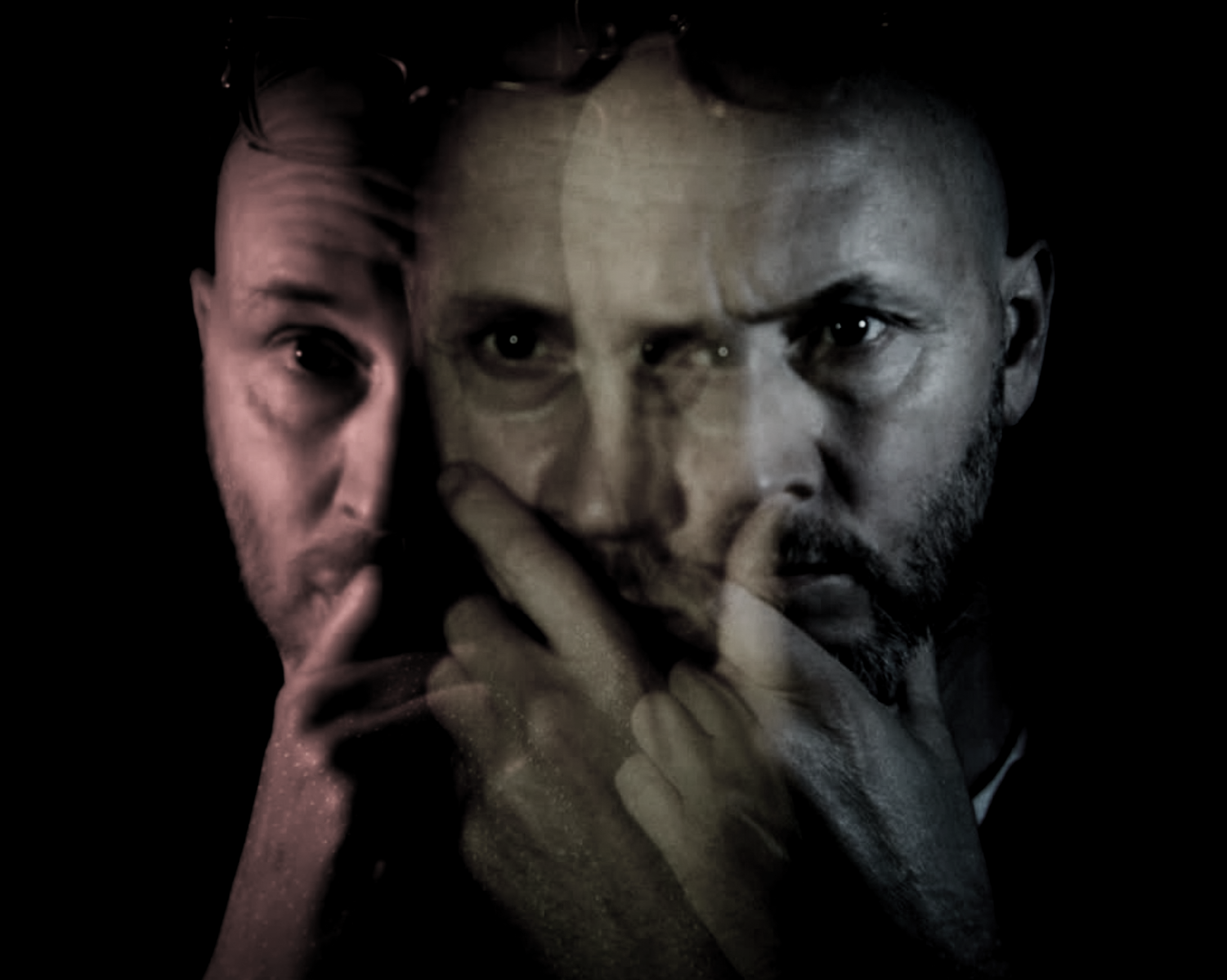
"The darkness is not empty. It is crowded.
As the world of men fades from my sight
the world of the dead grows vivid.
I am losing the sun, but I am finding the souls I thought I had forgotten."
EDMUND FINN 1888
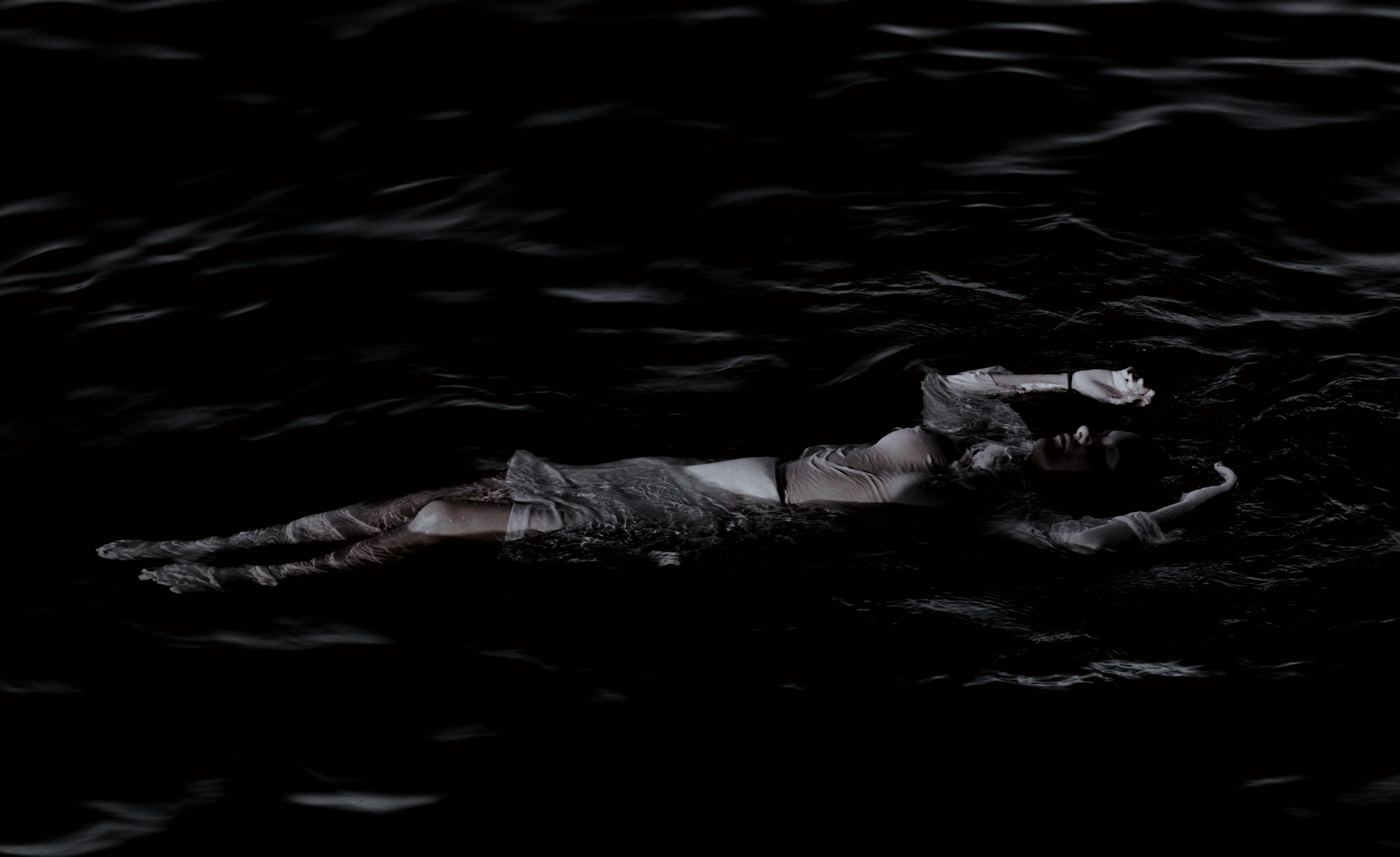
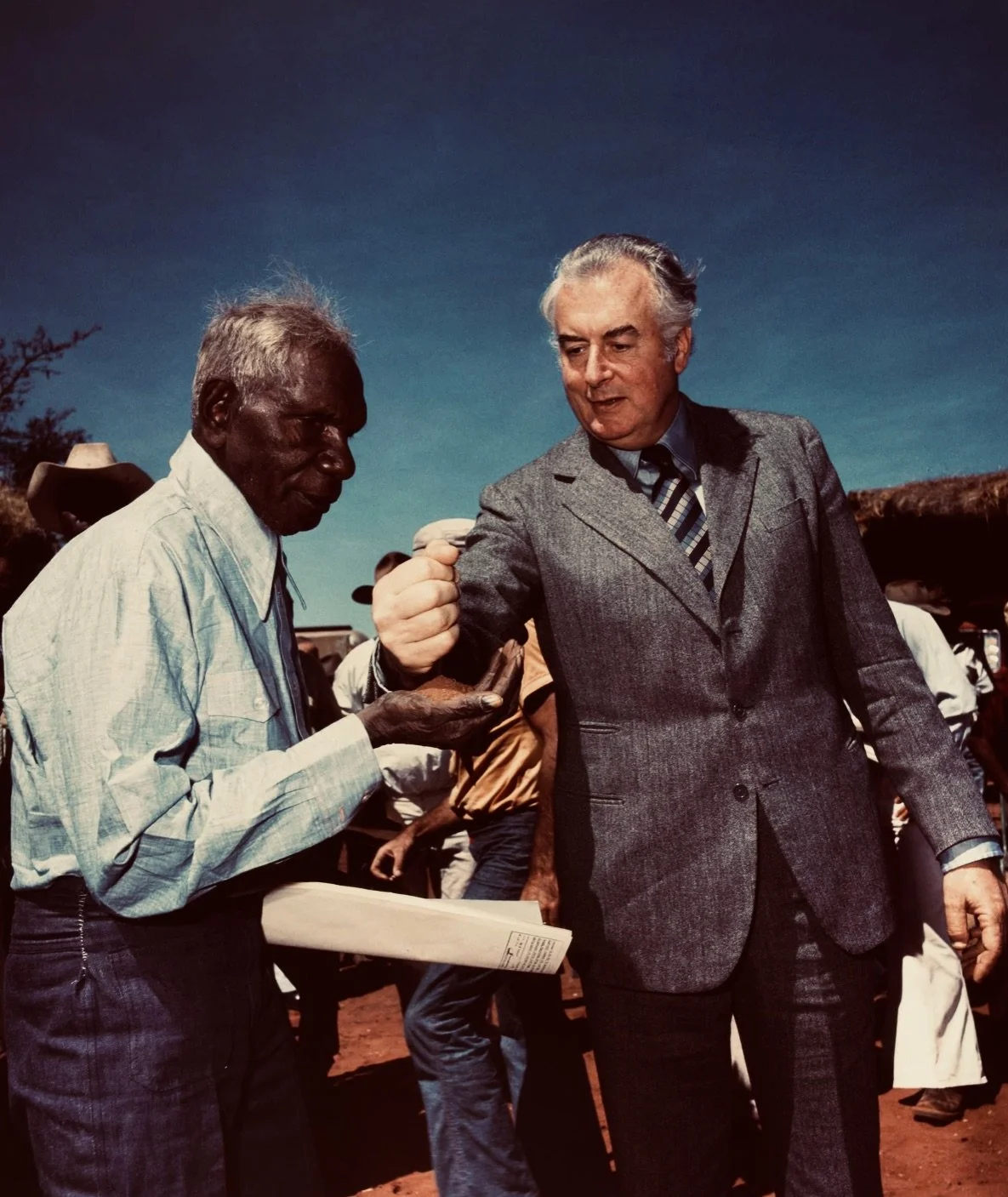
1970 -1988
MEDIA, ETHOS, PATHOS &
POP CULTURE
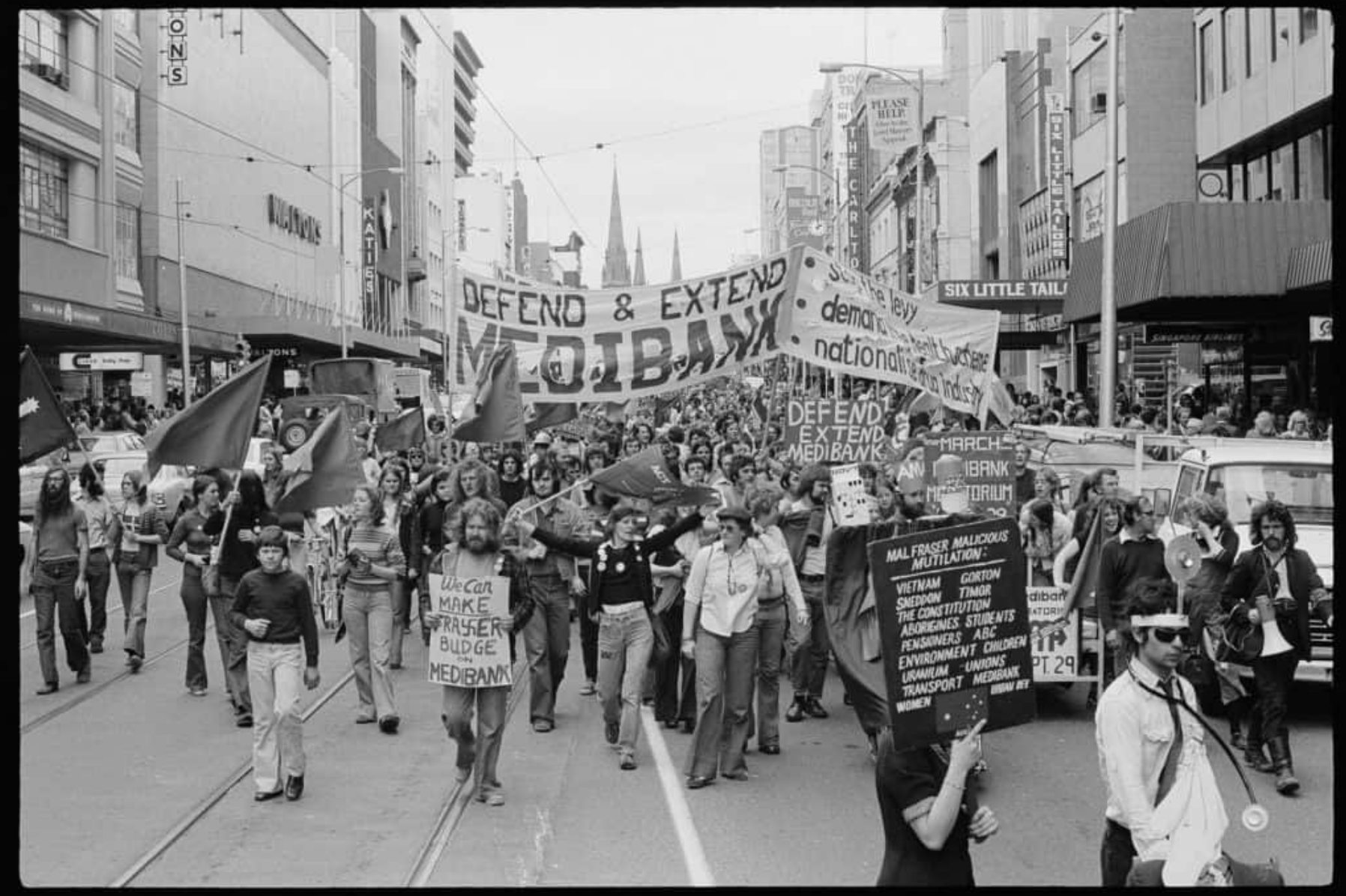
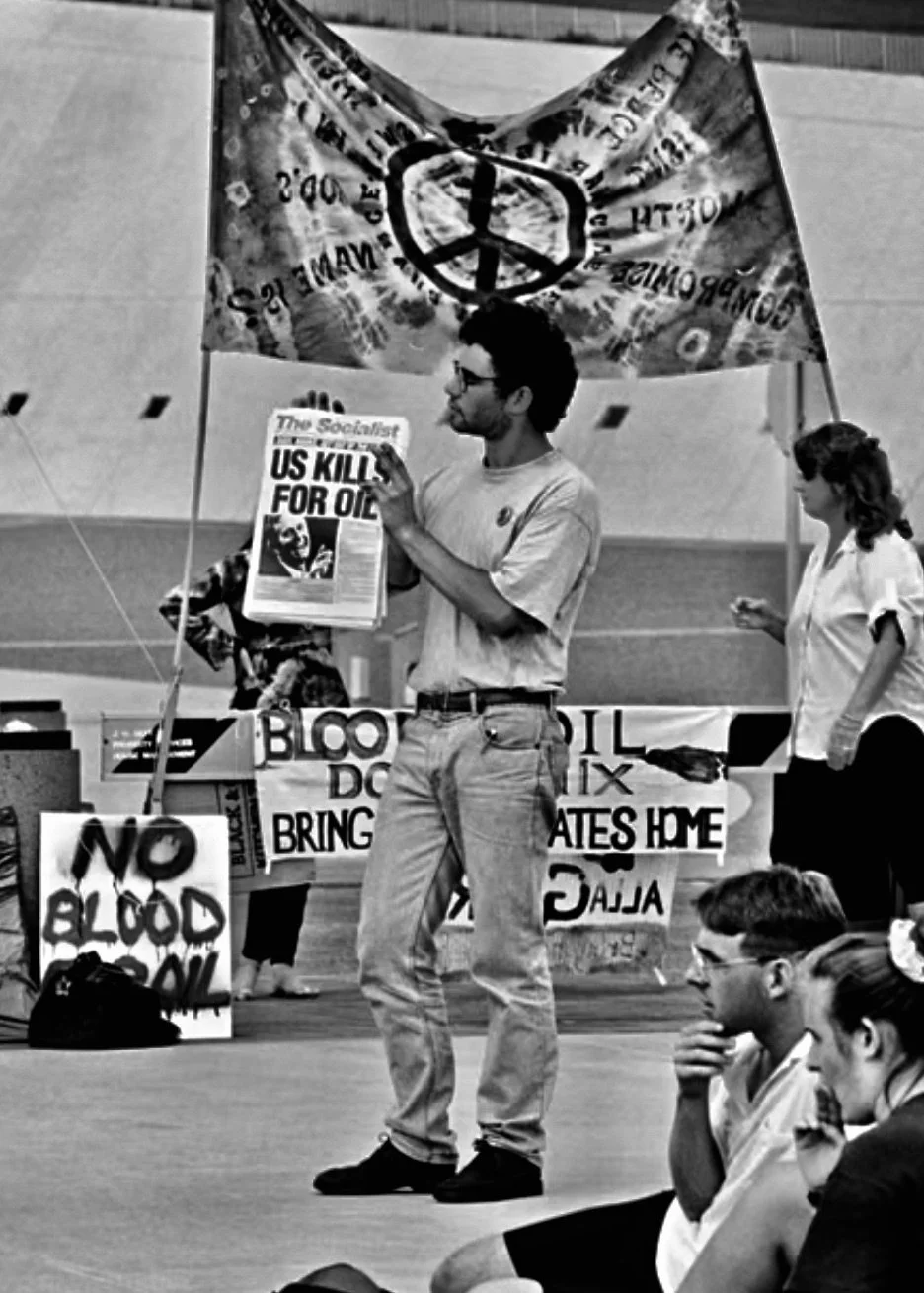
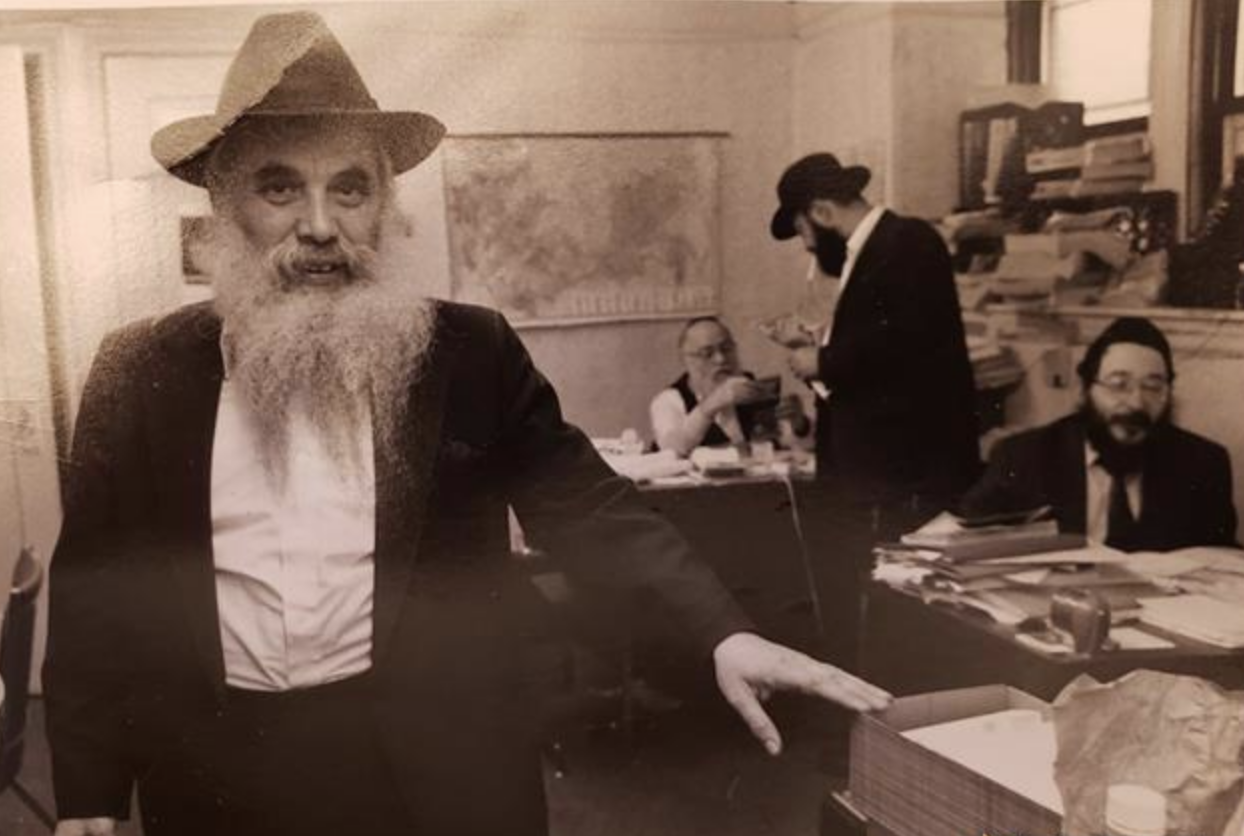
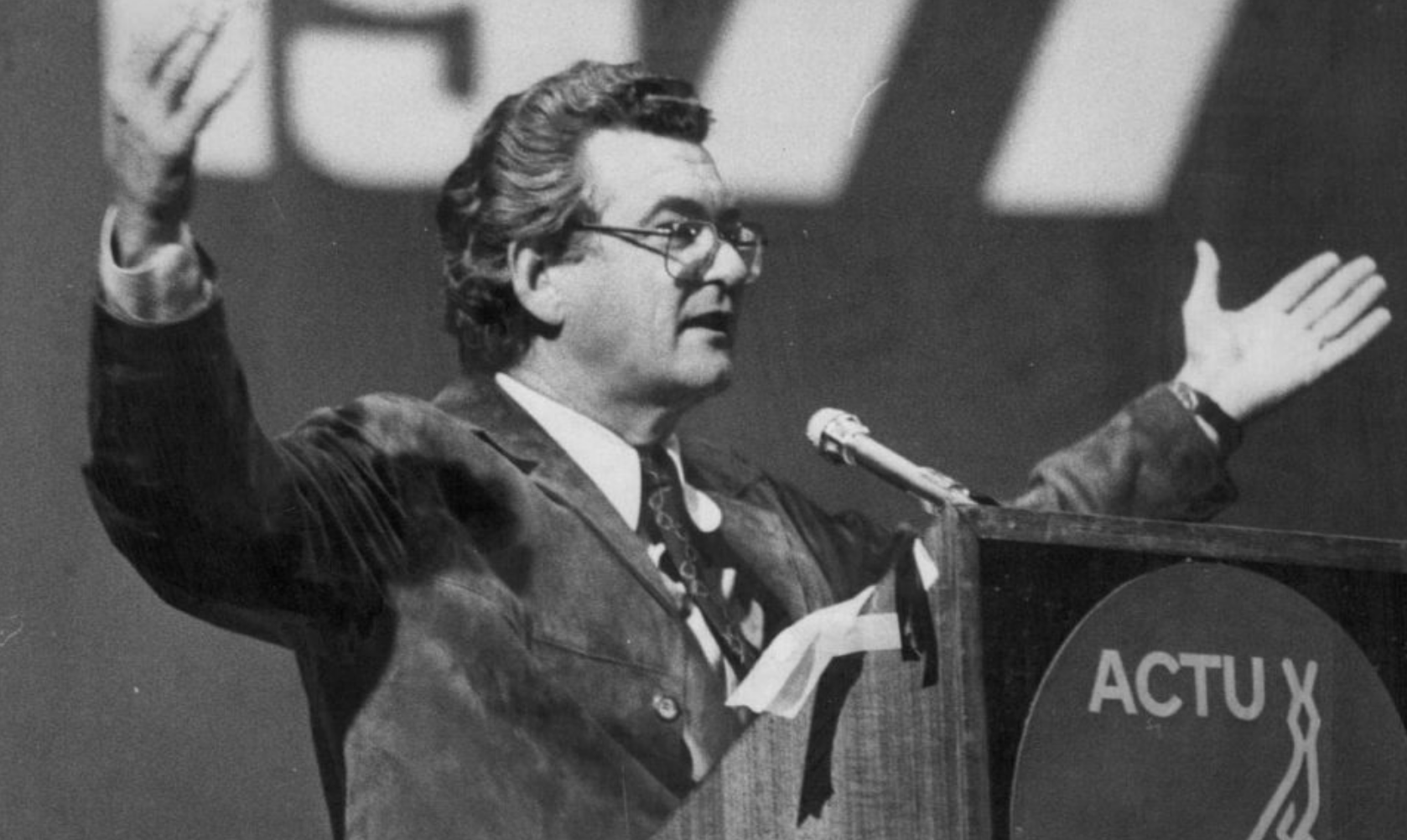
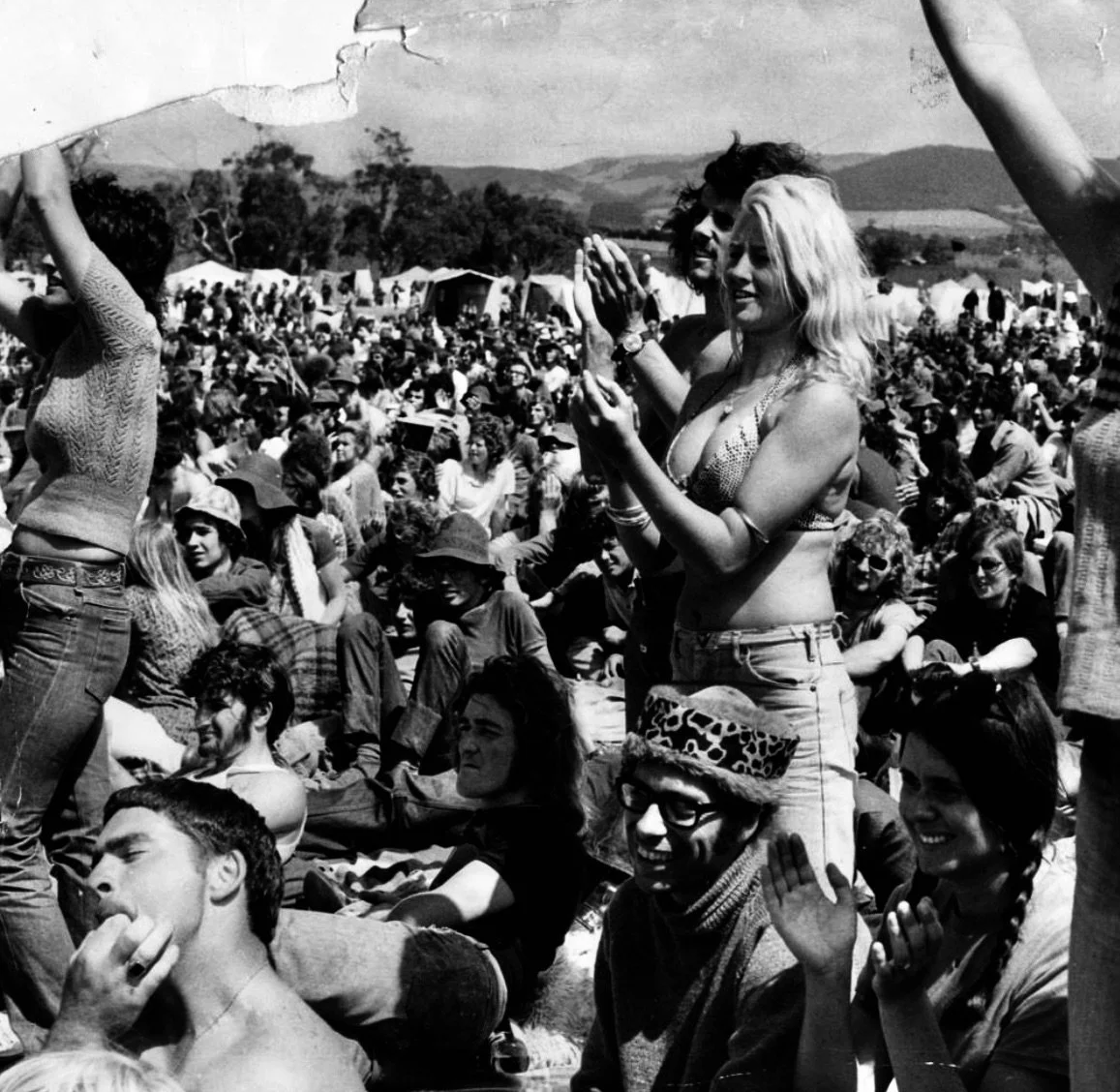
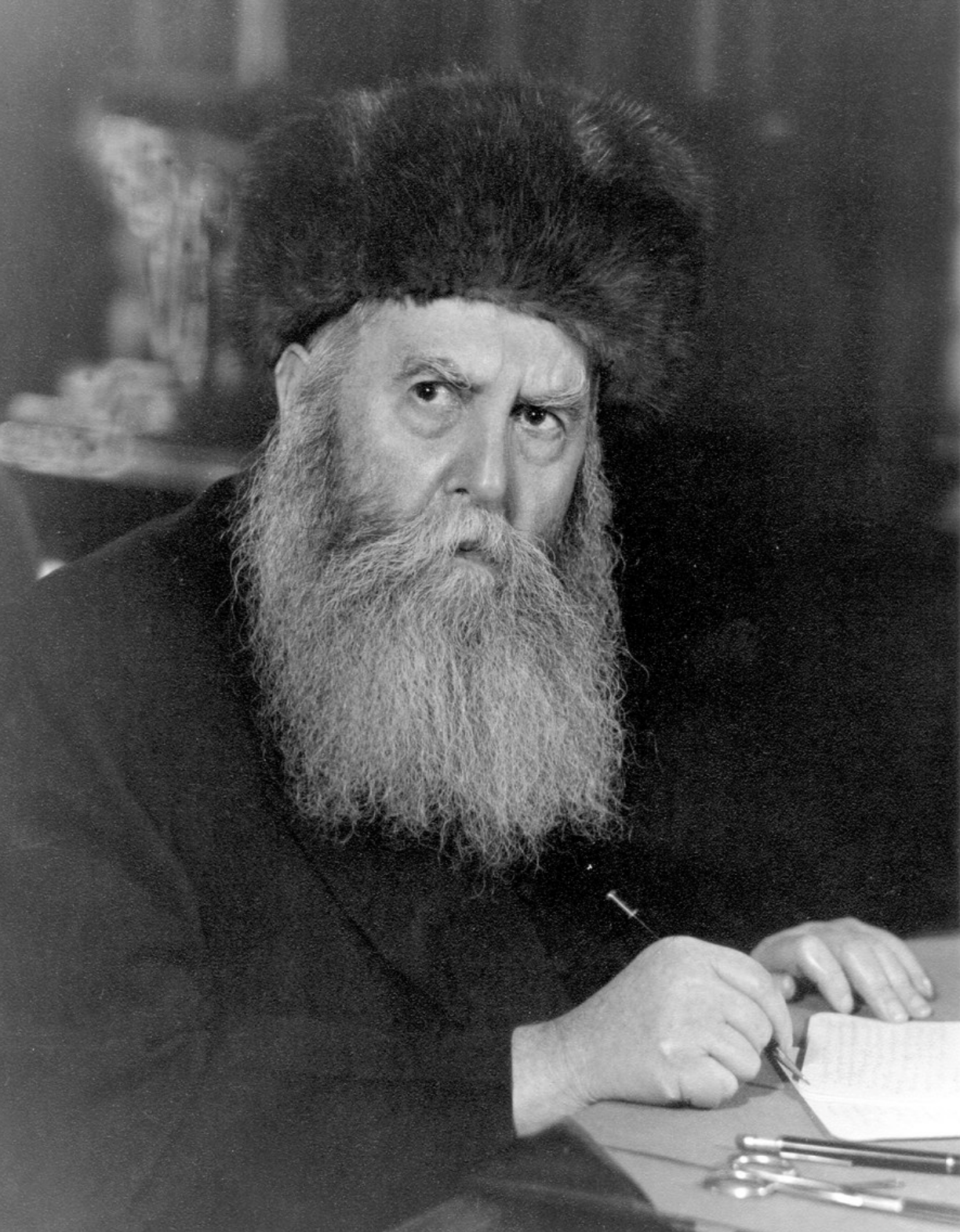
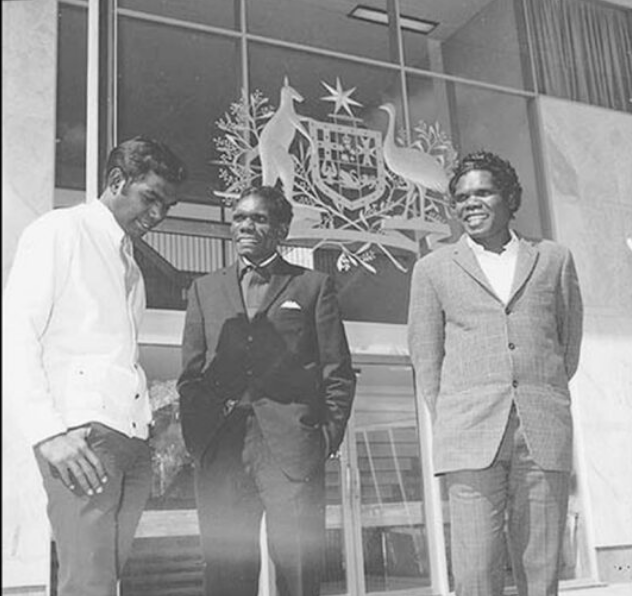
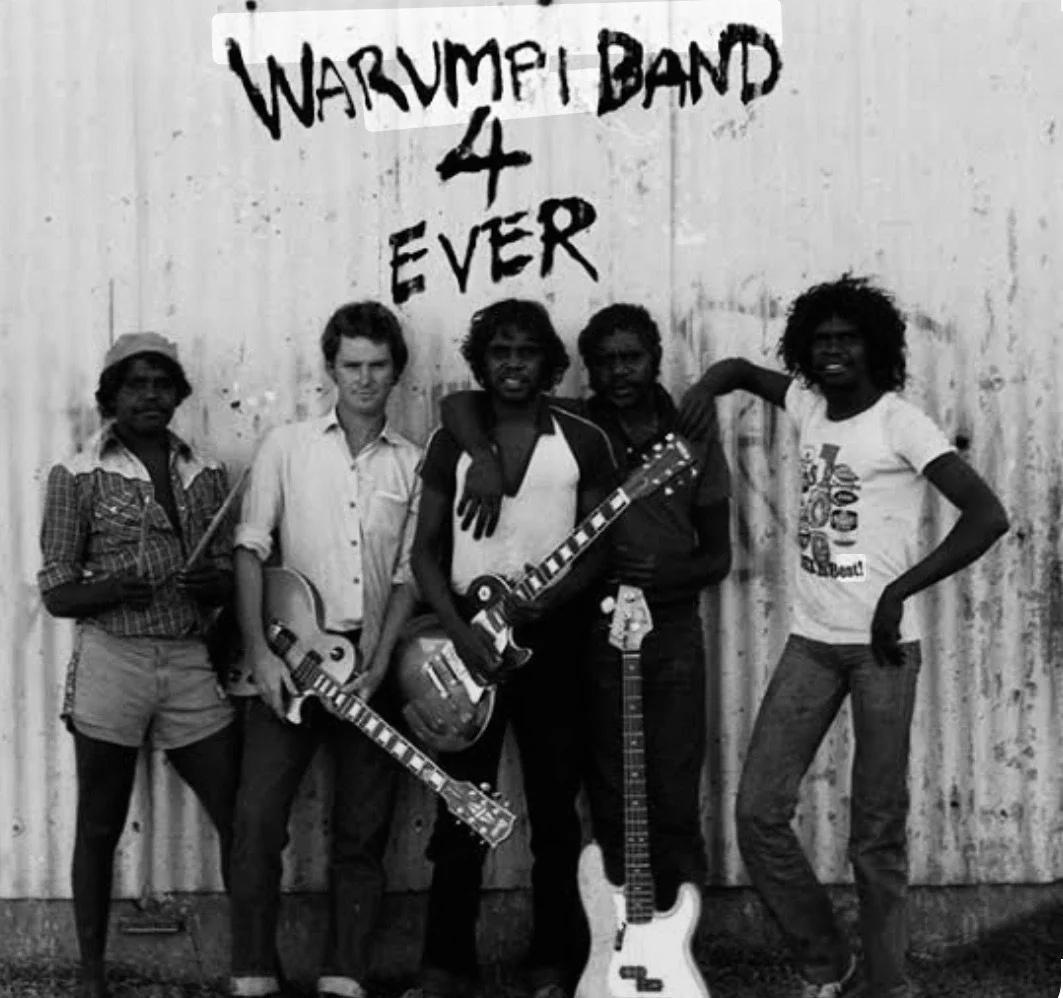
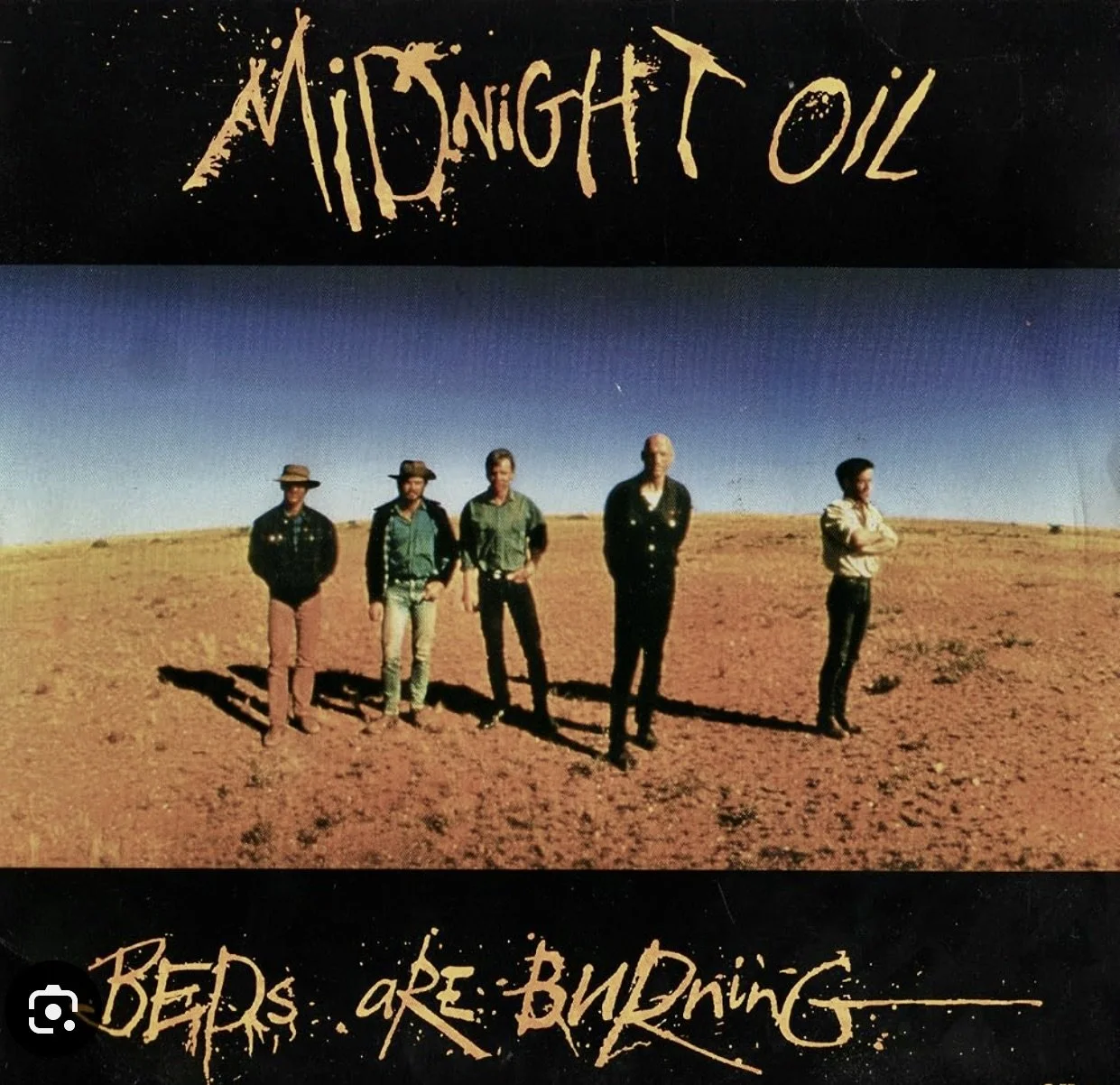
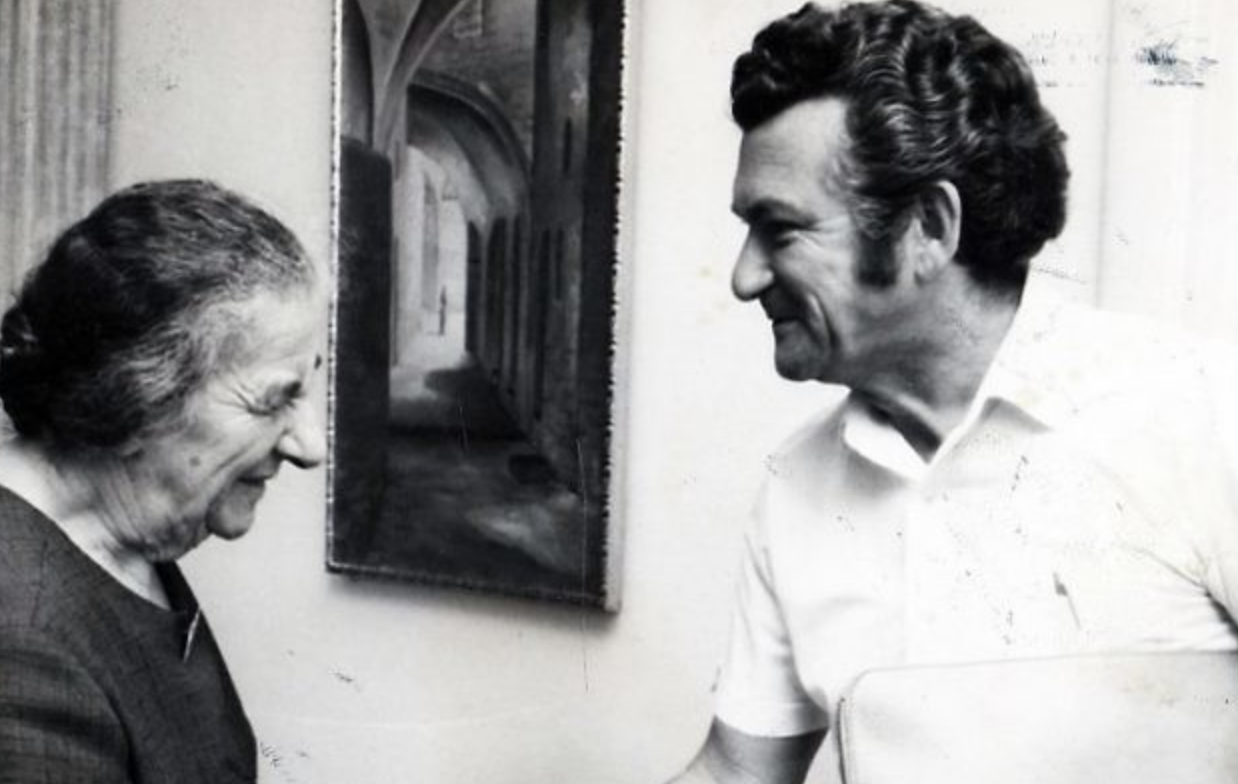
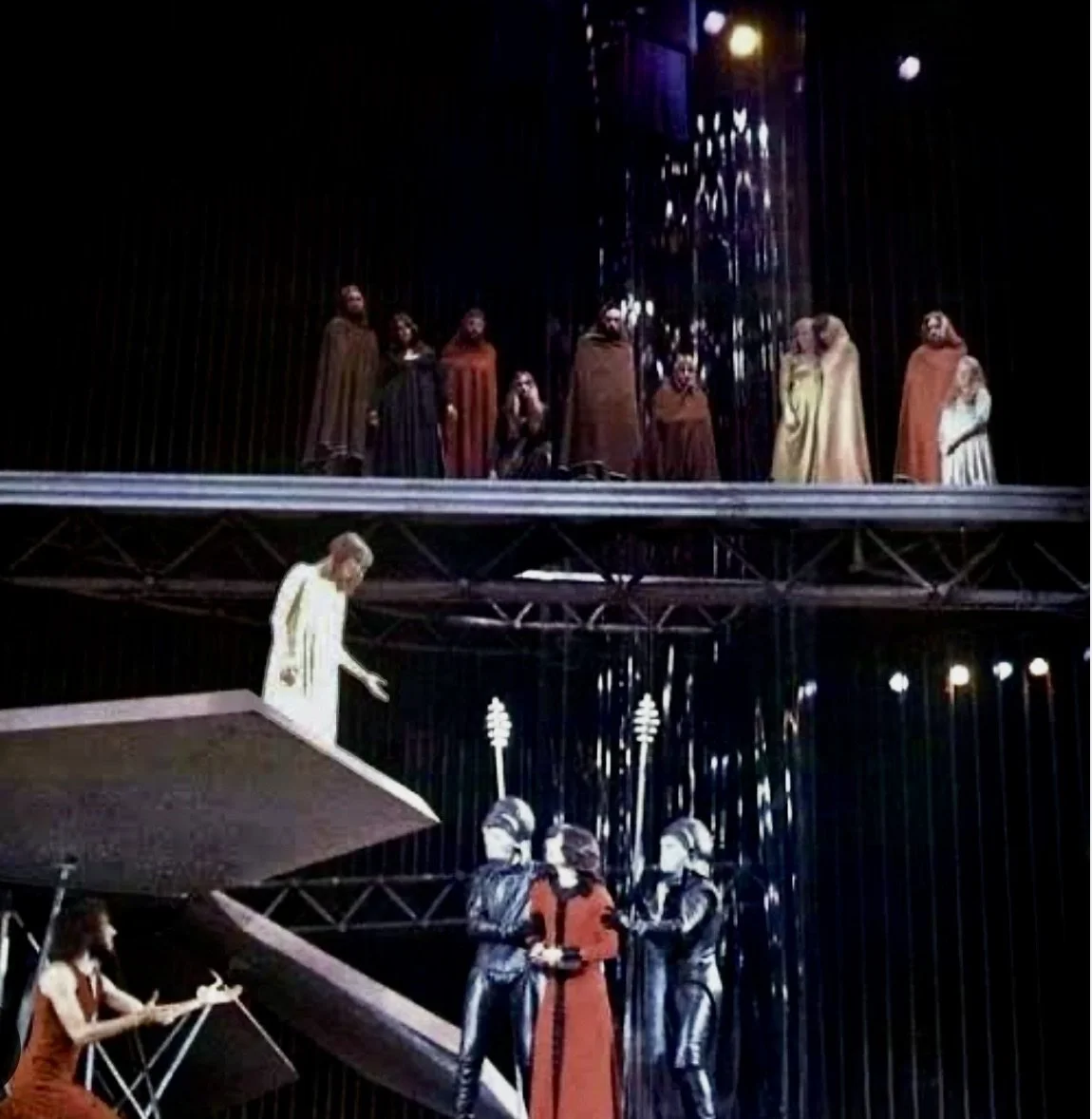
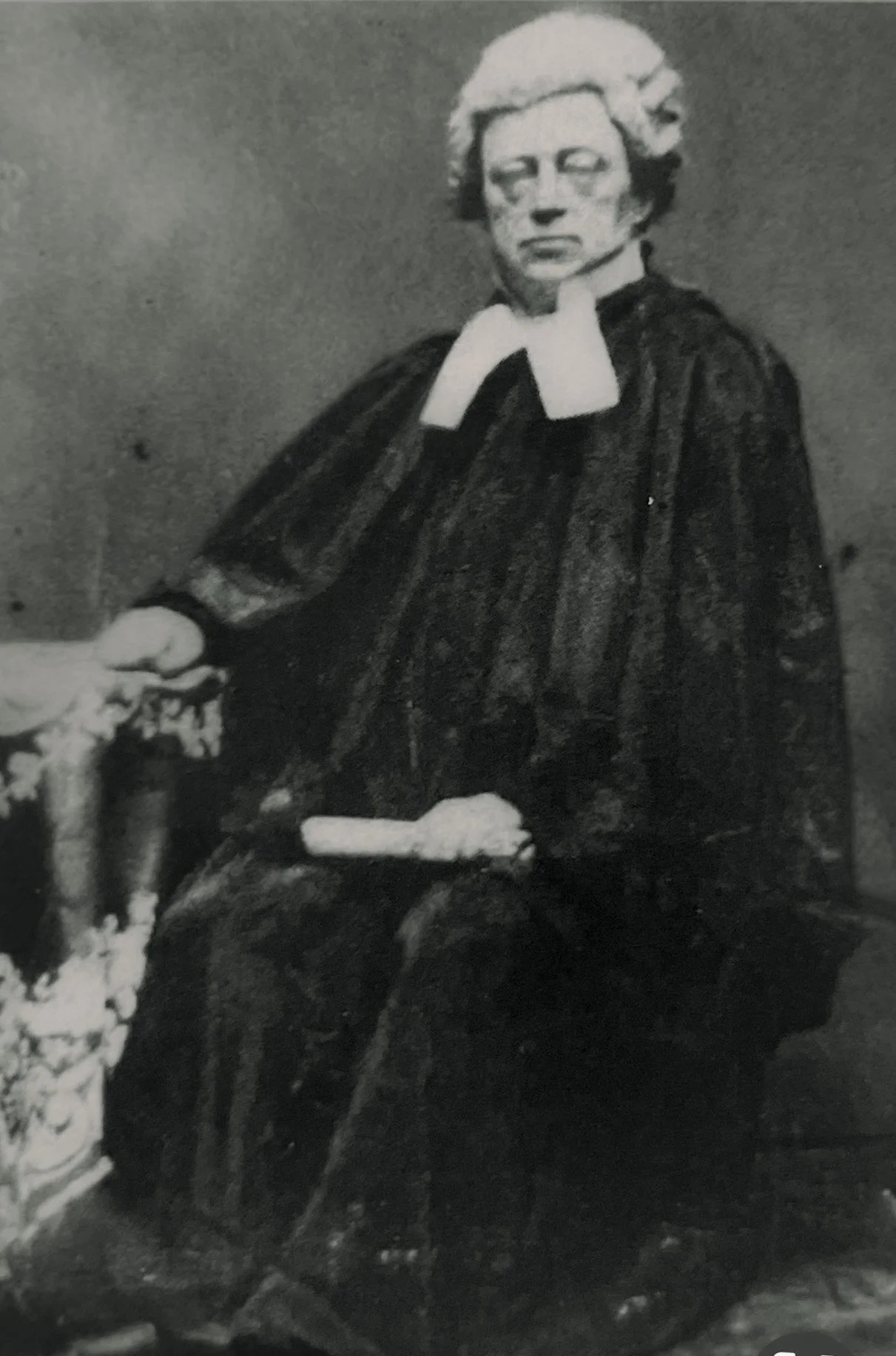
FINN QUOTES:
Social Justice & The Underdog
"The law was a net that caught the minnows and let the sharks go free. I saw the poor wretch lashed for a loaf of bread, while the land-grabber was toasted in the halls of Parliament. It was then I decided my pen would be a pike."
The Irish Mystic & The ‘Thinning Veil’
"I have been often 'lone and lonesome,' but never more so than when, in the gathering twilight of my life, the figures of the past start up like spectres around me, demanding that their names be not blotted out from the book of the living."
First Nations Advocacy
"We brought them our ‘civilisation’ in a bottle of rum and a box of smallpox. We took the soil they called mother and turned it into a ledger. My heart sickens to see the campfire extinguished by the surveyor’s chain."
Blindness as Spiritual Awakening
"The darkness is not empty. It is crowded.
As the world of men fades from my sight, the world of the dead grows vivid.
I am losing the sun, but I am finding the souls I thought I had forgotten."
Homesickness & Irish Soul
"There is a part of the Tipperary soil that never leaves the boot. I walk the wide streets of Melbourne, but in my dreams, I am climbing the Galtees, and the rain there is sweeter than the gold here."
On Protest & The Weaponised Pen
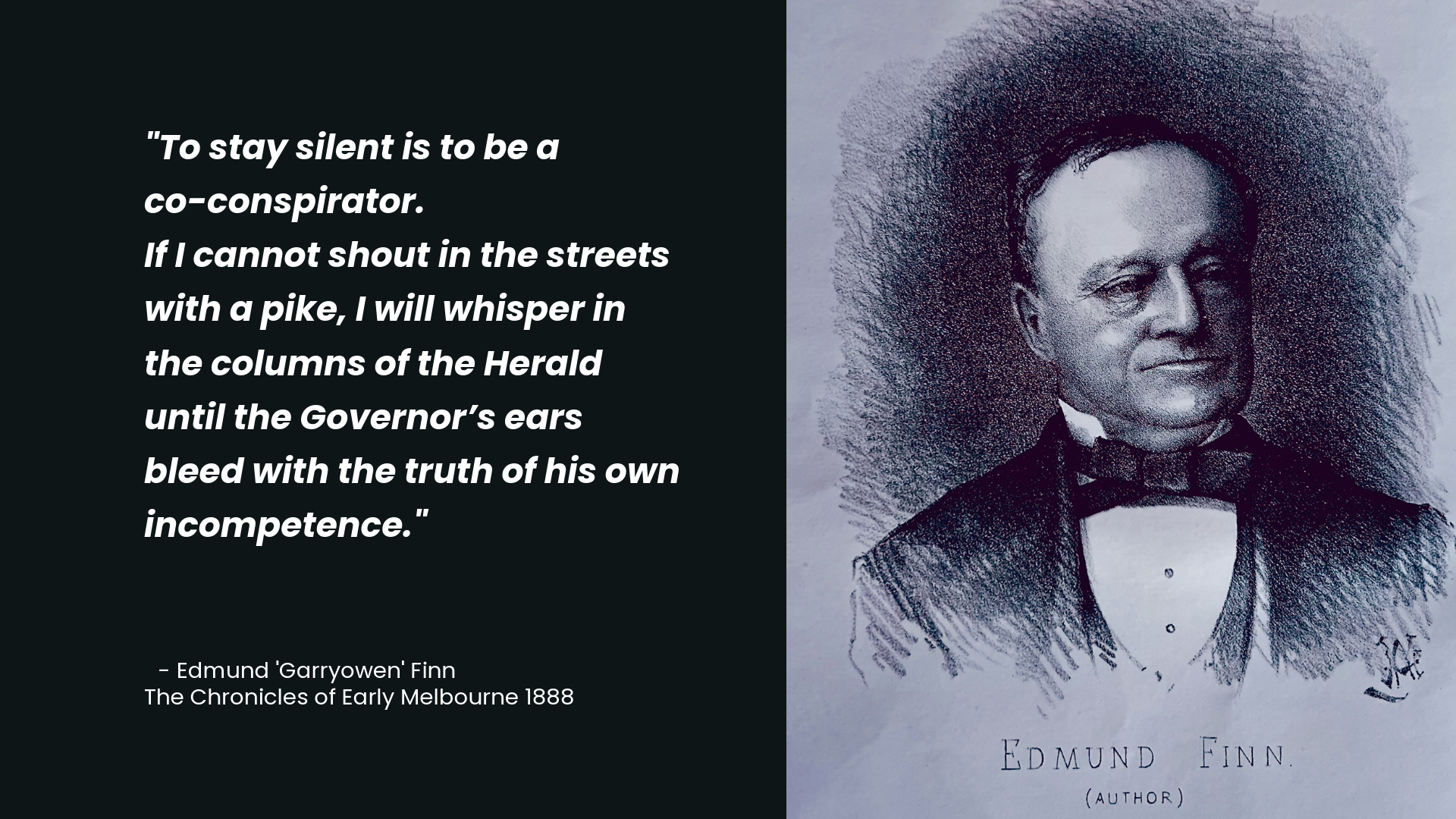
"To stay silent is to be a co-conspirator. If I cannot shout in the streets with a pike, I will whisper in the columns of the Herald until the governor’s ears bleed with the truth of his own incompetence."
Grief For The Loss of Anne
"The house is a hollow drum. To see a mind so bright descend into the grey fog of the asylum is a cruelty no Latin verse can soothe. I am the architect of a city's memory, yet I cannot rebuild the walls of my own home."
On Disgust for Colonial Pomposity
"The 'Gentlemen' of this city are often but gilded ruffians. They wear the silk of the scholar but possess the soul of the slaughter-man. I find more honour in the dust of the docks than in the velvet of the Melbourne Club."
On Irish Orphan Girls Advocacy
"These girls came with nothing but virtue and grief. To treat them as cattle is a sin that cries out to heaven. They are the seeds of a new world, and I will be the fence that protects them."
On Ancestry & Legacy
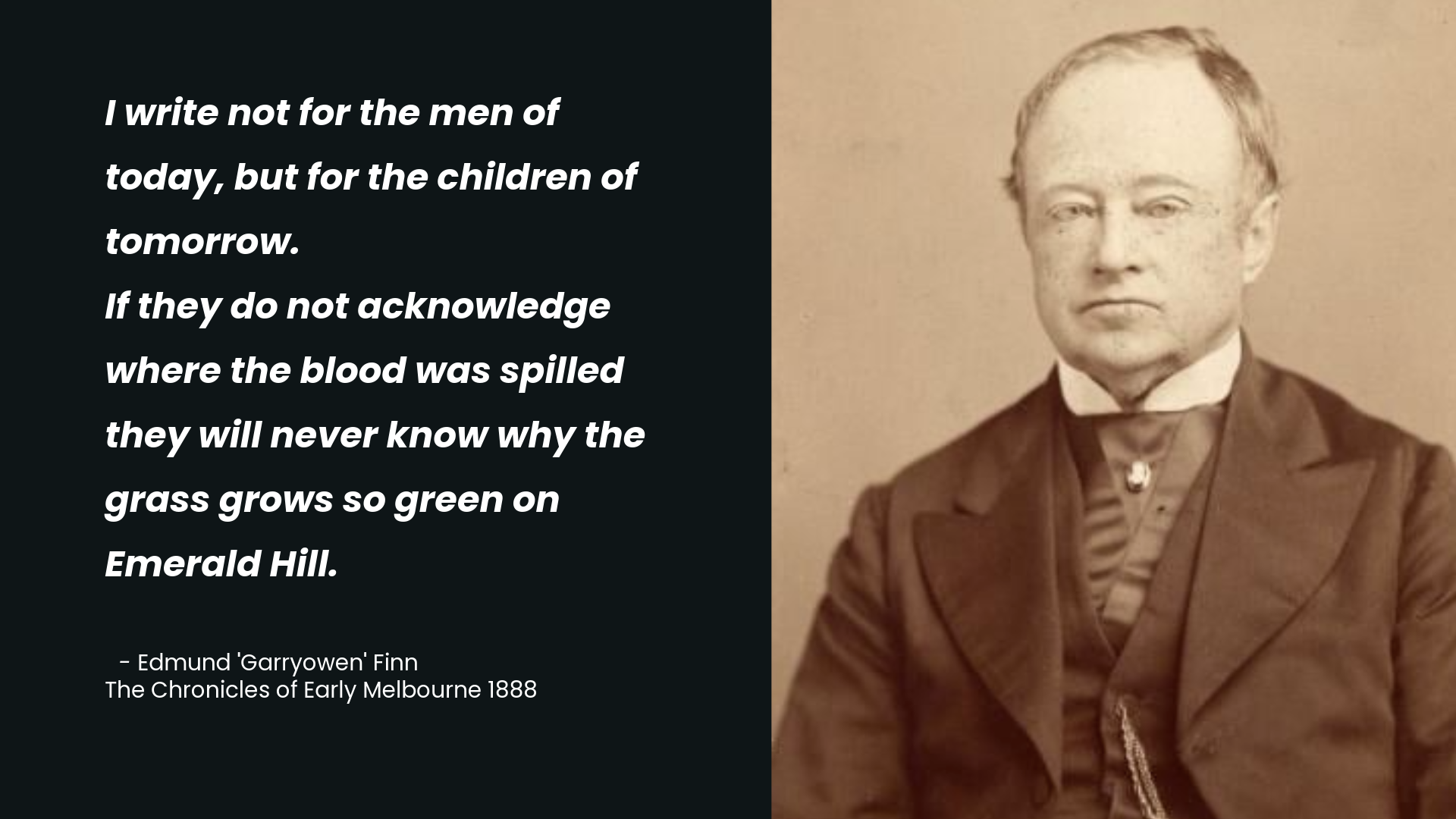
"I write not for the men of today, but for the children of tomorrow. I am leaving a map of the soul of this place. If they do not know where the blood was spilled, they will never know why the grass grows so green on Emerald Hill."
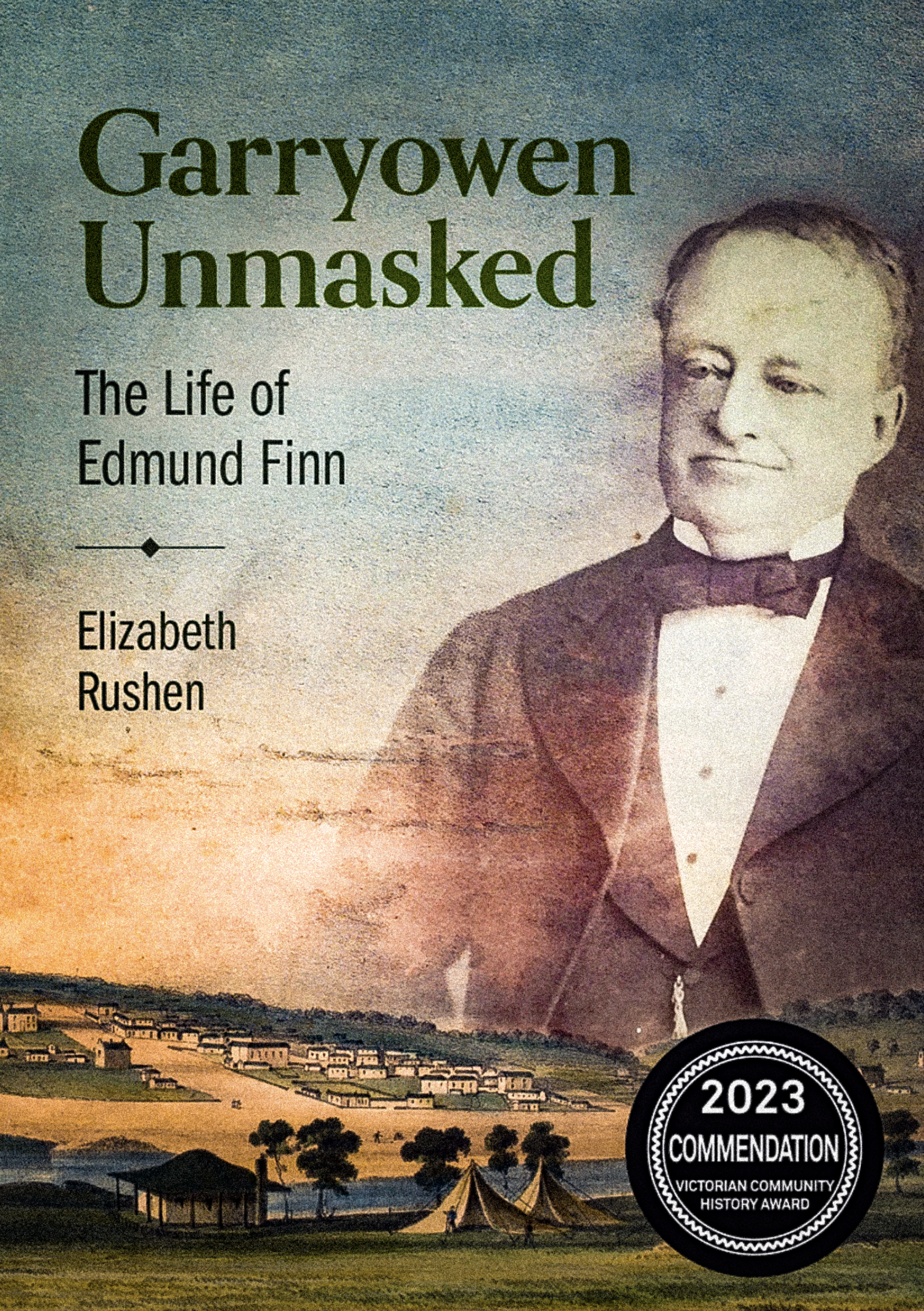
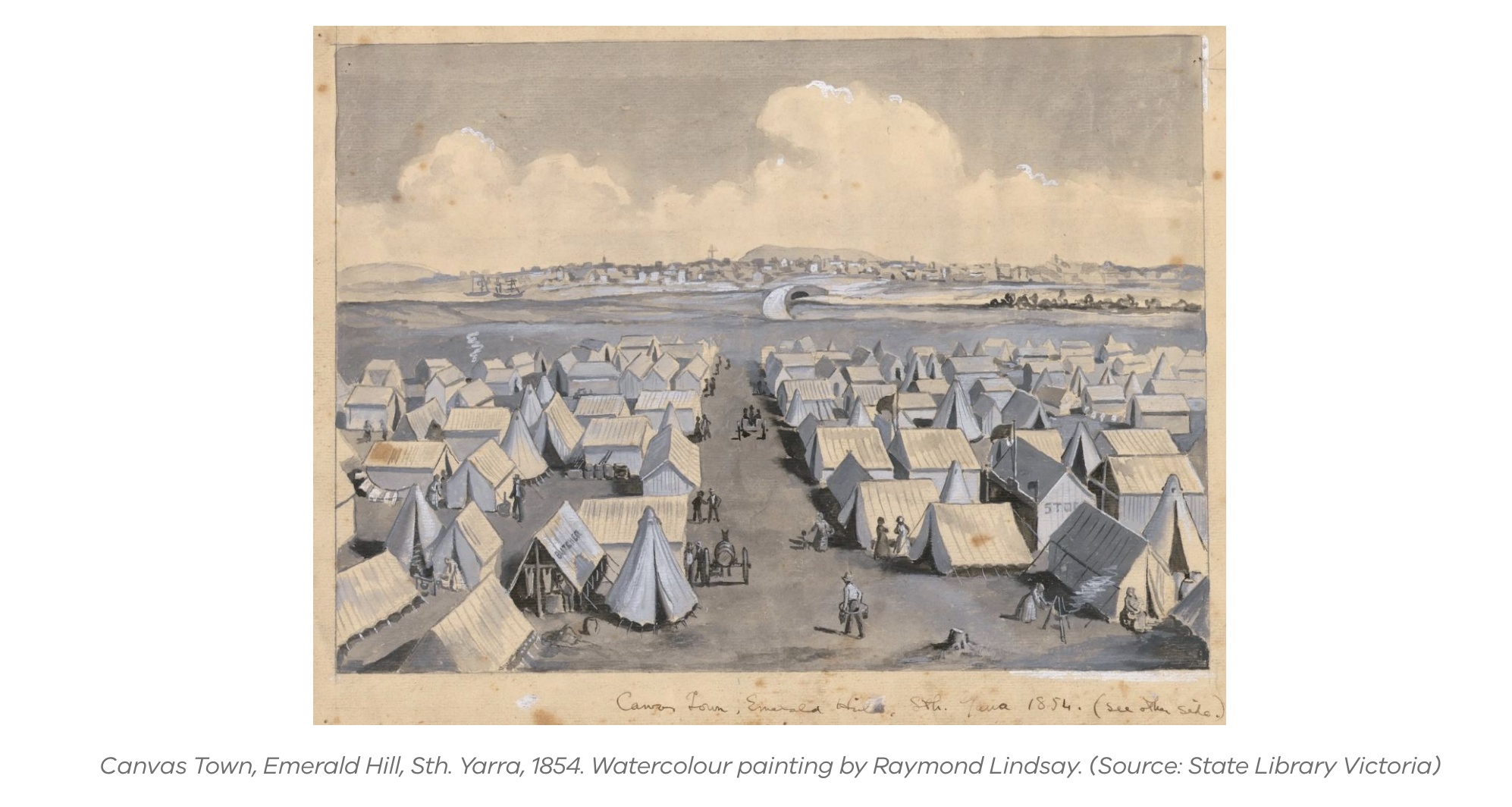

Finn’s monumental act of recording Melbourne’s history is re-rendered as an imperfect, values-driven mission. His physical blindness mirrors a spiritual inability to see the deep-time custodianship of the land. His "City of Mud" is a landscape of moral bankruptcy, where settler society is spiritually sick because it has severed its link to the land's original knowledge.
THE THREE DIASPORAS: THE YEARNING FOR HOME
The story explores the "wandering grief" shared by three distinct groups:
Irish Catholics: Displaced exiles building a city while their souls remain in the Atlantic.
Rabbis : Seekers of a moral anchor in a colony obsessed with gold and land-theft.
First Nations: The sovereign custodians rendered invisible by the colonial map.
Finn is a flawed advocate for these groups. His work is a search for a moral home in a land founded on the "Dark History of Erasure." He realises that true belonging requires the land to be ethically repatriated—governed by ancestral law rather than colonial ownership.
RECLAIMING THE TOPOGRAPHY OF MEMORY
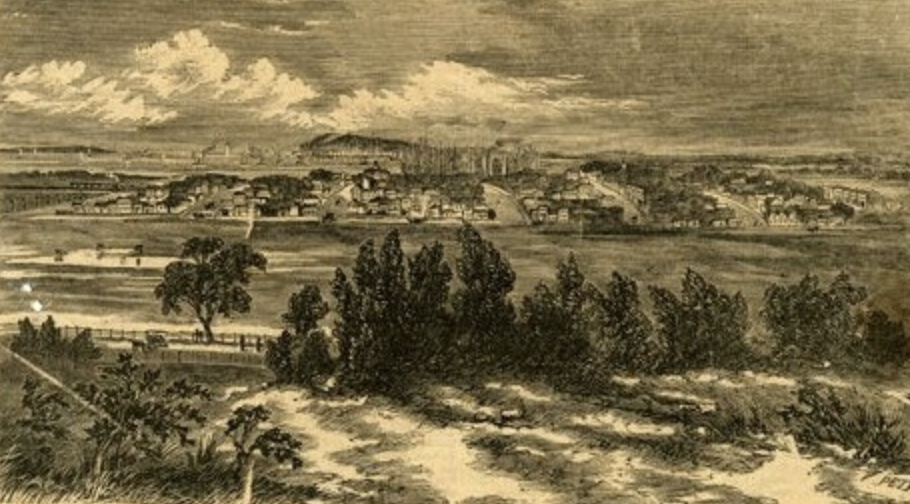
In 1845, Finn named the rise "Emerald Hill." This was a deliberate act of Irish nostalgia—an attempt to transplant a lost "Emerald" onto a landscape that already possessed a sacred identity. This act of erasure is the story’s critical paradox.
Emerald Hill was a traditional social and ceremonial meeting place for Aboriginal, Wurundjeri tribes. Finn’s written record of the "swarthy tribe" being "removed" is treated as a colonial confession. True "brilliance" in this story lies in dissolving the romanticised Celtic veneer to honour the ceremonial memory and Indigenous sovereignty that predates the colonial map.
THE SATIRICAL WARNING
Finn’s early satirical writings, featuring the character Hans Schwartz, reflect his internal struggle with the ethical cost of colonialism. The "mask of exile" allowed Finn to express his disappointment, but ancestral wisdom reveals this dismay is actually the land's own suffering imprinted on the settler’s soul. The domestic instability of the Finn family serves as a spiritual warning:
Can a secure home be built
on stolen ground ?
APPENDIX 2
The Australian Media Hall of Fame
The Melbourne Press Club Inductee
1819 - 1898 | Victoria | journalist
By Martin Flanagan
The Argus said in 1944 that more details are known about the beginnings of Melbourne than most large cities, ancient or modern, because of one man: Edmund Finn.
“ He must have been a raconteur of note since another prominent Irishman in the colony, Sir Charles Gavan Duffy, persuaded him to put his many stories into book form as “an anecdotal history” of Melbourne. Thus was born The Chronicles of Early Melbourne 1835 to 1852 by “Garryowen”
An article about Finn in The Argus newspaper of December 1944, described him as “the Walter Winchell of his time; a merry debunker and candid cameraman”. There is about Finn an undeniable Irishness, both in many of the subjects he described – Melbourne’s first two hurling matches, its Saint Patrick’s day celebrations, its response to the Irish famine of 1846 – but also in the wit and zest of his writing. Parts of what he wrote – eg a mayoral procession where a bull being led to slaughter got away from its owner and charged the mayor – remain funny to this day.
Of the perennial dispute over who founded Melbourne, John Batman or John Pascoe Fawkner, Finn wrote:
“It was not Fawkner, but Fawkner’s party of five men and a woman, and the woman’s cat, were the bona-fide founders of Melbourne.”
“Fawkner was sort of a spoiled child with the old colonists, and even those who thoroughly disliked him, and often repelled his ill-bred arrogance, were ever-ready to concede a large latitude to the man who, by common repute, shared with Batman the honours surrounding the foundation of ‘the settlement’.
Batman was dead, and ‘Johnny’ was not only alive but poking his nose into every public movement, from anti-transportation to separation. The prestige that would have to be divided between him and Batman, had he lived, was not unnaturally claimed by Fawkner, and as he had a finger in every pie, and was jumping about like a squirrel wherever there was anything astir, either at a fire or a public meeting, an election or a street row, a public dinner or a charity sermon, he was accorded a certain toleration which clothed him in a privilege that fell to the lot of no other man.”
Martin Flanagan
Further reading
'The Chronicles of Early Melbourne, VOL 2 1835-1851', by Garryowen.