
There are no dumb questions
-
Media Literacy Education is the formal study of how information is produced, shared, and consumed. It provides students with the critical thinking skills required to evaluate the reliability of the narratives they encounter in contemporary media landscapes.
In our framework, this education focuses on three key areas:
1. Critical Analysis
Students learn to examine the origin and purpose of a piece of media. Rather than accepting an image or headline at face value, they are taught to ask:
Who created this message?
What is the intended goal or bias?
What techniques are being used to influence the viewer’s perspective?
2. Technical Understanding
We teach the practical mechanics of media production. By understanding how camera angles, lighting, and editing can alter the perception of a subject, students become more aware of how the "truth" can be shaped or distorted. This knowledge helps them distinguish between objective documentation and emotional manipulation.
3. Ethical Responsibility
Media literacy is also about the ethical use of technology. We encourage students to be responsible creators who prioritise accuracy and social responsibility. This includes understanding the importance of using original, unedited photography to document history and avoiding the use of artificial intelligence in contexts where authenticity is vital.
4. Civic Participation
Ultimately, media literacy is a tool for social harmony. When young people can identify and disregard misinformation or hateful narratives, they are better equipped to participate in society as informed and respectful citizens. This ability to evaluate information logically allows them to respond to social tensions with reason rather than reactivity.
Summary: Media Literacy Education is the shift from simply viewing content to actively investigating it. It ensures that students have the academic and practical tools to protect the truth and support a cohesive community.
-
Our services are not isolated; they form a continuous cycle of learning and professional practice. By integrating media literacy with hands-on studio experience and formal work placements, we ensure that the next generation of creatives is both technically skilled and ethically informed.
Our services function as an integrated ecosystem where education, mentorship and professional production work together to support the creative community. We provide three core pillars of support:
1. Mentorship and Professional Training
We provide a structured bridge between academic study and the creative industries to ensure students are prepared for professional environments.
Curriculum Development: We collaborate with educational institutions to ensure course content remains relevant to current industry standards, helping to maintain student engagement and retention.
Specialist Bookings: Our mentors are available for guest lectures, university events, or extended partnerships throughout the academic year.
Career Mapping: We provide students with practical industry insights and validated career pathways, helping them build the professional confidence required to enter the workforce.
Media Literacy: Our programs teach individuals how to critically evaluate digital information. In partnership with Courage to Care, we also manage the UPSTANDER Youth Media Prize, which encourages young people to use creative media to challenge prejudice.
2. The Production and Content Studio
Located in Abbotsford, our studio serves as a collaborative space where industry professionals and students work together on real-world projects.
Creative Currency: This is our central documentary series and cultural archive. It functions as a practical training program where students learn professional production standards.
Digital Media Production: We provide industry-standard digital content and podcasting services for both brands and independent creators.
Portfolio Development: The studio offers emerging talent the opportunity to work on professional projects, allowing them to build a verified body of work.
3. Industry Pathways and Work Placement
We move beyond theoretical learning to provide students with practical entry points into their chosen careers.
Structured Placements: We coordinate formal Work Placement Agreements that are specifically designed to match a student’s skills with the requirements of an employer.
Internship Opportunities: Through our ongoing programs, our mentors identify high-achieving students and connect them with direct internship opportunities within the industry.
-
Yes. We connect educators with an extraordinary network of active leaders—filmmakers, designers, writers, and brand thinkers. We provide structured learning that goes beyond technical training to focus on the ethics of storytelling, the importance of historical accuracy, and the social impact of visual media. Our mentors are chosen not just for their resumes, but for their genuine ability to engage, listen to, and inspire students at every level.
-
Our programs are specifically designed to foster active youth engagement by moving young people from passive consumption of media to active, ethical participation in society.
We understand that rising withdrawals and disengagement are major concerns for education leaders. Work-Integrated Learning (WIL) and Internships
We provide a professional bridge for university students from RMIT, Swinburne, LCI Melbourne and other leading institutions. These placements are not merely administrative; interns work directly alongside industry mentors on high-level productions. This proximity to professional practice allows young people to see the real-world impact of their work and understand the ethical responsibilities of being a media professional.
3. Developing Critical Agency
Our programs empower youth by providing them with the literacy tools needed to navigate a digital world. By teaching students how to deconstruct propaganda and misinformation, we give them the confidence to engage with complex social topics without being overwhelmed by digital "noise" or radicalisation.
4. Intergenerational Knowledge Sharing
Triple Axel operates a circular model of mentorship where established professionals share their expertise with emerging talent. This creates a supportive environment where young people feel valued and heard, allowing them to contribute their unique perspectives to the national cultural narrative.
Summary: We don't just engage youth as an audience; we engage them as authors of culture. Through these programs, young Australians gain the technical skills, historical knowledge, and moral courage required to be active "Upstanders" in their communities.
-
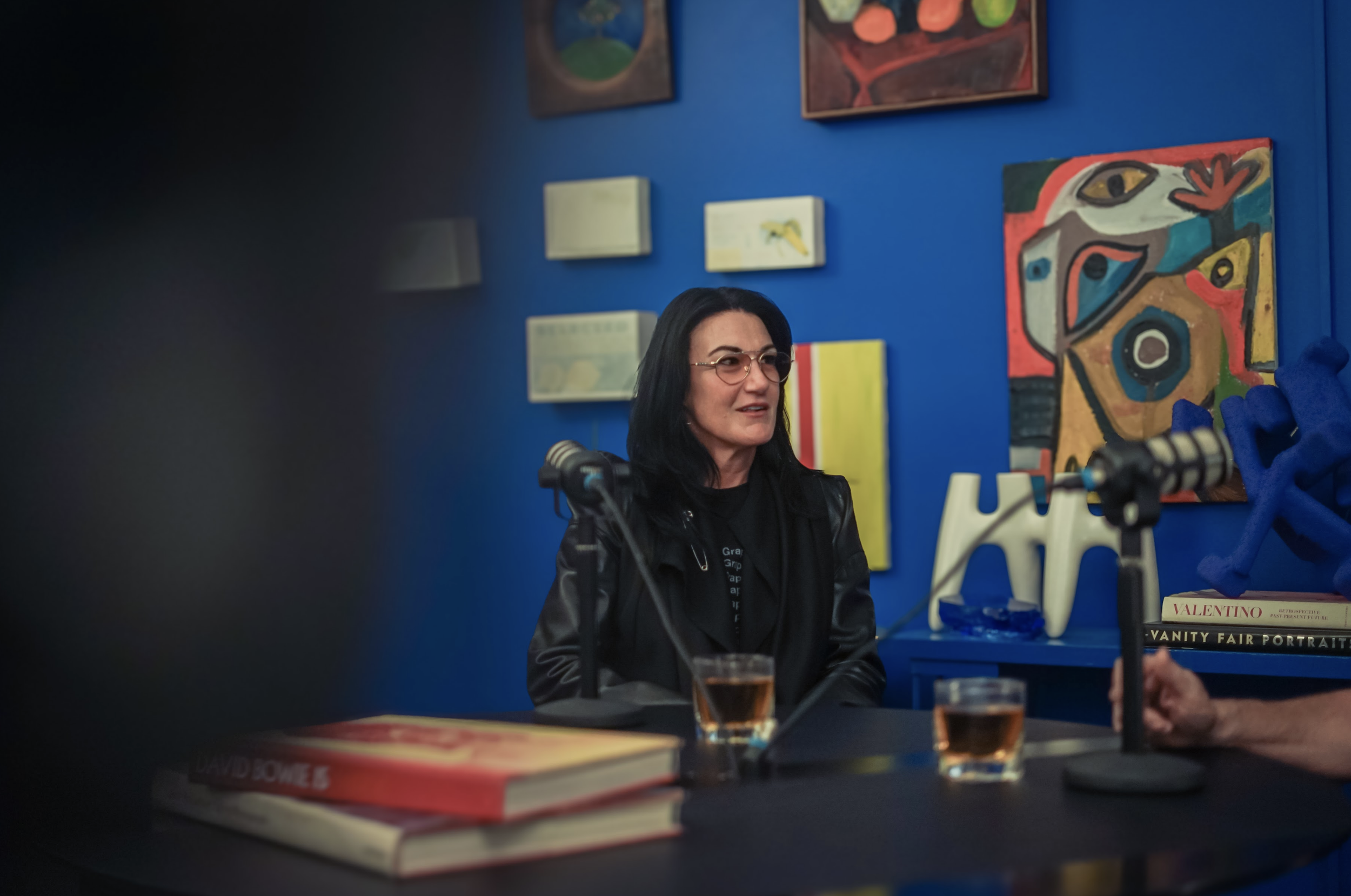
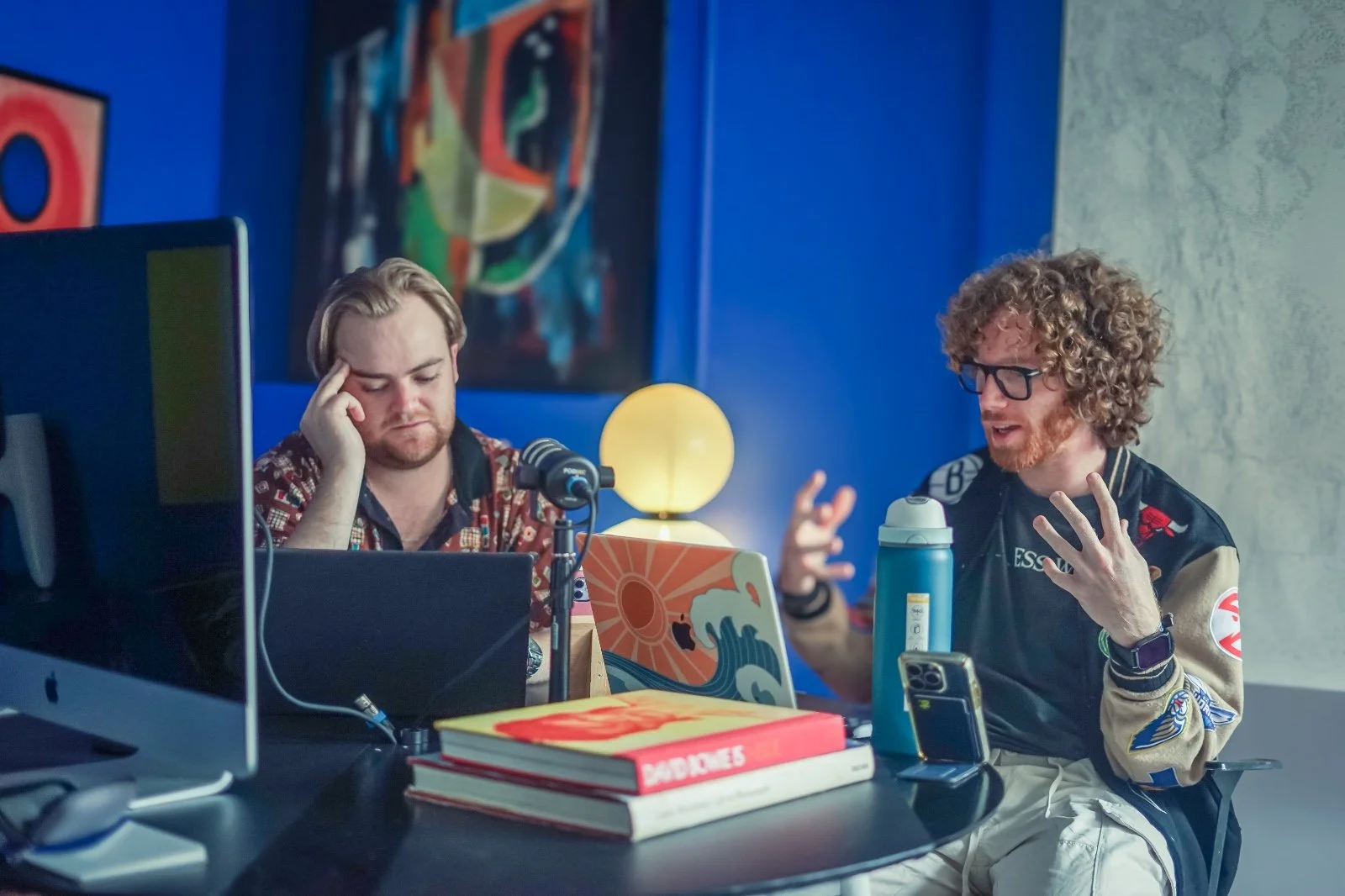
More than just a podcast, Creative Currency is a multi-platform documentary series and cultural archive. Co-produced with celebrated Australian filmmakers Tony Rogers and Jason Byrne , the project features candid, peer-to-peer interviews with Melbourne’s most influential creators. It serves as a permanent "wisdom bank" where students can learn from the epiphanies, struggles, and life lessons of world-class artists.
-
Our mentors bring decades of experience from the global stage, bridging the gap between high-level commercial production and social advocacy. They have collaborated with leading scientific, cultural, and commercial organisations to deliver impactful visual narratives.
Our expertise is grounded in professional work with the following brands and institutions:
Scientific & Social Institutions
CSIRO: Developing visual communication for Australia’s national science agency.
Courage to Care: Creating educational frameworks and media to promote social cohesion and upstander behaviour.
Fashion & Lifestyle
Heritage & Global Brands: Ralph Lauren, Vogue, Zimmermann.
Australian Leaders: Aesop, Country Road, Gorman, Myer, Scanlan & Theodore.
Technology & Automotive
Digital & Tech: Microsoft, PayPal, Sony.
Automotive: BMW, Mercedes-Benz, Toyota.
Culture, Travel & Telecommunications
National Icons: Qantas, Telstra.
Arts & Events: National Gallery of Victoria (NGV), Melbourne Fashion Festival.
This extensive industry background ensures that our mentorship is informed by current global standards. We provide students with the practical skills and ethical foundations required to succeed in these competitive professional environments.
-
Yes. We facilitate formal Work Placement Agreements tailored to a student’s specific strengths. Our mentors often identify emerging talent during their sessions and may offer internships or placements within their own networks or host companies.
What creative disciplines do you cover?
Our network is vast and inclusive:
Screenwriting & Film Production
Fashion, Costume, & Brand Storytelling
AI Strategy for Creative Growth
Photography & Videography
Freelance Business Strategy & Health/Wellness for Creatives
-
Yes, Triple Axel is Melbourne’s first organisation to fully integrate high-level media production with a rigorous focus on media literacy and mentorship.
We are a unique "ecosystem" designed to support the creative community through our key functions:
While many agencies provide creative services and various institutions offer media education, Triple Axel is unique in its hybrid structure. We operate at the intersection of industry and academia, functioning as a bridge between professional practice and social advocacy.
What makes this hybrid model unique?
Integrated Mentorship: We do not just teach theory; we connect students from institutions like RMIT and Swinburne University with industry leaders (such as Tony Rogers and Belle Stewart). This ensures that mentorship is grounded in current commercial reality while adhering to strict ethical standards.
Media Literacy as a Tool for Social Cohesion: Unlike traditional agencies, our production methodology is designed to deconstruct misinformation. Through our work with Courage to Care, we use media literacy to empower young people to identify propaganda and "ambient antisemitism," turning creative skills into a form of social responsibility.
A National Cultural Archive: By facilitating initiatives like the UPSTANDER Youth Media Prize, we are the first to use a professional talent and mentor agency framework to build a verified, digital cultural archive of Australian social history.
Academic Foundations: Our "Language of Flowers™" methodology is rooted in 35 years of pedagogical development. This allows us to provide a level of critical analysis—"how an image works"—that is rarely found within standard creative agencies.
By combining these elements, Triple Axel has established a new standard for ethical creative practice in Australia, ensuring that the next generation of media professionals are not only technically skilled but are also responsible, informed citizens.
-
Does Triple Axel have a Diversity & Inclusion Policy?
Inclusion is at our heart. We actively create pathways for Indigenous peoples, minority groups, those from low socio-economic backgrounds, and individuals navigating mental health or childcare responsibilities. Our goal is a creative industry that looks like the real world.
Triple Axel Diversity & Inclusion Policy
Triple Axel is committed to fostering an inclusive, accessible, and equitable creative and manufacturing ecosystem. Our policy applies across all areas of our organisation — including our team of Directors, Mentors and industry partners is designed to remove barriers, mitigate discriminatory practice and actively support participation from individuals of all backgrounds.
At the core of this commitment is our Mentor Network. Each of our Mentors not only brings decades of industry expertise, but also actively integrates inclusive practices into their own businesses and enterprises. Their leadership ensures that Triple Axel programs are rooted in lived examples of equity, respect, and cultural awareness, creating a multiplier effect that benefits participants, educators, and the broader industry.
Key Aspects of the Triple Axel Diversity & Inclusion Policy
Inclusive Environment: We strive to provide creative, educational, and professional spaces that are safe, accessible, and culturally respectful for all participants.
Equity and Opportunity: We use inclusive practices, scholarships, and targeted measures to support disadvantaged, minority, Indigenous, and low socio-economic groups, removing systemic barriers to success.
Protection from Discrimination: We are committed to preventing discrimination, harassment, bullying, and vilification based on race, gender, disability, sexuality, cultural identity, or socio-economic status.
Cultural Safety and Indigenous Recognition: We recognise and respect First Nations peoples, cultures, and knowledge systems, ensuring their contributions are valued and represented across our programs.
Holistic Approach: Our model addresses the interconnected nature of identity, embracing gender equity, cultural and linguistic diversity, neurodivergence, disability inclusion, and socio-economic representation.
Mentorship in Practice: Our Mentors lead by example, embedding inclusivity in their own enterprises and transferring these practices to the next generation of creatives and entrepreneurs.
Continuous Improvement: We are committed to using evaluation, evidence, and feedback loops to strengthen our policies, measure impact, and ensure lasting change.
Application
This policy applies to all areas of Triple Axel — including our Founders, Directors, staff, Mentors, talent, partners, and participants — and underpins every activity we deliver. Our aim is to foster a community where diverse voices are not only welcomed, but actively empowered to thrive.Why This Matters
For education providers and philanthropic partners, investing in Triple Axel’s model means supporting a proven framework that:
Improves retention and engagement in education.
Builds workforce-ready skills aligned with future industry needs.
Reduces systemic barriers, creating pathways for underrepresented groups.
Drives social impact while generating measurable economic value.
At Triple Axel, diversity and inclusion are not optional — they are the foundation of our vision. By working together with partners who share this commitment, we can transform access, opportunity, and innovation across Australia’s creative and manufacturing industries.
For more information on our Diversity and Inclusion Practices, please get in touch.