Media Literacy Education empowers young people to shift
from passive consumption to purposeful agency.
TRIPLE AXEL’S Media Literacy ProGRAM is a long-term initiative designed to address serious CHALLENGES IN TODAY’S MEDIA LANDSCAPE.
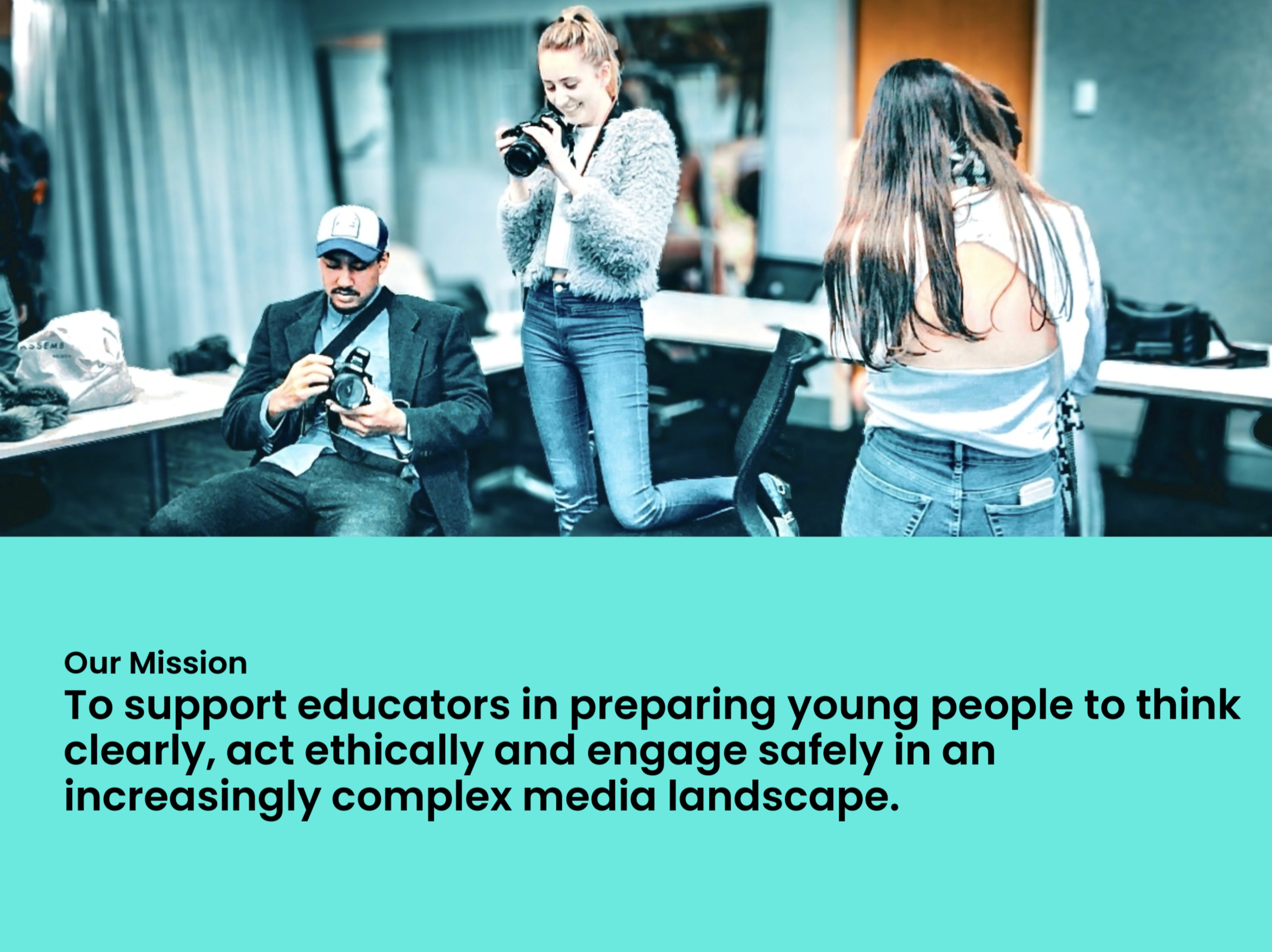
Media literacy EDUCATION is a critical safeguard against prejudice-driven narratives
By teaching MEDIA LITERACY IN A CREATIVE FRAMEWORK DELIVERY
WE EQUIP YOUTH WITH the skills TO:
Interrogate misinformation before consuming it
Understand how visual and cultural codes influence perception
Create content that promotes empathy, accountability and inclusion
we equip young people to recognise harmful media campaignS
By teaching them how to produce and launch their own media campaign.
Decode.
Deconstruct.
Build.
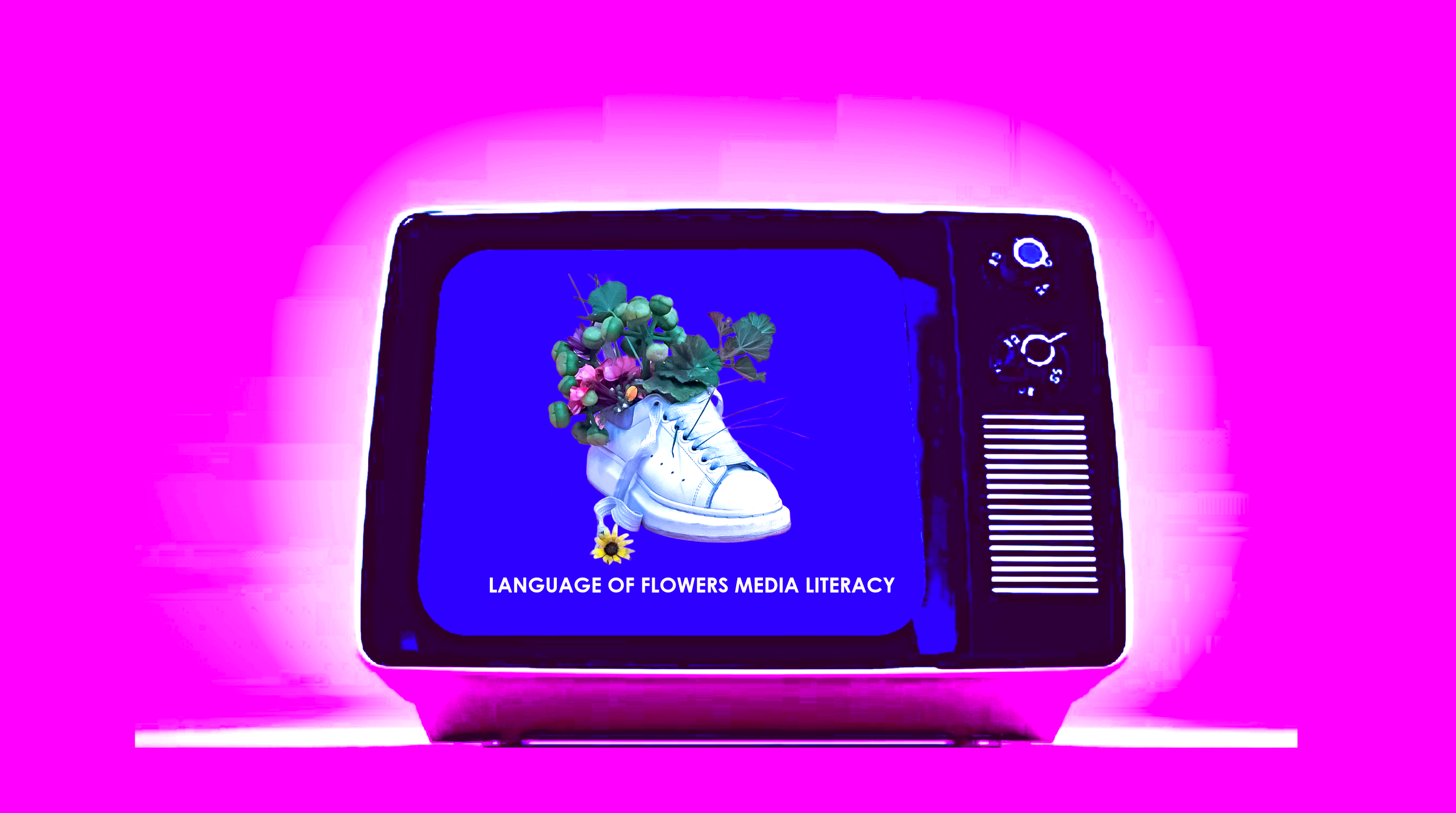
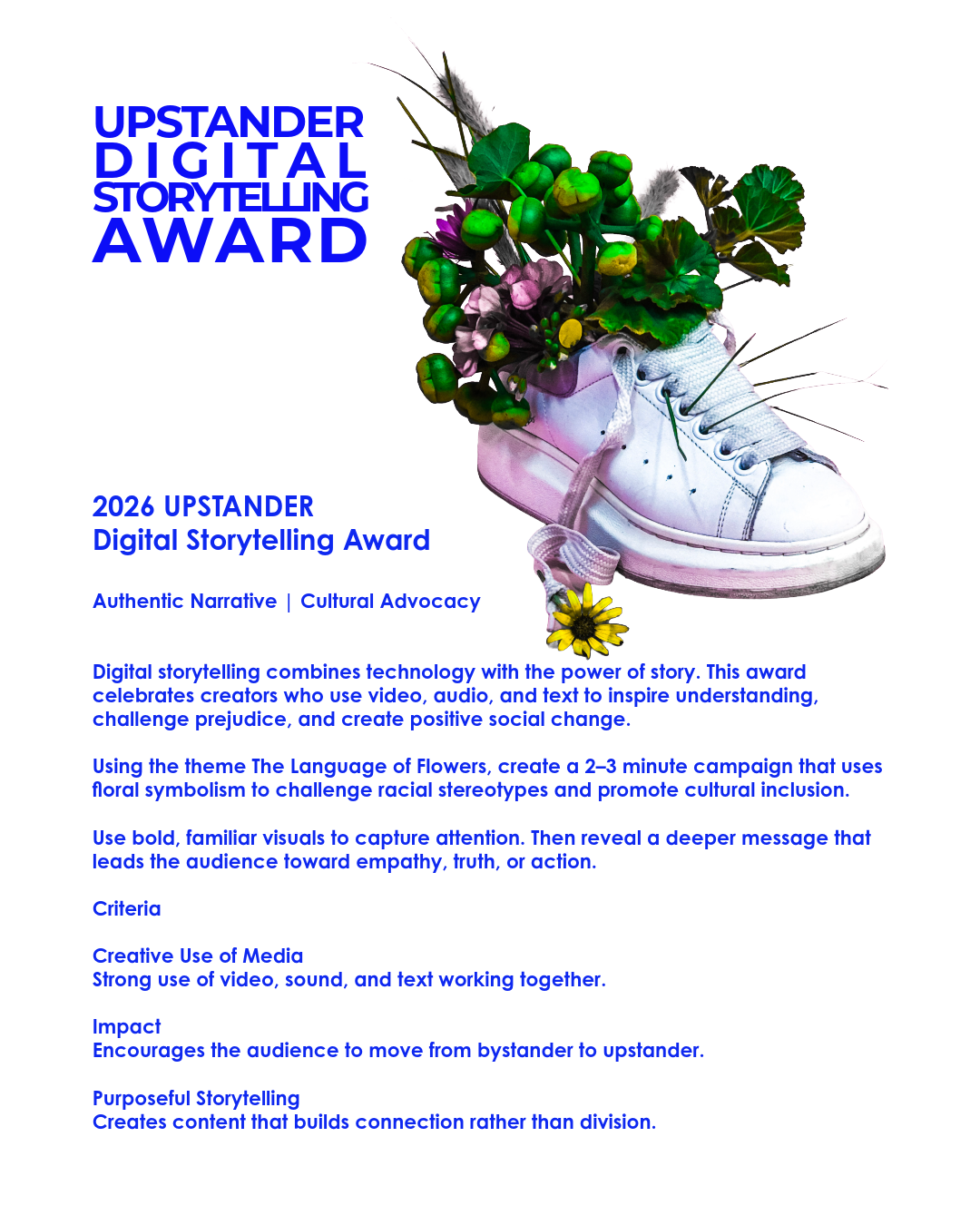
UPSTANDER AWARDS 2026
PROJECT THEME
‘The Language of Flowers’
Social Cohesion, Cultural Empathy & Agency
FLORIOGRAPHY
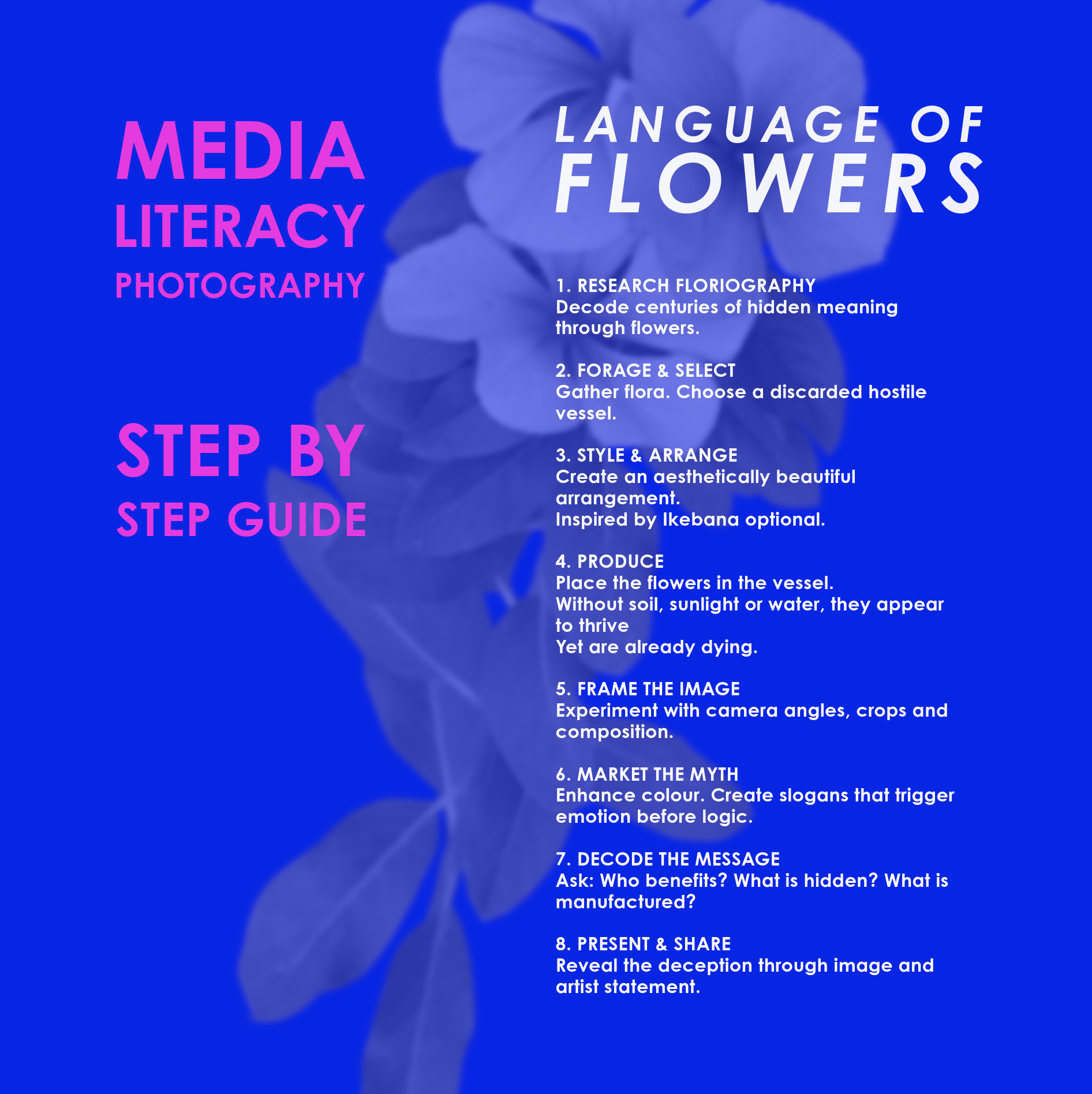
‘The Language of Flowers’ methodology
Floriography provides tools for communicating difficult emotions and unpacking challenging content.
Floriography - the language of flowers
- is an ancient system of coded communication, where arrangements carry layered meaning.
Found across cultures in Europe, Asia, India and Africa, it offers a framework for decoding how meaning is constructed, signalled and interpreted.
Floriography provides tools for communicating difficult emotions and unpacking challenging content.

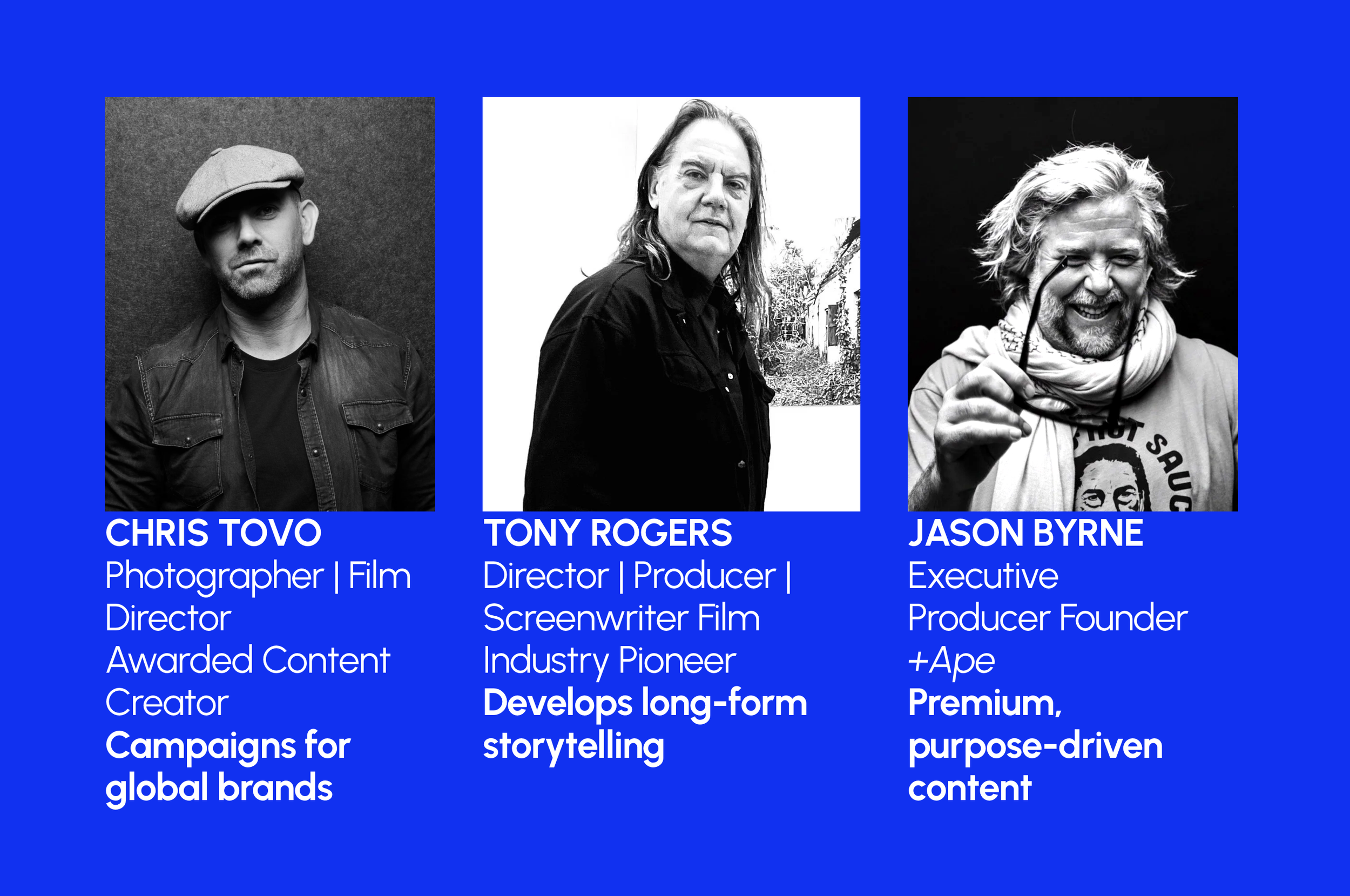
Guided by LEADING ADVERTISING CAMPAIGN
Industry Professionals
The Upstander Project equips young people with current media strategies.
We teach how to decode harmful narratives
And create content that promotes empathy, accountability and inclusion.
DECODING THE LIE
Photography & ‘The Beautiful Lie’ Theory
Students encounter hundreds of images each day.
Digitally manipulated images designed to trigger an emotional response.
The narrative is consumed before it is questioned.
This project is designed to elicit intention and responsible action.
Core Pillars
• Equip youTH with the skills to identify manipulation, hidden messaging and bias.
• Shift from passive bystander behaviour to responsible agency upstander
• Replace emotional reaction with critical thinking and informed response.
• Creativity as a tool for inclusion, empathy and social cohesion.

ENGAGE, DISCOVER, GROW
Deconstruct Misinformation: Understand the internal construction of false narrative to build cognitive resilience.
Combat the Erosion of Empathy: Recognise how selective framing and contextual manipulation are used to promote division.

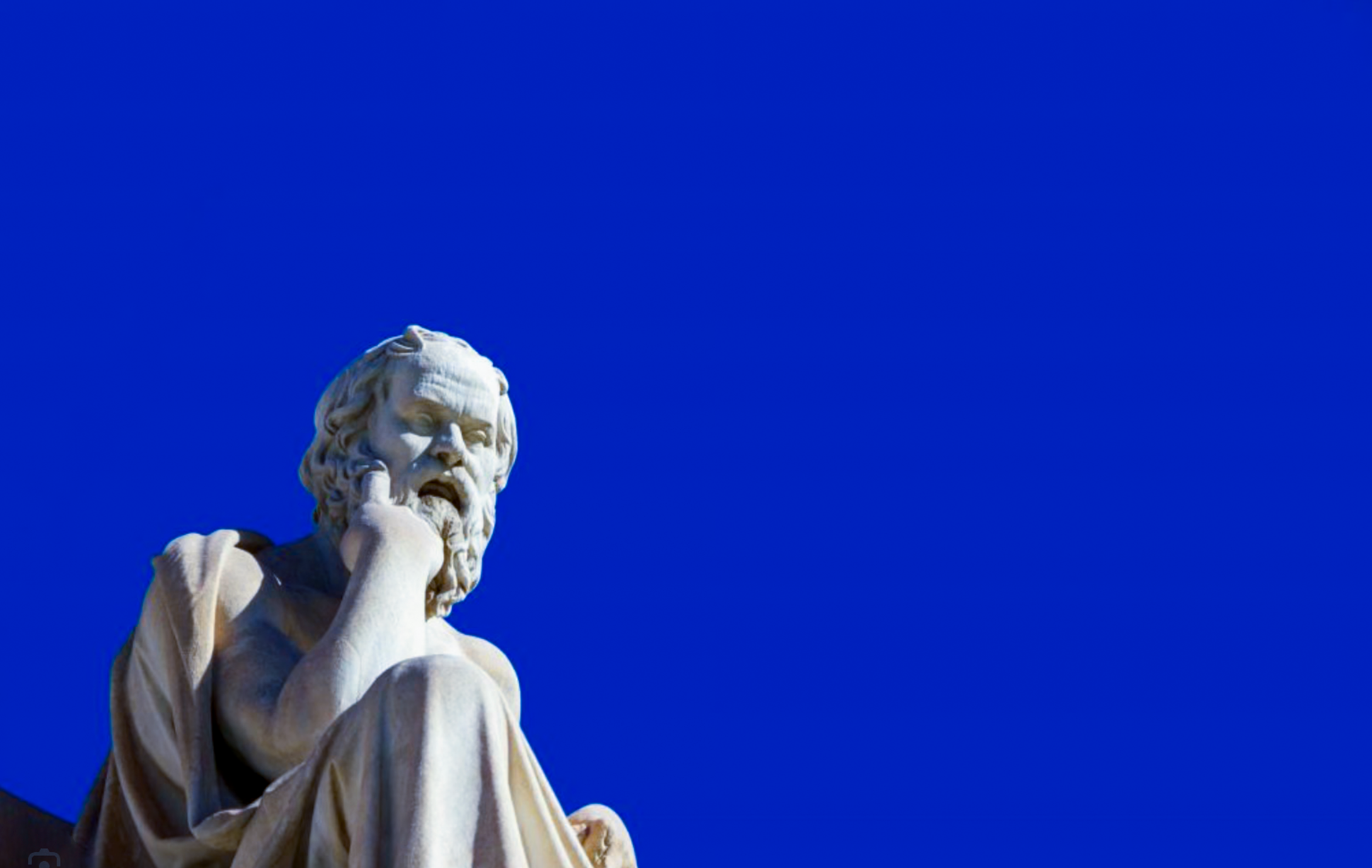
The Socratic Method
Through structured dialogue and carefully framed questions:
We do not lecture.
We engage in meaningful dialogue.
In a ‘Brave Space’ of deep inquiry and ‘productive discomfort’
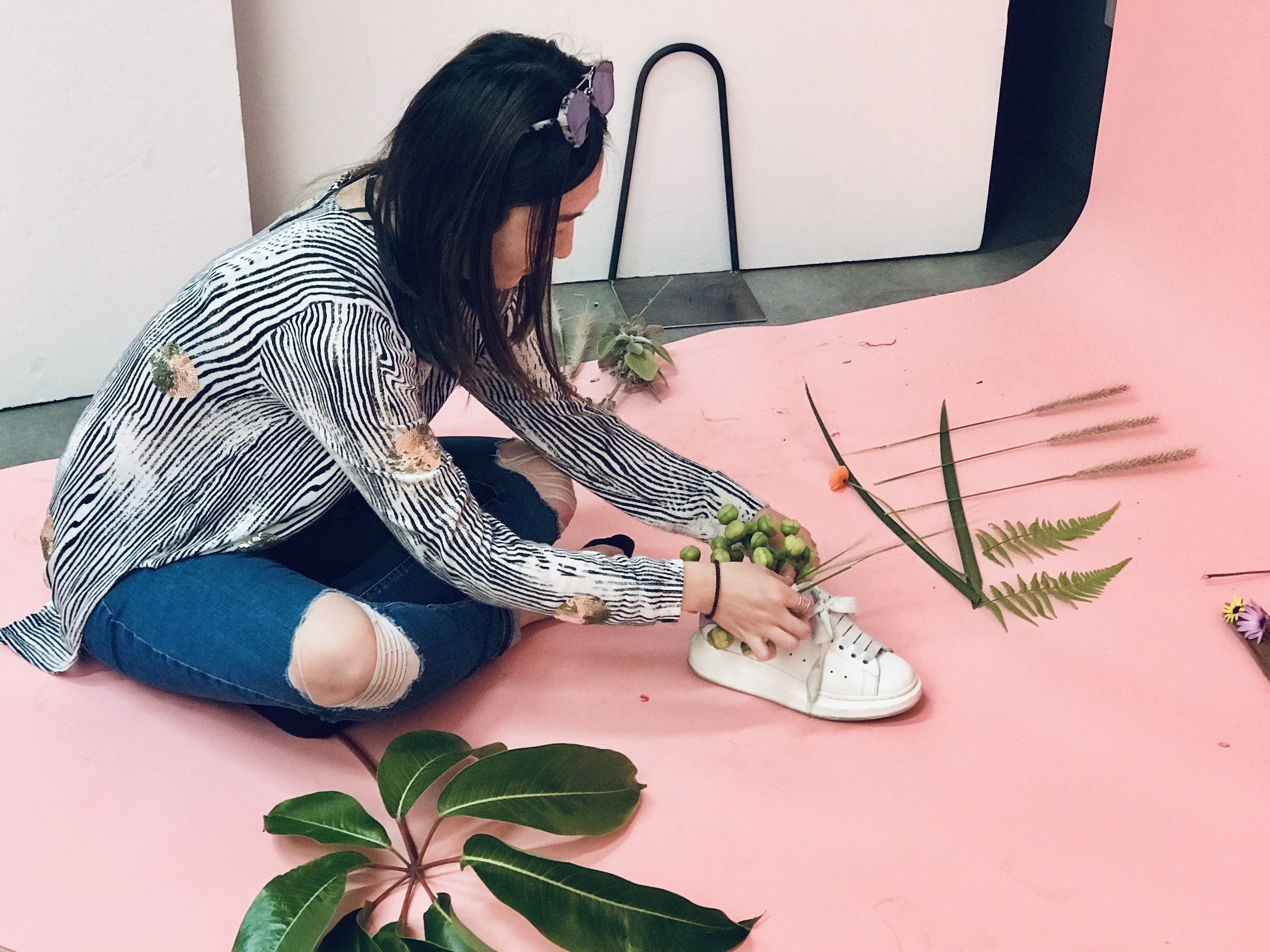
From Passive Consumption to Analytical Agency
Findings from our Decoding the Beauty Myth Project (RMIT University 2017 - 2019)
show a clear link between mechanical literacy and student wellbeing
WITH measurable gains in cognitive and emotional health.
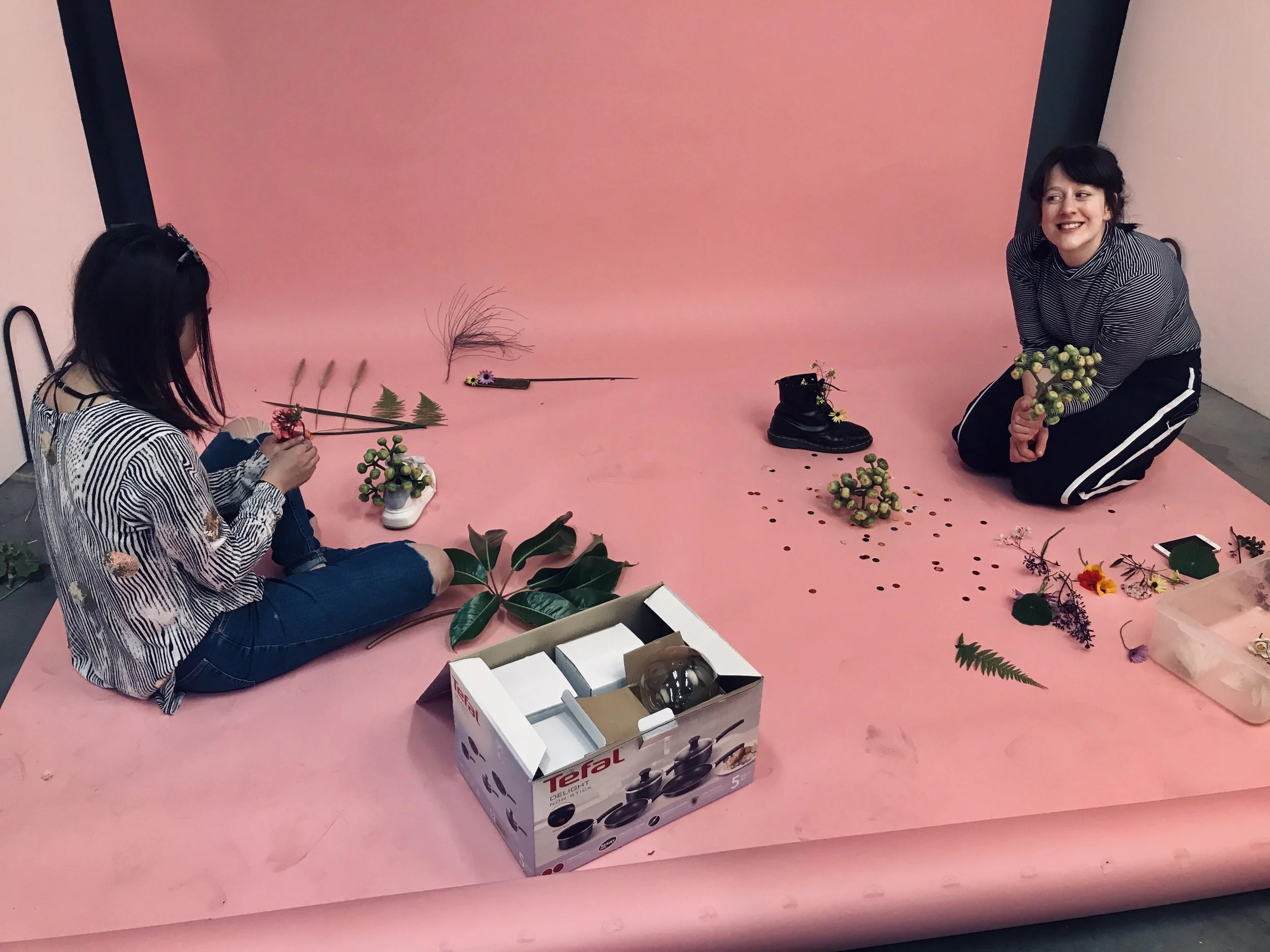
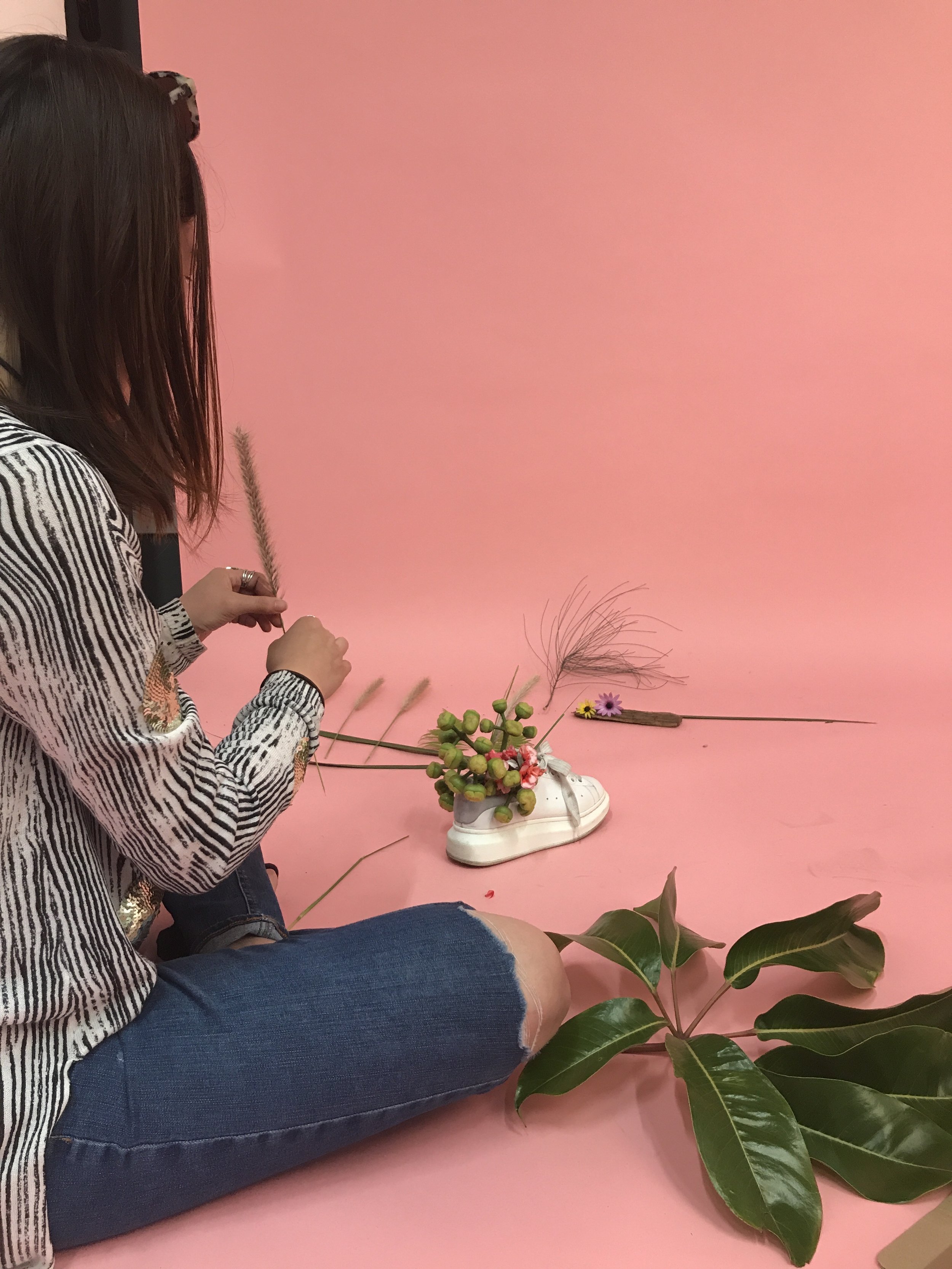
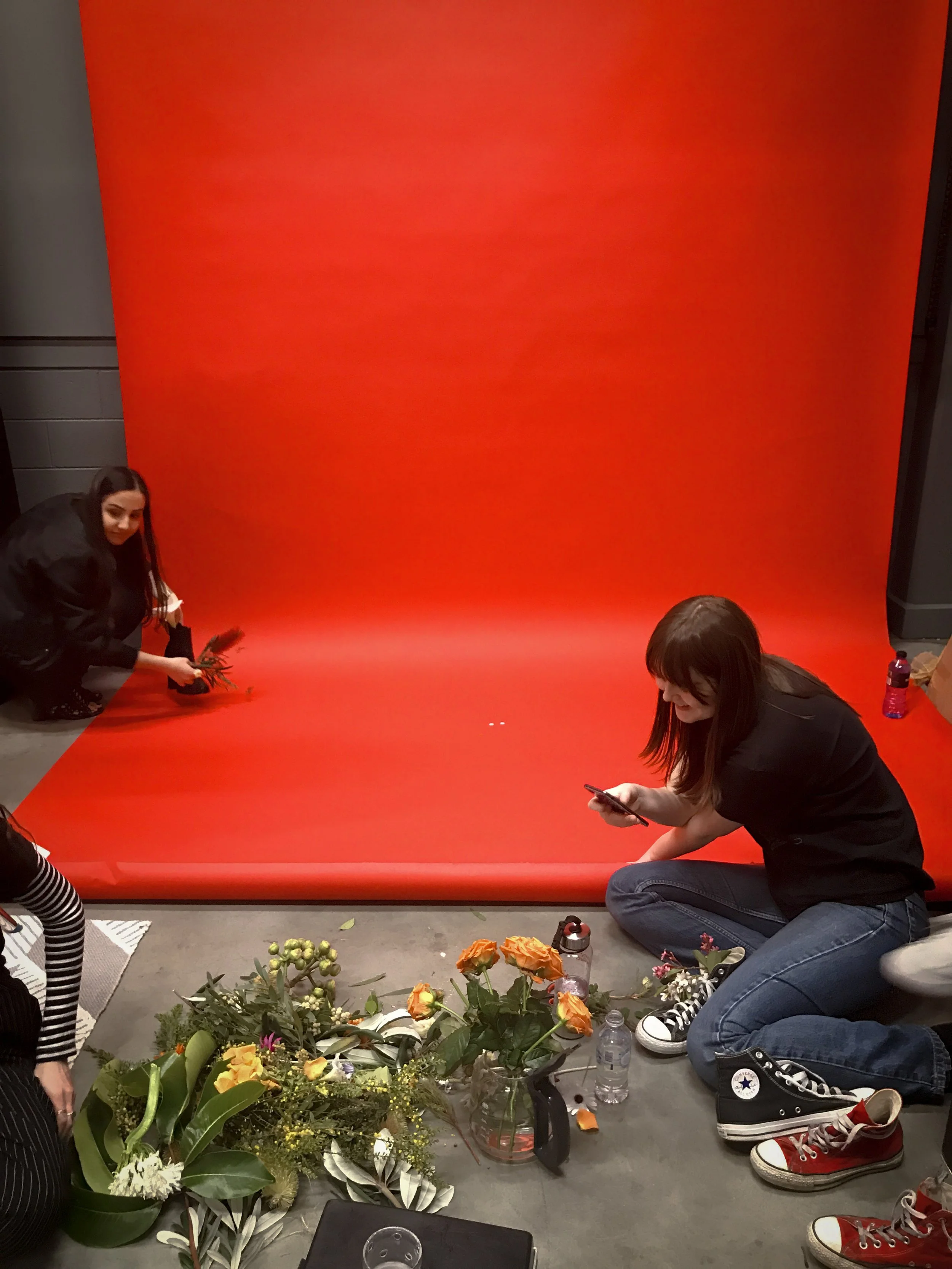
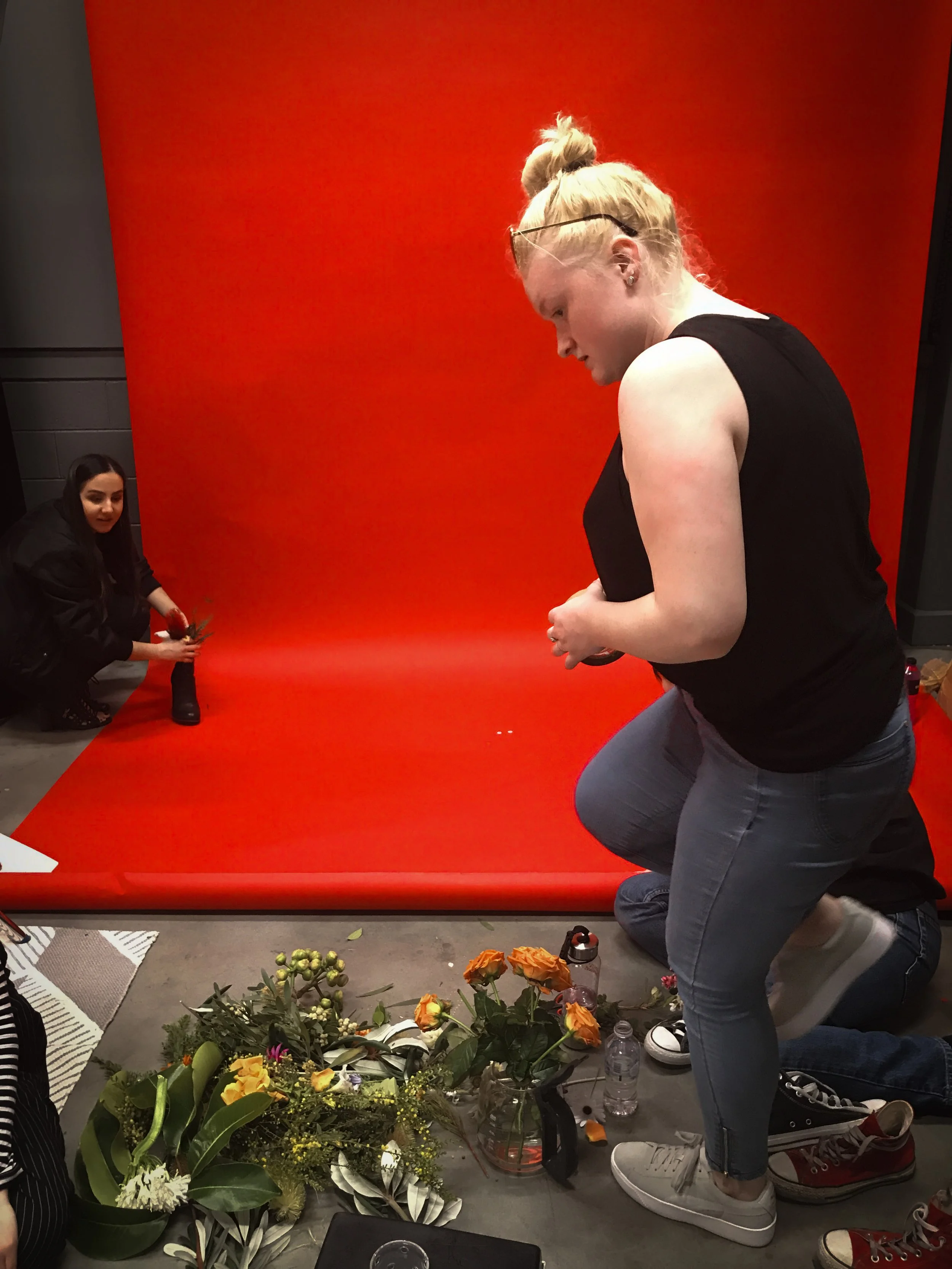
Co-Design Methodology
Traditional instruction positions learners as passive observers of their own culture.
Co-design shifts this dynamic.
By engaging learners as active participants rather than consumers, we create the conditions for higher-order thinking.
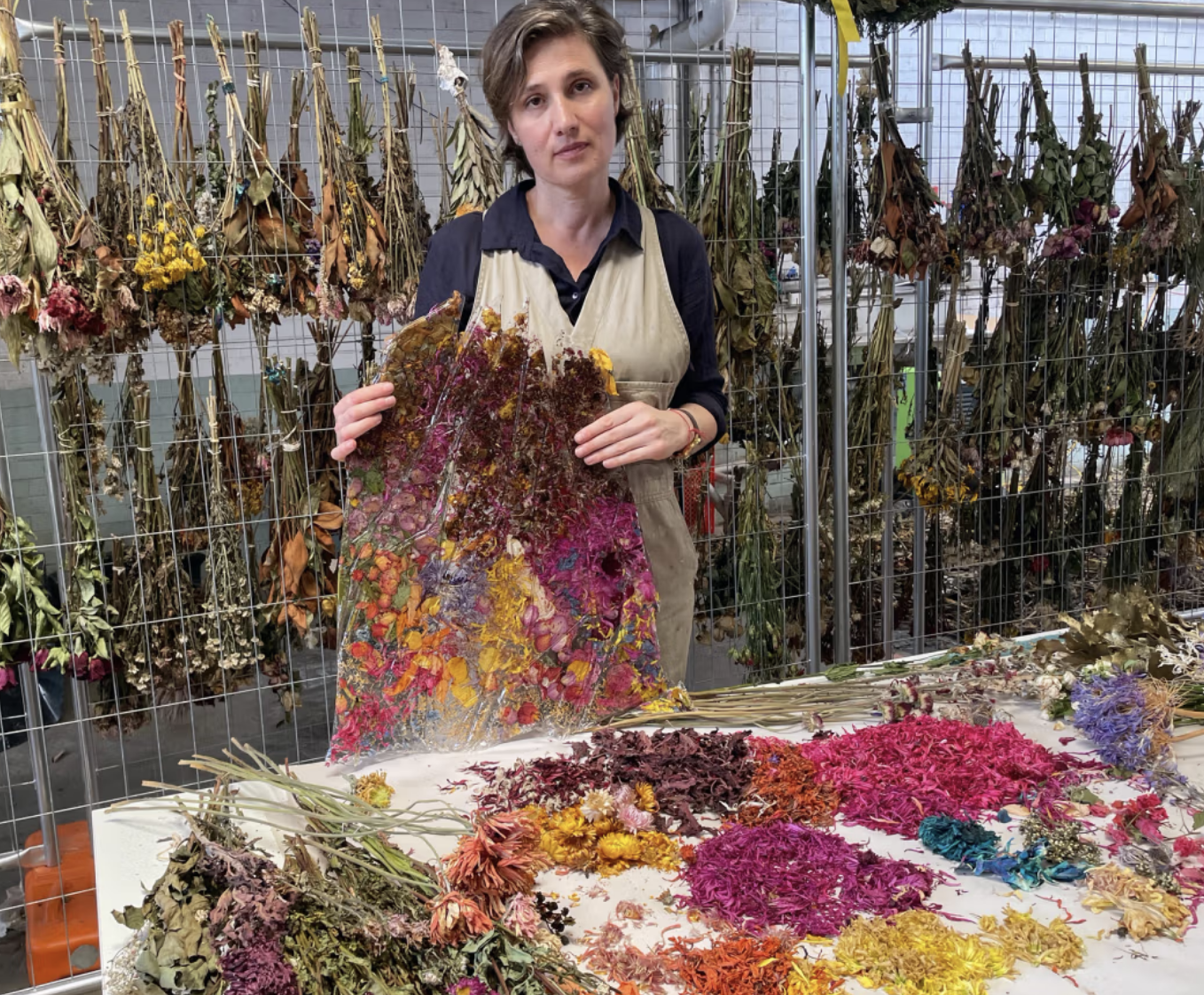
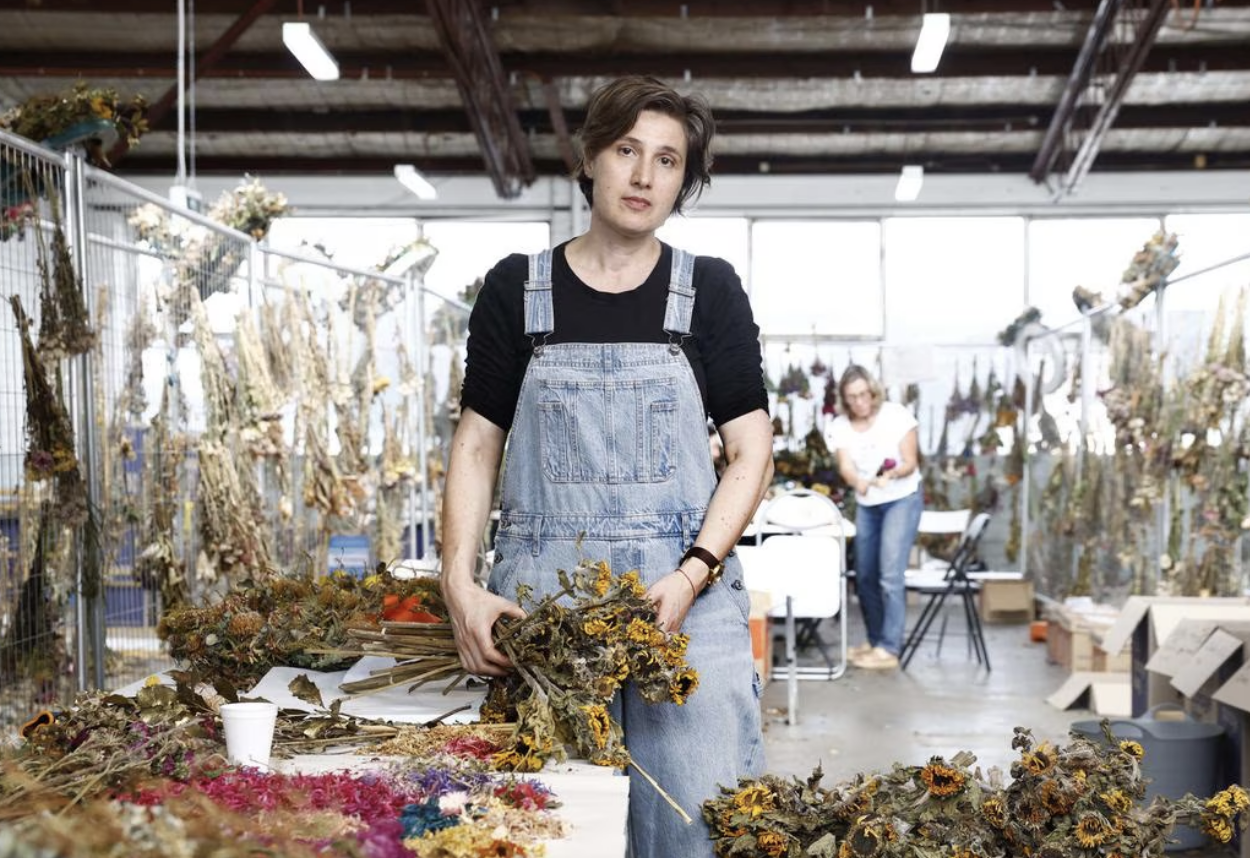
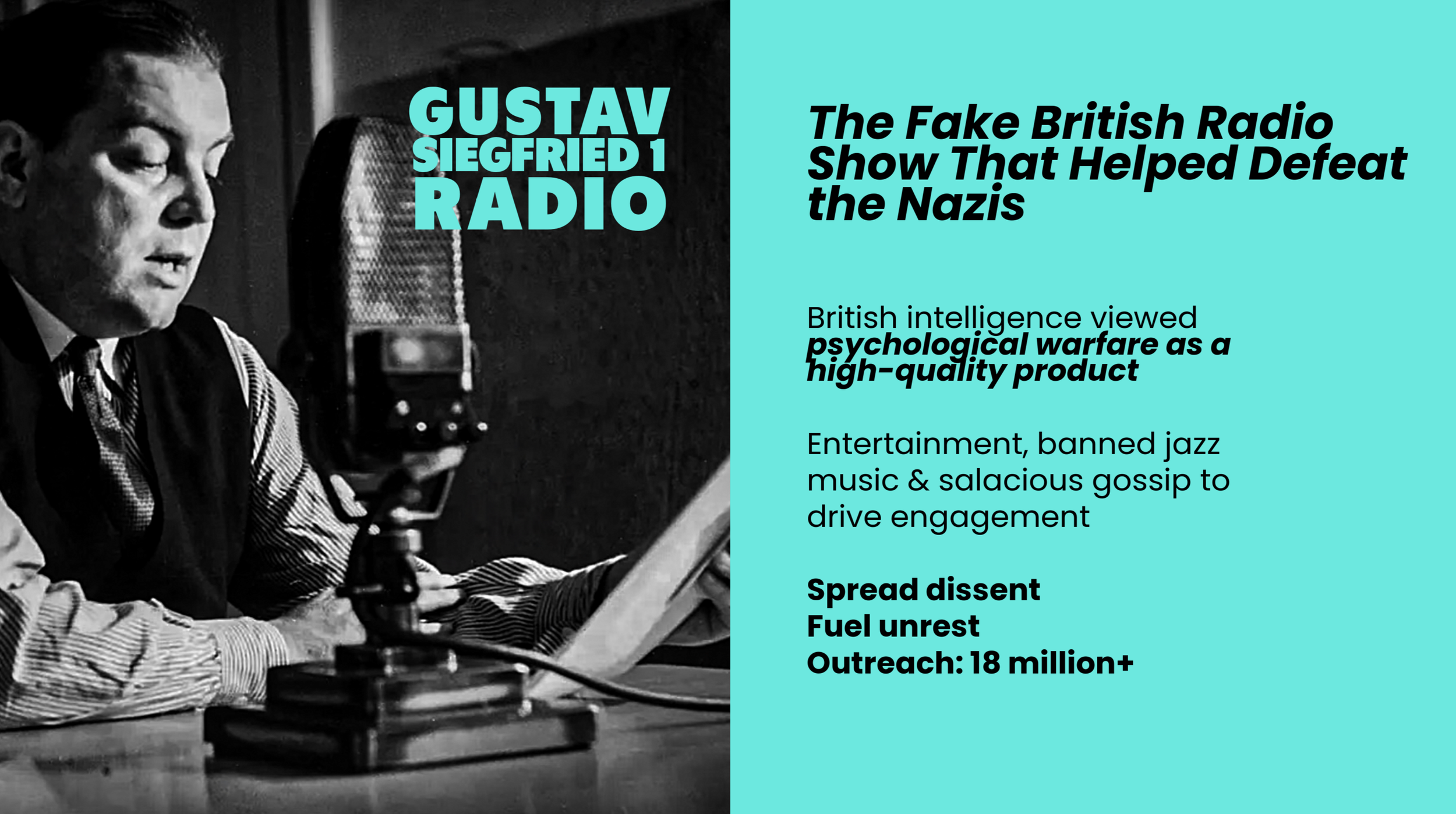
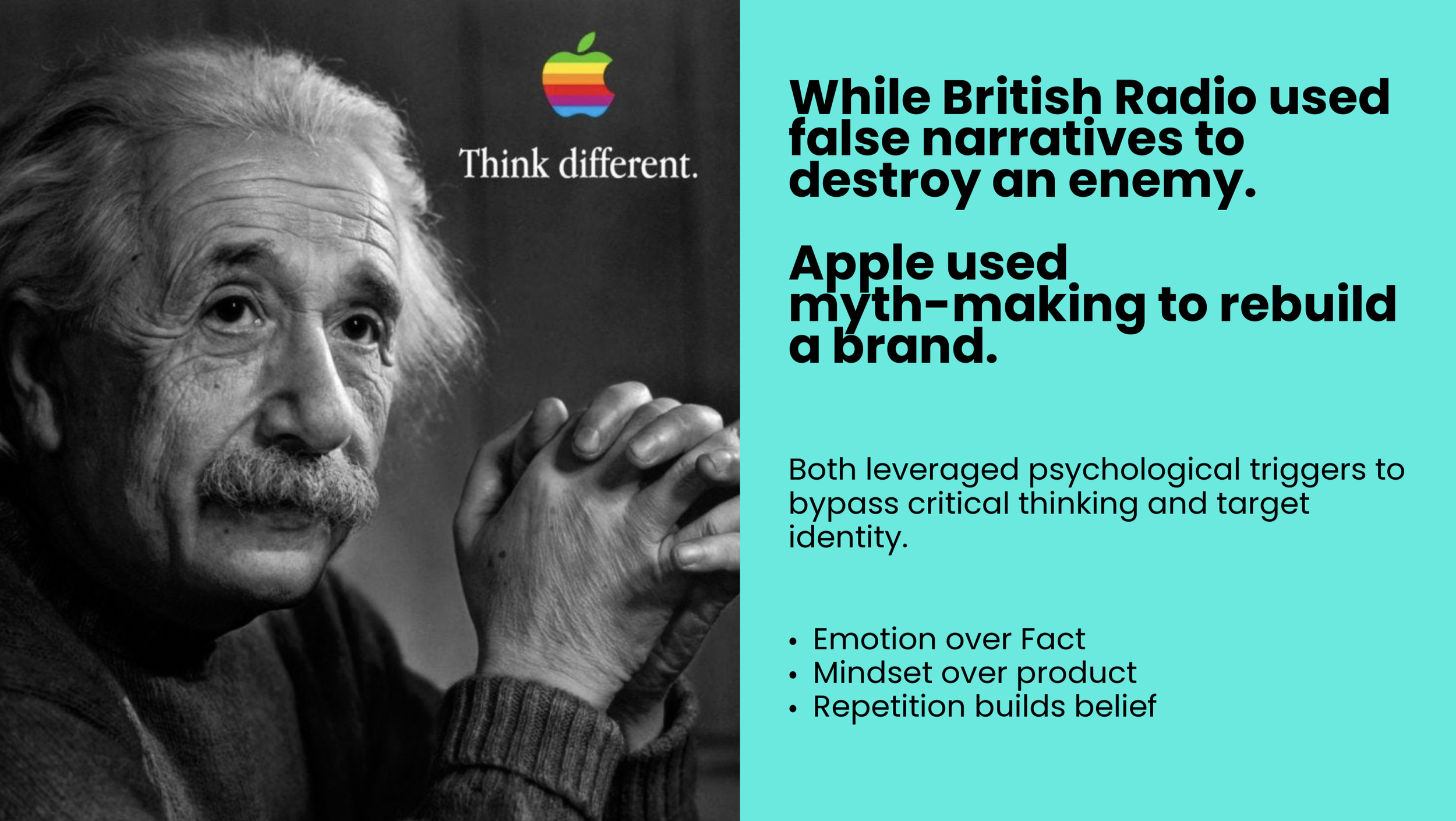
FALSE NARRATIVE CAMPAIGNS IN HISTORY
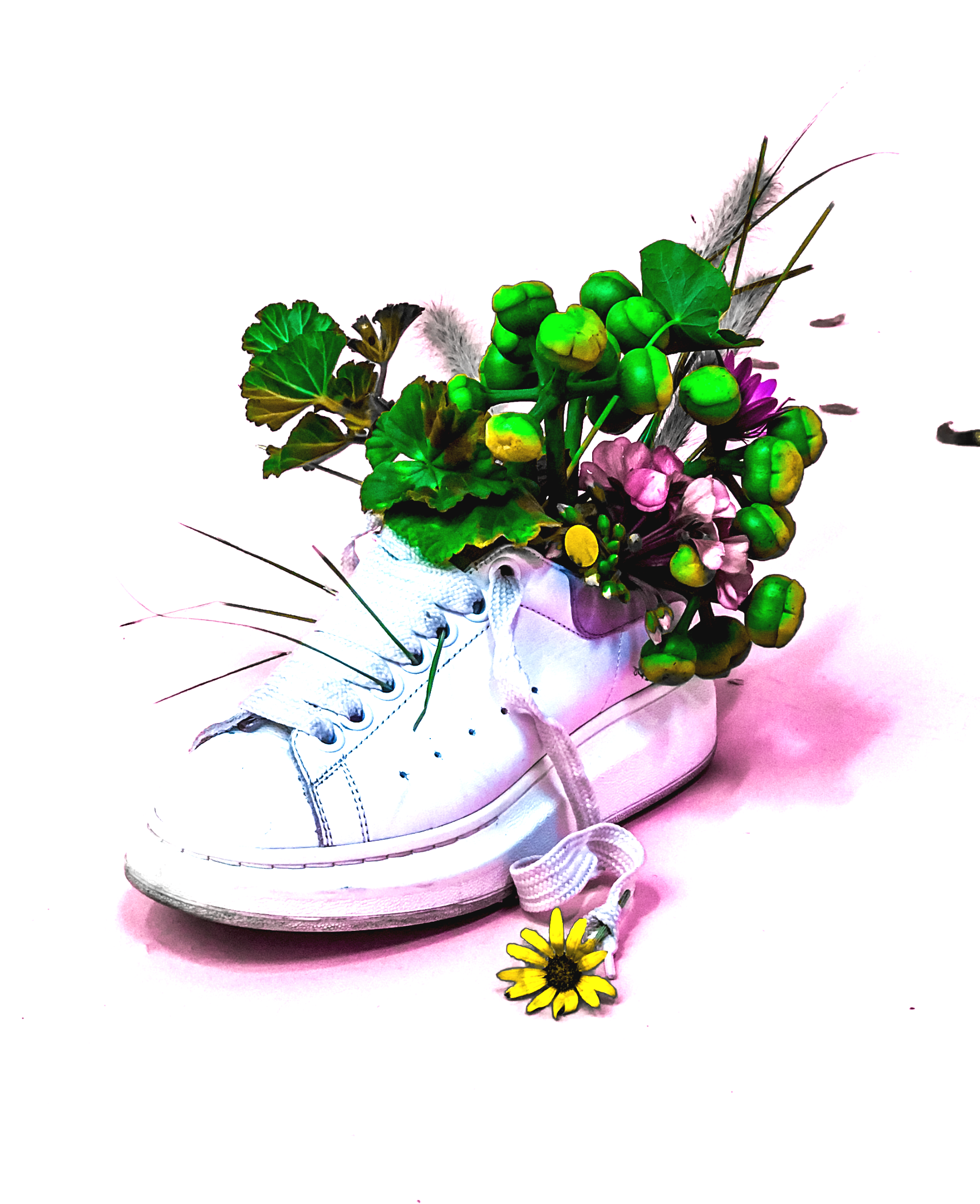
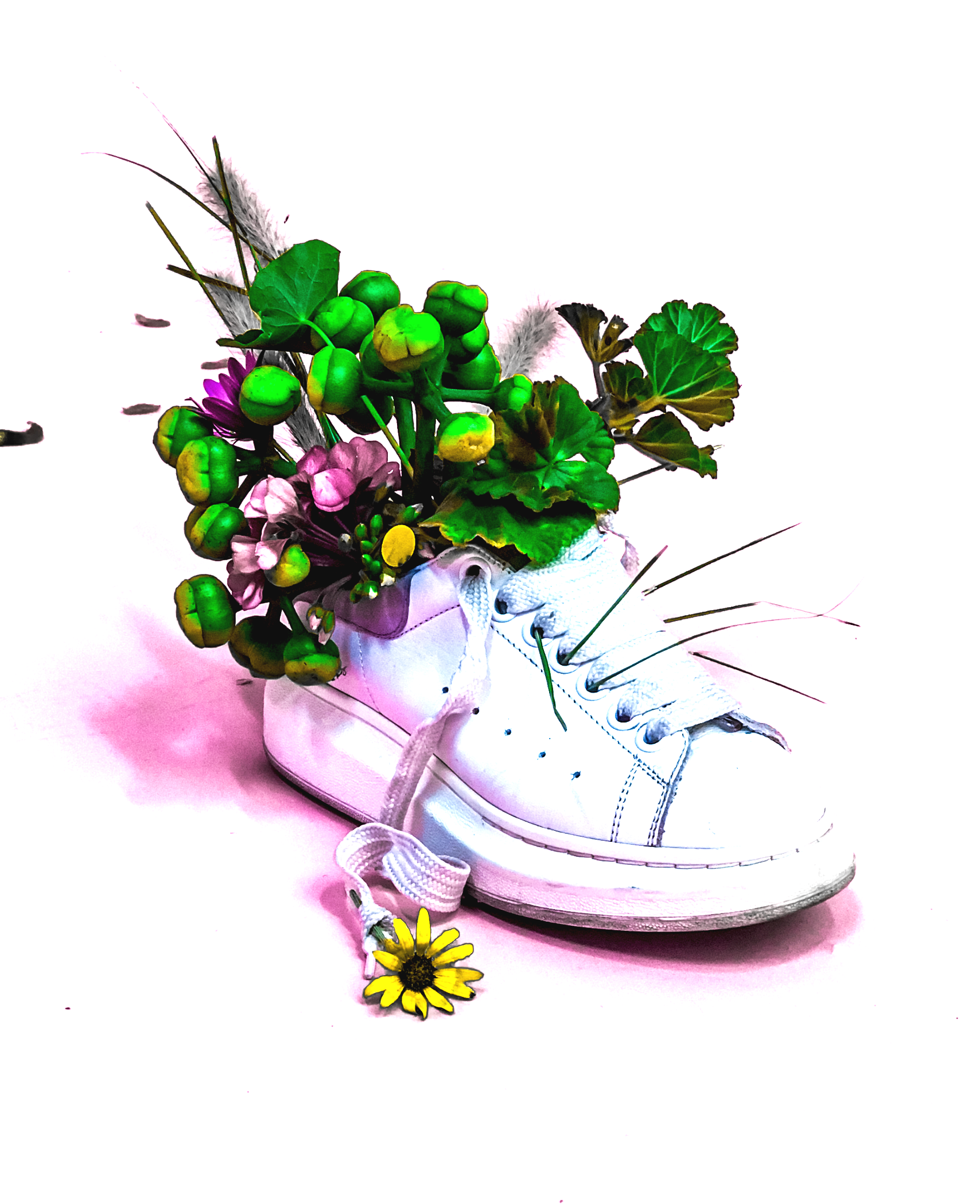
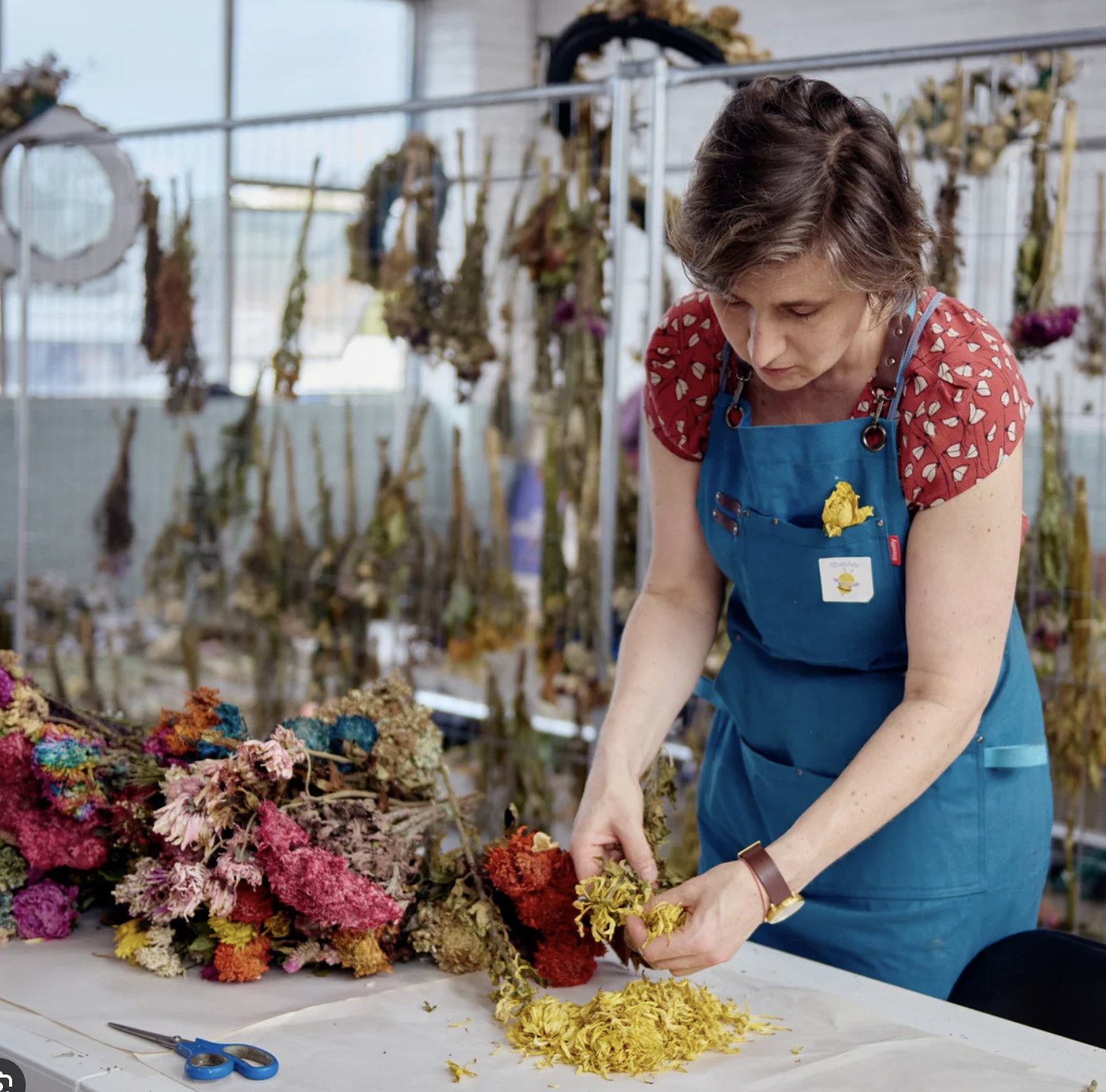
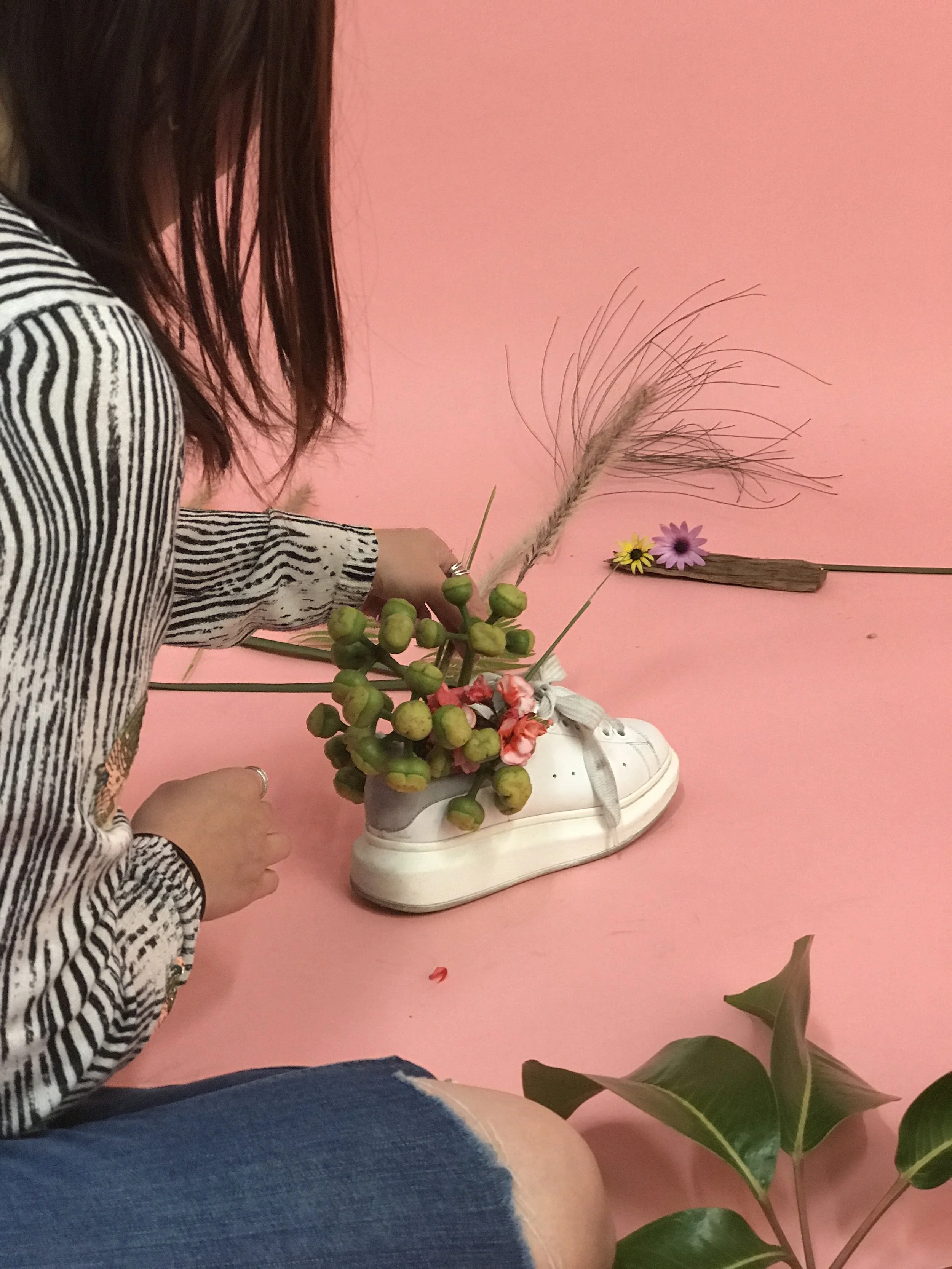
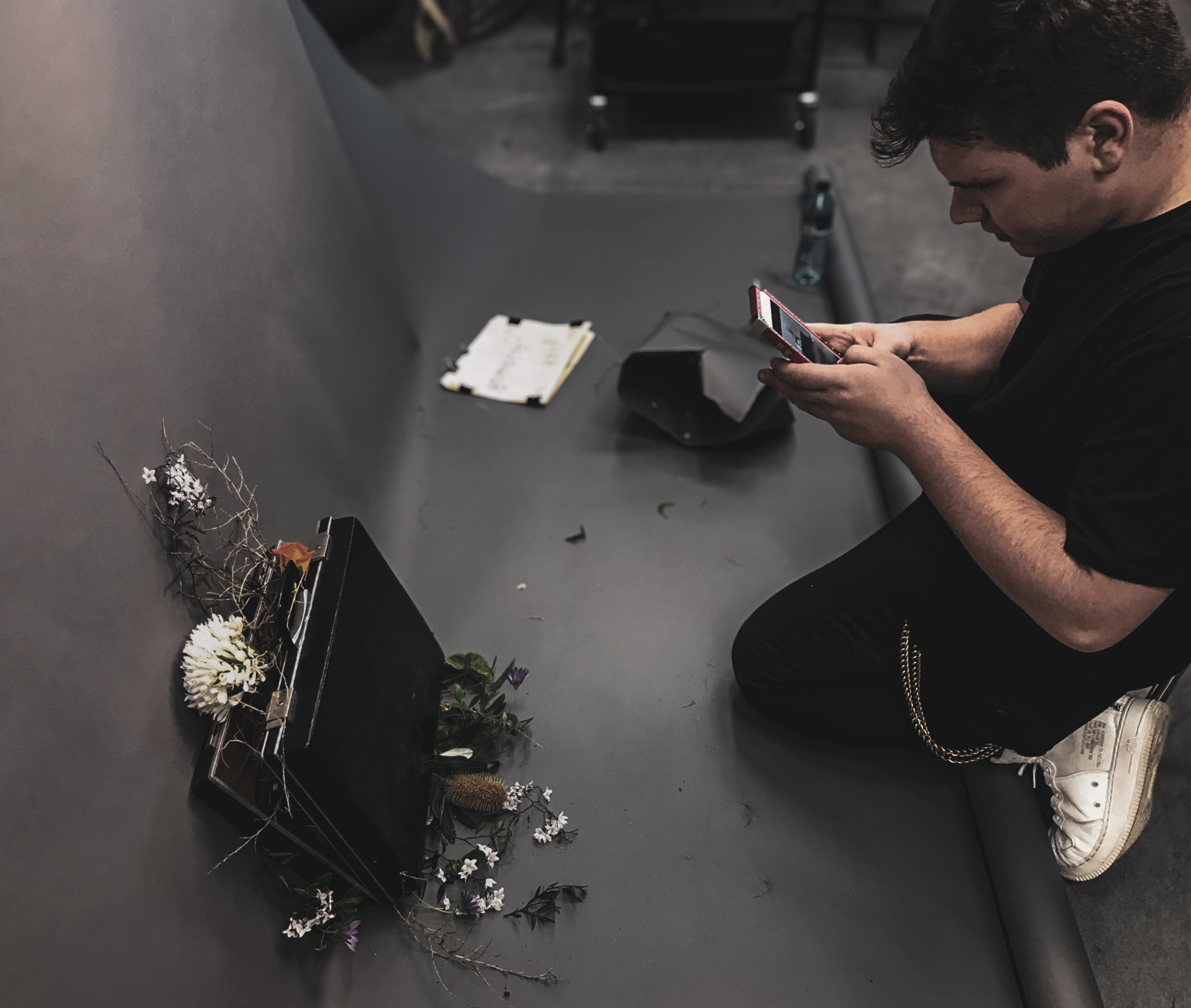
WITHOUT SOIL, SUNLIGHT OR WATER
THE FLOWERS APPEAR TO BE THRIVING
BUT THEY ARE ALREADY DYING

APPENDIX
EDUCATORS TEACHERS RESOURCE
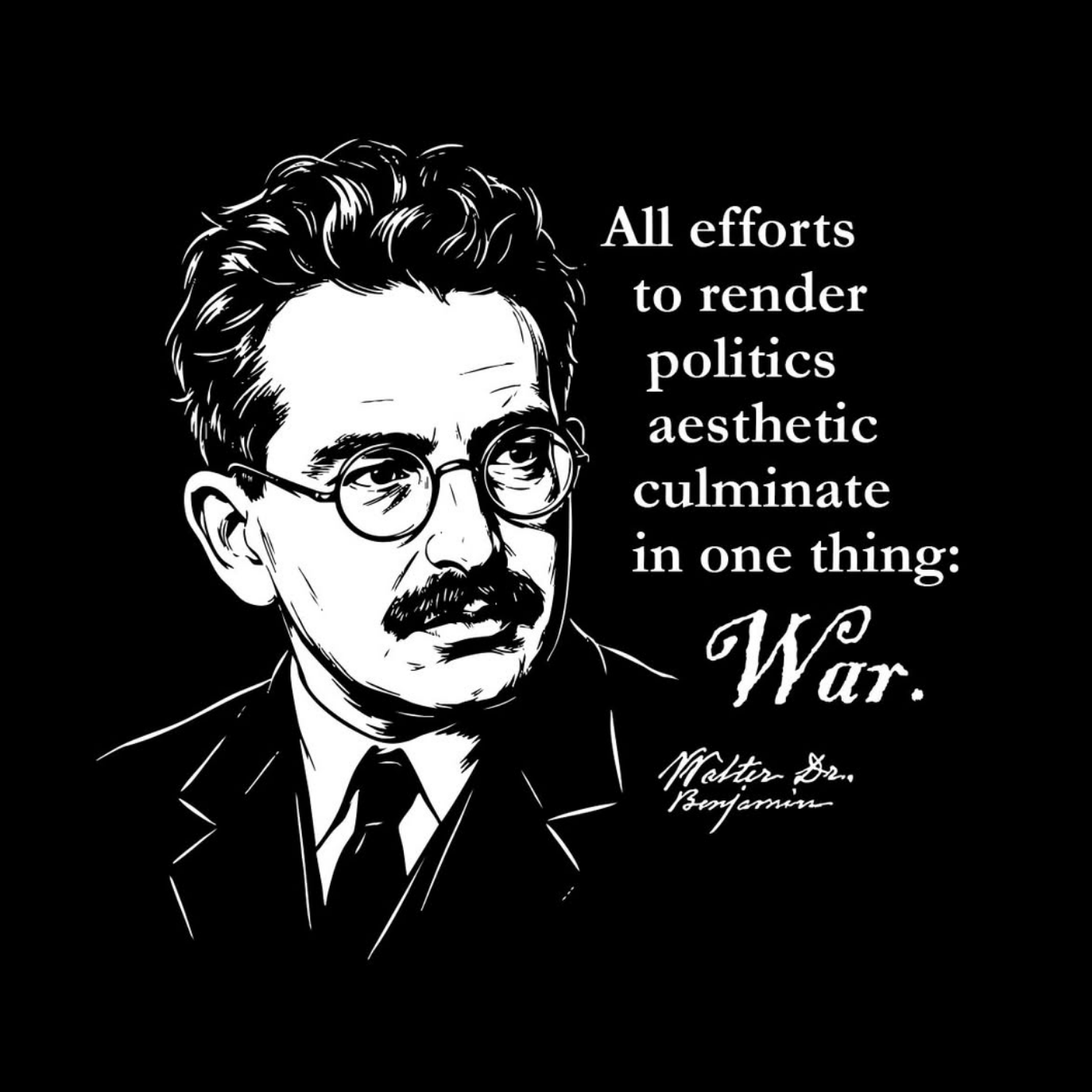
Drawing on Walter Benjamin’s analysis of the aestheticisation of politics, this framework supports the identification of escalation signals and early warning indicators.
This pilot aims to advance a preventative model comprising three integrated components:
Mechanical MEDIA Literacy
Develop technical competencies to deconstruct manipulated media, identify aesthetic framing strategies
Early Intervention
Equip students to recognise pathways of online radicalisation, including early-stage indicators
Social Infrastructure Development
Strengthen school community as informed, analytical environments
Recommended TEXT FOR SECONDARY SCHOOLS
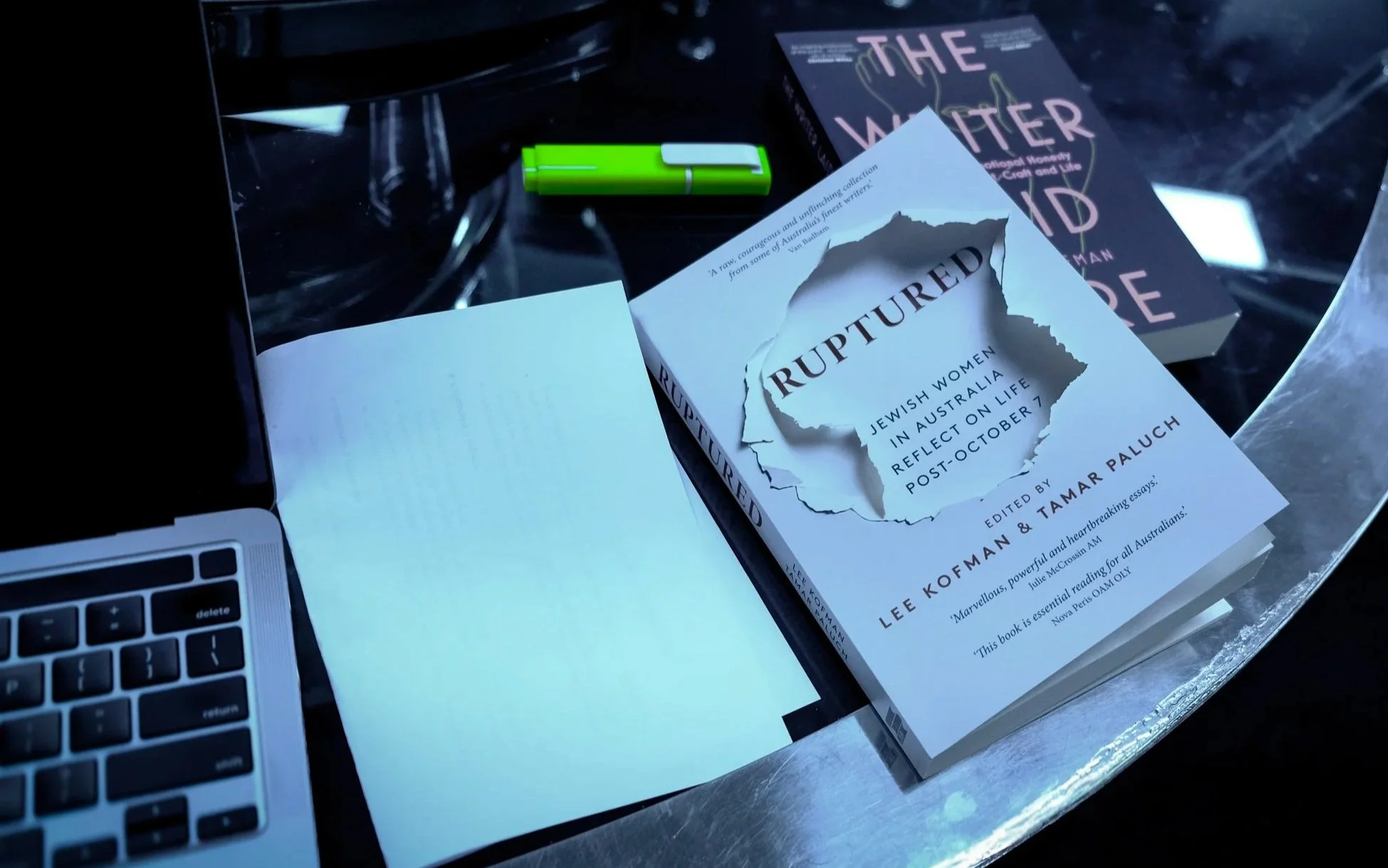
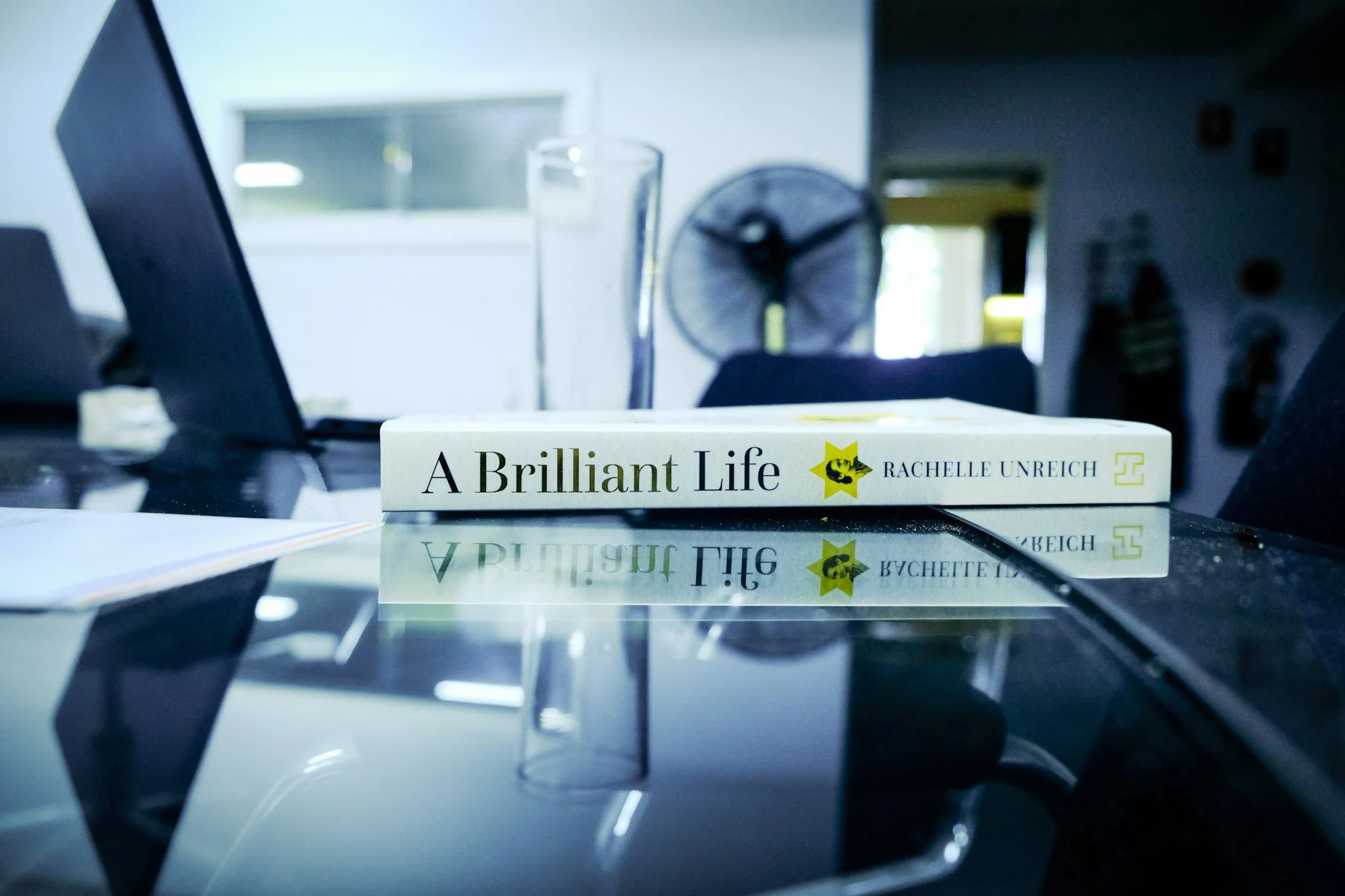
A Brilliant Life by Rachelle Unreich: A daughter’s portrait of Melbourne Holocaust survivor Mira Unreich, highlighting extraordinary resilience and enduring belief in human goodness despite systemic exclusion.
Ruptured edited by Lee Kofman and Tamar Paluch: An essay collection featuring Australian voices (Kylie Moore-Gilbert, Deborah Conway, Kerri Sackville) documenting how October 7 irrevocably altered lives and informing debates on social cohesion.
RUPTURED - Dr. Lee Kofman & Tamar Paluch
Senior Secondary (Year 10–12) or staff professional development
A BRILLIANT LIFE - Rachelle Unreich
Junior Secondary (Year 7 - 10) or staff professional development
Pilot Facilitators
Photography and Media Literacy
Belle Stewart & Ramak Bamzar
Methodology
Modelled on the 2017–2019 RMIT University framework.
Focus
Students utilise photography and critical media literacy to decode professional marketing and visual persuasion strategies. This develops a cognitive defence against groupthink and the algorithmic pressures of digital media.
Wellness Strategy and Narrative Analysis
Eva Migdal
Methodology
Identity and Propaganda Deconstruction.
Focus
Students identify, analyse, and articulate how language and imagery are used to construct and reinforce propaganda across historical and contemporary contexts. This provides the social-emotional scaffolding required for informed, constructive engagement within community settings.
Street Epistemology and Literary Inquiry
Dr Lee Kofman
Methodology
Socratic inquiry and epistemic humility.
Focus
Utilising Street Epistemology—a conversational method grounded in the Socratic tradition—students examine the reliability of their own belief-forming processes. This reframes classroom dynamics from emotional reactivity to structured, critical inquiry.
FURTHER EDUCATOR RESOURCES
Today antisemitic activity in Australia has reached unprecedented and severe levels, solidifying a new, higher baseline for communal hostility. Data from the Executive Council of Australian Jewry (ECAJ) and other security monitoring bodies confirms that the period between October 2024 and September 2025 saw the following trends:
Incident Volume and Spikes
Total Incidents: There were 1,654 reported anti-Jewish incidents in this 12-month window. While this was a slight decrease from the absolute peak of the year prior (2,062 incidents), it remained triple the rate of the decade average before 2023.
Persistent Threat: The volume established what researchers call an elevated plateau, where the daily frequency of harassment, graffiti, and abuse became a constant reality for the community.
Escalation to Physical Violence and Arson
The most critical shift in late 2024 and throughout 2025 was the move toward more destructive and lethal forms of antisemitism:
Arson and Vandalism: This year saw the highest number of arson and vandalism attacks on record (33 cases).
Bondi Beach Terror Attack (December 2025): While just outside the October cutoff, the climate leading up to this was defined by the first fatal antisemitic terror attack in Australian history, where gunmen killed 15 people at a Hanukkah celebration in Sydney.
State-Linked Targets: In August 2025, the federal government and ASIO confirmed a positive link between several arson attacks (such as the firebombing of the Adass Israel Synagogue) and the Iranian regime, noting that targets were specifically selected for their Jewish associations.
Institutional and Systemic Shifts
Educational Institutions: Reports from early 2026 indicate that racism became deeply embedded within schools and universities during the 2025 cycle. Only 6% of victims filed formal complaints, indicating a severe breakdown in institutional trust.
Generational Gap:
By late 2025, public sentiment surveys (such as the ADL Global 100 Index) found that 50% of Australians aged 18–35 held heightened antisemitic views—the highest proportion of any demographic and a significant increase over older generations.
Critical Intervention
Australia’s education system has moved beyond simple awareness and into a phase of active intervention.
Antisemitism Education Taskforce: Chaired by David Gonski AC, this taskforce is currently developing the Social Cohesion Hub, launching in June 2026, to provide teachers with resources and specific skills to intervene when they witness hate.
The Big Picture
In 2026, the Australian social contract is being tested within the classroom. Traditional anti-bullying policies are structurally inadequate against the sophisticated methods of online influence. Schools must now choose between being passive victims of algorithmic hostility or becoming fortified hubs of social resilience.
Photography as a Tool of Deception
Roland Barthes observed that a photograph says this was — not this was true. The camera records without interpreting, which means the interpretation is supplied entirely by context: caption, crop, placement, sequence. Remove the context and you can make any image mean almost anything.
Susan Sontag argued that photographic images of suffering do not build empathy — they exhaust it. The image substitutes for understanding rather than producing it. We see, we feel briefly, we scroll. Social media has perfected this mechanism. The infinite scroll of images simulates witness while producing numbness — which is precisely the condition in which propaganda thrives.
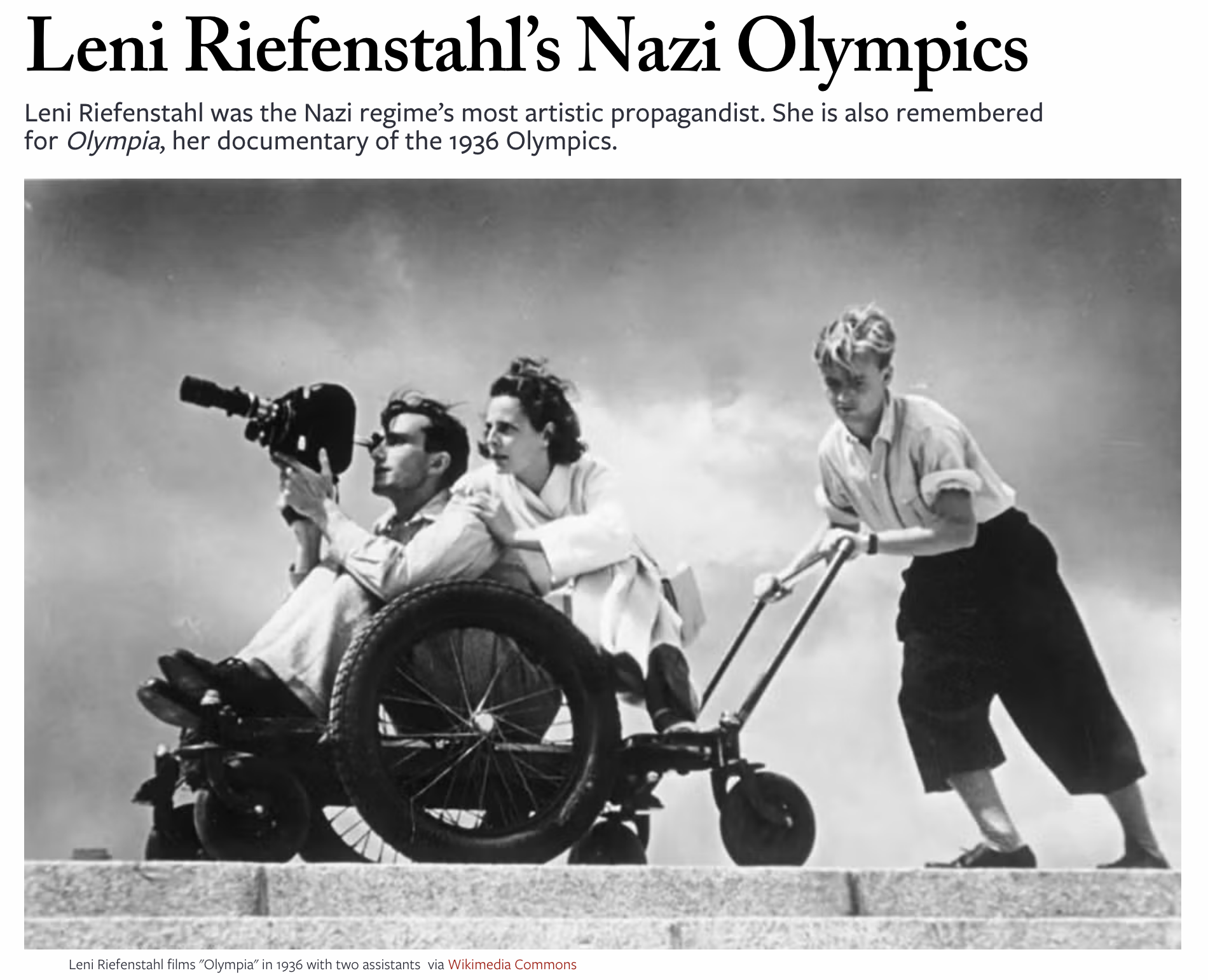
Leni Riefenstahl's Triumph of the Will (1935) remains the definitive demonstration of what happens when aesthetic beauty is weaponised as moral argument. The film is cinematically extraordinary — its use of light, mass movement and scale is genuinely powerful — and it is in service of extermination. The beauty was not incidental. It was the case. The film said: this movement is sublime, therefore it is right. Pleasure was made to function as persuasion.
Key references
Roland Barthes — Camera Lucida (1980)
Susan Sontag — On Photography (1977) and Regarding the Pain of Others (2003)
Leni Riefenstahl — Triumph of the Will (1935, dir.)
Jacques Ellul — Propaganda: The Formation of Men's Attitudes (1965)
Errol Morris — Believing is Seeing: Observations on the Mysteries of Photography (2011)
MIRRA Report — Antisemitism in the Cultural and Creative Industries (Monash ACJC, 2024)
Glossary of Terms
1. The Beautiful Lie | Aesthetic Propaganda
The act of using high production value—lighting, filters, and selective framing—to mask an unsustainable or terminal reality.
2. The Crop | Selective Framing
A tactical decision of what to exclude from the frame. The Crop is the primary tool of misinformation. By removing context—the root system—an image of distress can be reframed as an image of aggression, or vice versa.
3. Doxa vs. Epistēmē
Doxa: Common belief or opinion that is accepted without questioning. An example is seeing a hateful symbol on a desk and dismissing it as just a prank.
Epistēmē: Justified true belief or knowledge. This is the transition from feeling that something is wrong to knowing the systemic history and harm it represents.
4. Street Epistemology
A conversational technique based on the Socratic method. Instead of telling someone they are wrong, which triggers defensiveness, students learn to ask: What is the method you used to arrive at that conclusion, and is that method reliable?
5. The P.O.E.T. Protocol
The core diagnostic tool for digital literacy:
P – Pause: Stop the emotional reaction triggered by the image.
O – Outcome: Identify what the creator wants you to feel or do.
E – Evidence: Look for what is missing from the frame such as water, roots, or context.
T – Test: Ask: If this same technique was used by someone I disagreed with, would I still believe it?
6. Peaceful Agency
The ability to remain logically grounded and ethically active in a polarised environment. It is the transition from being a passive consumer of media to an active architect of school culture.
7. Upstander Vocabulary
A specific set of scripts and terms students use to intervene in real time. This replaces generic anti-bullying phrases with precise language to identify dog whistles, coded propaganda, and dehumanisation.
8. Irrational or Hostile Vessel
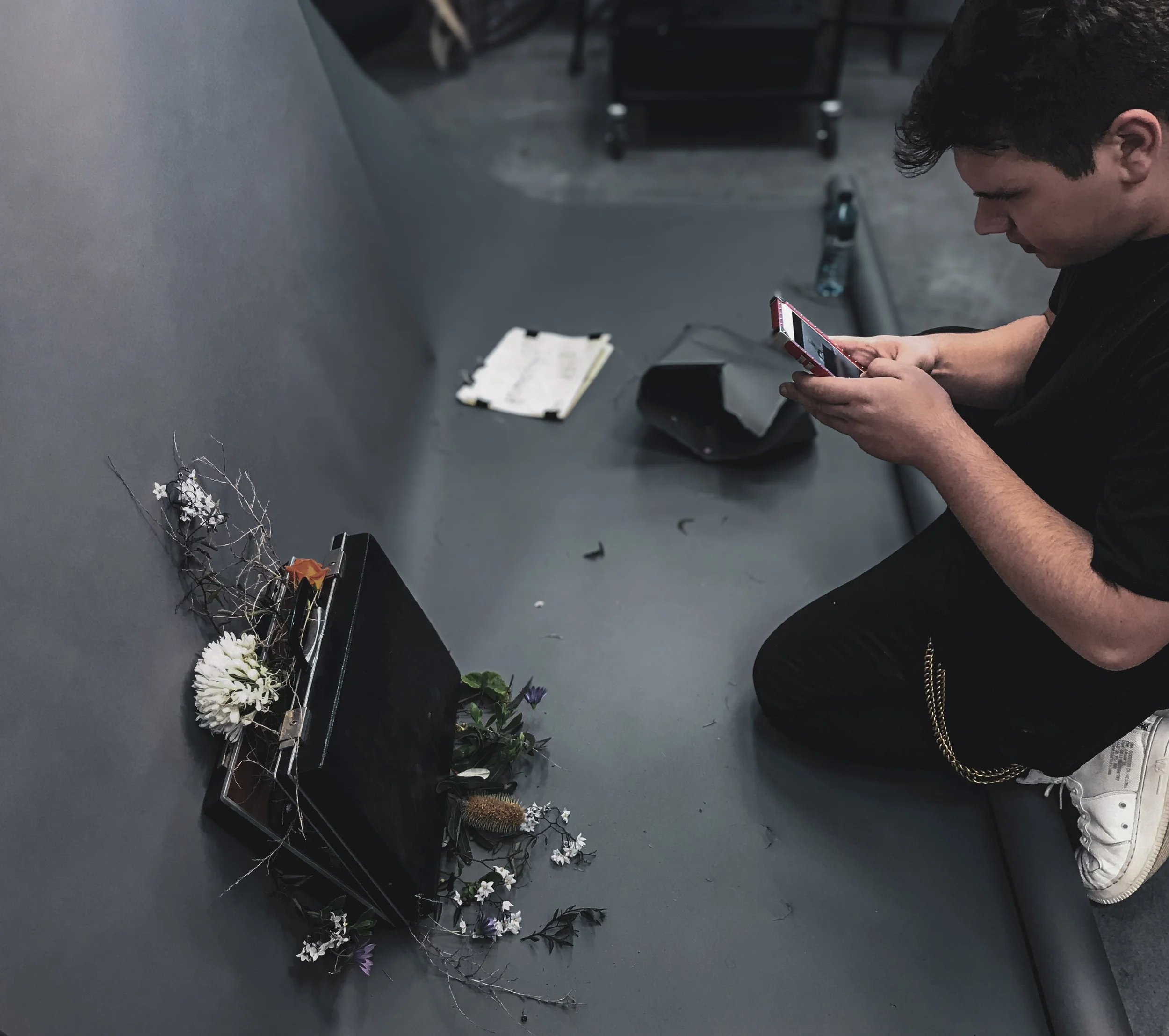
A metaphor for environments that cannot support life, such as a shoe, a briefcase, or a digital echo chamber. It represents the structural reality that is often hidden beneath the aesthetic glow of a polished media post.
Provisions Included
Specialist Team: Delivery by three high-level practitioners - Belle Stewart, Eva Migdal and Lee Kofman (with guest artists from Jewish cancelled cohort) .
Pedagogical Framework: A multidisciplinary curriculum based on Belle Stewart’s RMIT 'The Beauty Myth' program, adapted for secondary students to build critical thinking and communication skills.
Research & Development: Access to a framework developed over 18 months specifically to address social cohesion and combat antisemitism in the current Australian 'intervention phase'.
2. The 'Upstander’s Tool-Kit’
Foundational Texts: Physical copies of either Ruptured or A Brilliant Life
Propaganda Workbook: Eva Migdal’s specialised Wellness Workbook - wellness mindset strategies for decoding visual, social media and peer misinformation.
Creative Supplies: High-quality materials for journaling, poetry, and reflective practice, including coloured pencils, felt tips and adhesive tape.
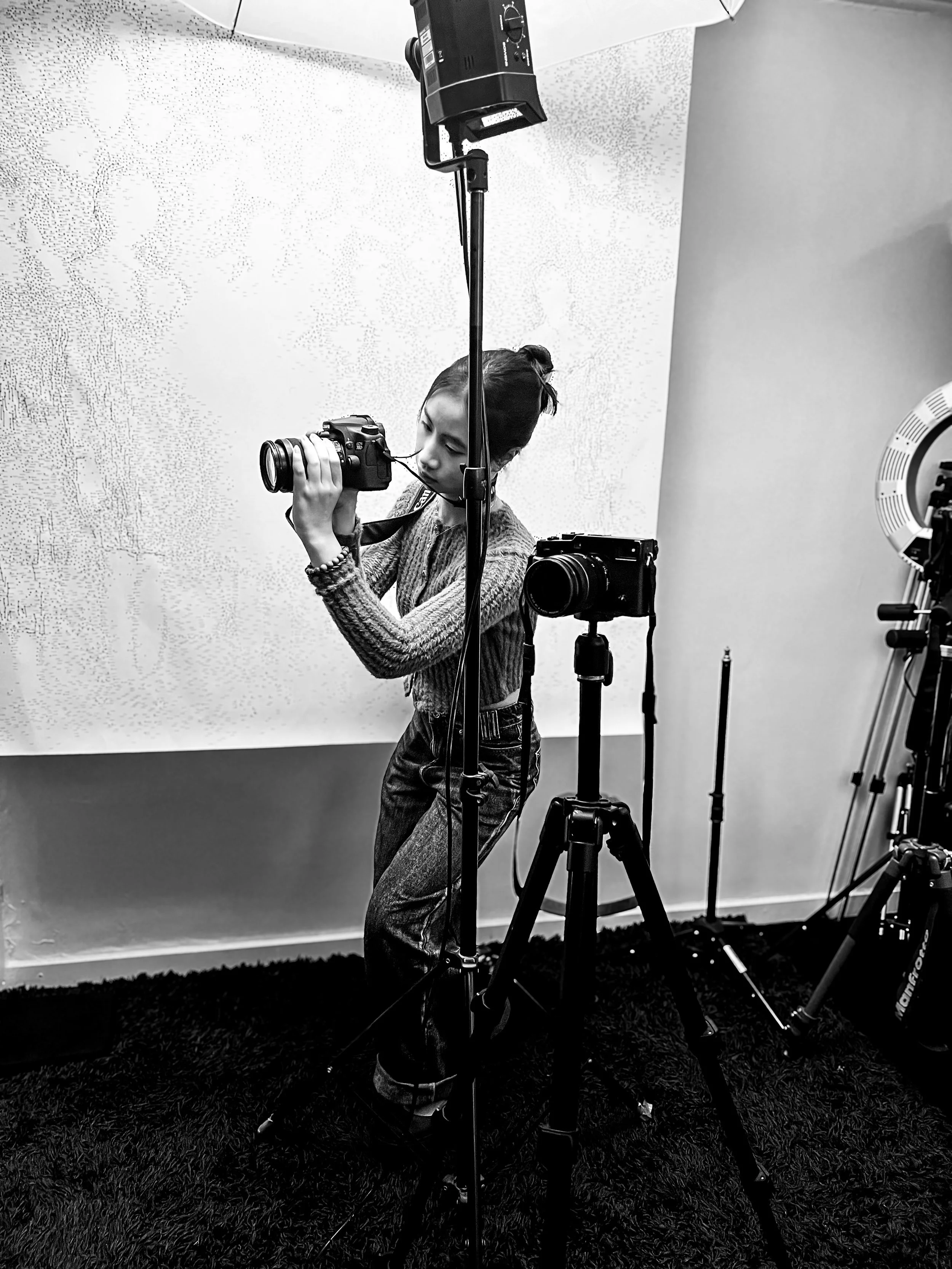
3. Mobile Media & Production Studio
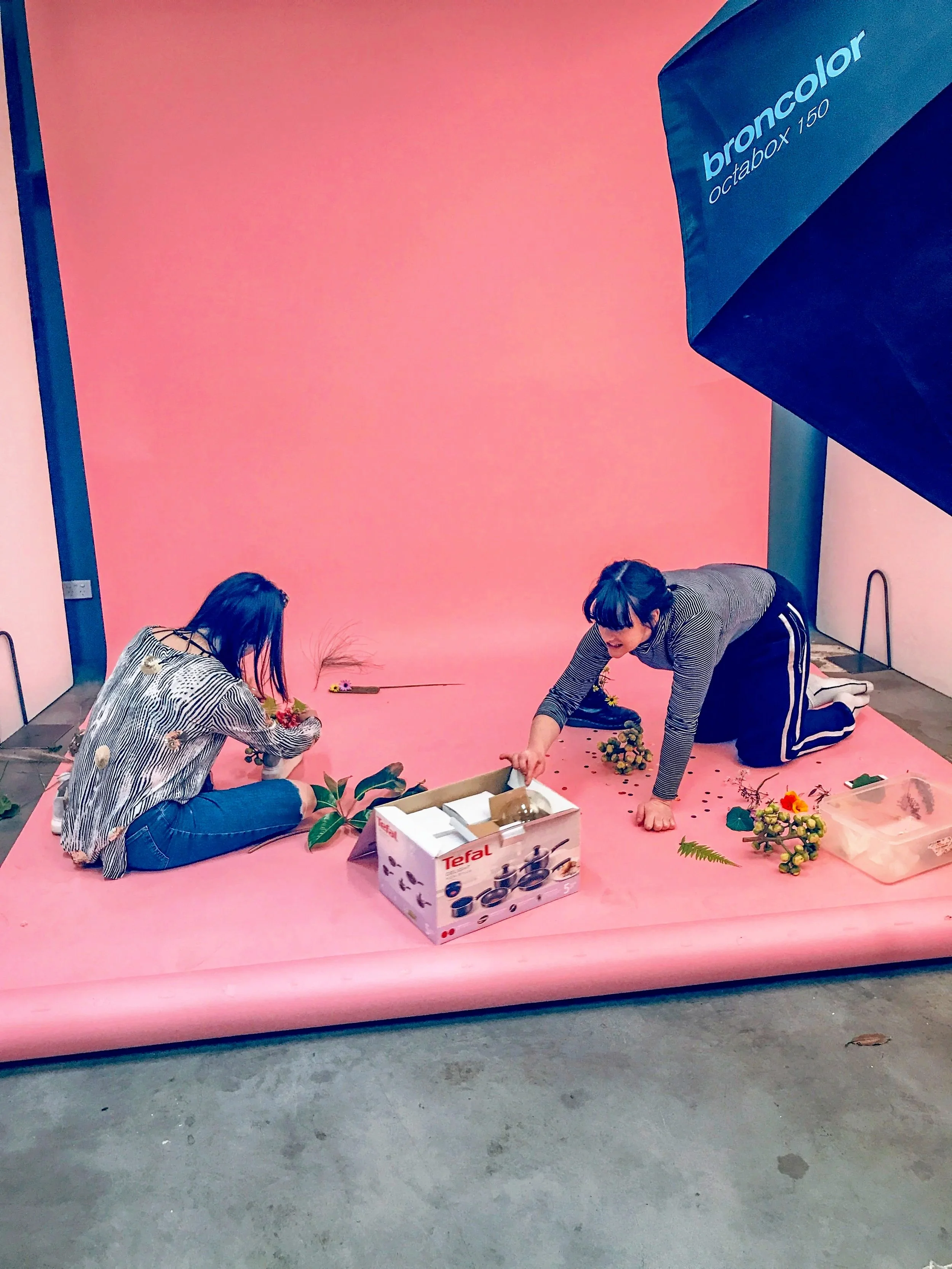
Professional Lighting: Full studio lighting kits
Cinematic Backdrops: A suite of professional coloured backdrops
Ancillary Hardware: Props & Backup vessels (shoes, briefcases, tins)
4. Content & Immersive Resources
Film & Media: Exclusive access to a 20-minute immersive preamble & short film (for schools not opting for the MJHM site visit) to anchor historical context.
Supervised Foraging: Guided facilitation of the campus 'forage,' ensuring student agency is exercised safely within school grounds.
Socratic Inquiry Resources: Facilitator-led 'Street Epistemology - Poet’ sessions, developed 'Upstander Vocabulary' for real-time intervention
Education Provider Requirements
Space: A standard classroom or studio space that can be darkened for film screening/lighting setup.
AV: A screen and projector for the 'Stage 0' preamble.
Devices: Student mobile phones or school digital cameras.
Post Production - Adobe Express or PhotoShop
The 'Vessel': Students are briefed to bring their own 'irrational' vessel (e.g., a shoe or briefcase) as part of their pre-workshop engagement.